Posts in Best Practices
Smart Tips & Strategies for a High-Impact Virtual Golf Fundraiser
 

by Jen Wemhoff, Communications Manager at GolfStatus

Traditional golf tournaments are ideal fundraisers and a proven way to raise serious funds. But for nonprofits with a dispersed donor and supporter base, it can be challenging to rally local support. Other nonprofits may be limited by course availability in their area or have concerns about unpredictable weather with a traditional golf fundraiser.

A virtual golf fundraiser is a smart, viable alternative to an in-person event. With low risk and broad reach, a virtual format allows you to engage supporters—and expand your donor base—from anywhere without the logistical concerns of a single-location event.

This guide will cover how to structure, monetize, and execute a successful virtual golf tournament fundraiser to maximize impact.

Table of Contents


Virtual Golf Tournament FAQs

What is a Virtual Golf Fundraiser?

Essentially, it’s a decentralized tournament where participants play a round at a local golf course (or even a simulator) on their own schedule. Instead of golfers gathering at a single golf facility on a single day, your supporters can participate from anywhere during a designated time period and still compete together in a unified event.

Much like traditional golf fundraisers, virtual events generate revenue through:

  • Golfer registration fees (though they’ll still need to pay green and cart fees at their chosen golf facility)

  • Sponsorships

  • Donations

Virtual events are also well-suited to a peer-to-peer fundraising element, with a format that blends the competitive fun of golf with the accessibility of online fundraising.

A female golfer submits her score as part of a virtual golf fundraiser.

Virtual golf events have the potential to reach a broad audience, especially if your supporter base isn’t localized.

What Are Some Virtual Golf Fundraiser Formats?

There’s no one-size-fits-all approach to a virtual event, so be flexible and tailor it to your audience. Here are a few common formats:

  1. "Play-anywhere" multi-day format. Your organization chooses a date range (such as a week or weekend), and golfers play a round at a course, day, and time of their choosing. This is the most accessible and scalable option for a virtual event.

  2. Hybrid format. This combines an in-person event with a virtual component. Local golfers attend your in-person tournament, while out-of-town supporters compete remotely at the same time. A hybrid event offers the networking and camaraderie of a traditional golf tournament with the accessibility and reach of a virtual tournament.

  3. Indoor simulator format. Partner with simulator venues like TopGolf or X-Golf to host synchronized, weather-proof, indoor events. This option can be perfect for winter fundraising in urban audiences.

What Are the Benefits of Hosting a Virtual Golf Fundraiser?

A virtual golf fundraiser offers several key advantages that can translate into higher fundraising outcomes:

  • Broad reach. No geographic limits means golfers can join from anywhere, increasing participation.

  • Reduced overhead costs. Because you’re not renting a golf facility or providing food and beverage, there are next to no costs associated with venue rental, catering, and on-site staffing.

  • Flexibility. With some virtual tournament formats, golfers can play when it fits their schedule, making it easier for busy supporters to participate.

  • Digital engagement. Use technology and social media to create a fun, interactive, and shareable event experience that keeps golfers connected.

  • Weather-proof. A virtual event eliminates the risk of cancellation, the need to reschedule, or low turnout due to inclement weather.

When is the Best Time to Host a Virtual Golf Fundraiser?

Virtual events can be held year-round, and the flexibility of a virtual format means you can align the event with your broader fundraising calendar.

Want to engage donors during the offseason? Consider a winter simulator event. Looking to build momentum before Giving Tuesday? Try a multi-day virtual tournament in early fall. Want to engage remote supporters in tandem with your annual in-person golf fundraiser? Add a hybrid virtual component.

Best Practices for Planning & Execution

A successful virtual golf event requires the right systems and structure to make it feel polished and professional, along with effective communication strategies to make it feel cohesive.

  • Leverage golf-specific software. An event management platform is a must-have for an in-person golf event, and a virtual setup makes it even more important. Trying to manage a virtual tournament relying on spreadsheets or standard ticketing software is a recipe for disorganization and confusion. Golf event tech ensures a seamless experience for everyone, plus massive time savings for organizers.

  • Maximize passive data capture. One of the biggest missed opportunities in any type of golf tournament is limited data collection. With paper registration forms, one team member registers, leaving you without contact information for the rest of the golfers. Online registration eliminates this hurdle, capturing email addresses for every participant so you can build a stronger donor database and improve marketing and fundraising efforts.

  • Negotiate partnerships with golf facilities. In areas where your organization has a strong donor presence, you might work with a handful of golf facilities to negotiate discounted rates and fees for tournament participants. These “preferred virtual courses” benefit from more players, more food and beverage sales, and more exposure to guests. What’s more, having standardized courses can offer better consistency in scoring (though it’s not necessary).

  • Outline clear rules. Clarity is everything in a virtual setting. Without it, confusion and disputes can derail your event. To keep things running smoothly, define and communicate the following at the outset of the tournament:

    • Tournament format, whether it’s a four-person scramble, individual stroke play, two-man best ball, etc.

    • Scoring. Explain how scores are to be submitted, what app needs to be downloaded and used, and where participants can access the leaderboards. The mobile app should integrate into your golf event management platform.

    • Equipment/technology requirements. If yours is a golf simulator event, specify the necessary golf simulator requirements to participate.

    • Eligible facilities. Outline the requirements of the facility, such as the course’s par, slope rating, number of holes, etc., to help level the playing field. If you are working with preferred courses or a specific simulator franchise, be sure to

    • Timeframe. Set the start and end dates/times for the virtual tournament.

    • Code of conduct. Make expectations for sportsmanship and fair play as clear as possible.
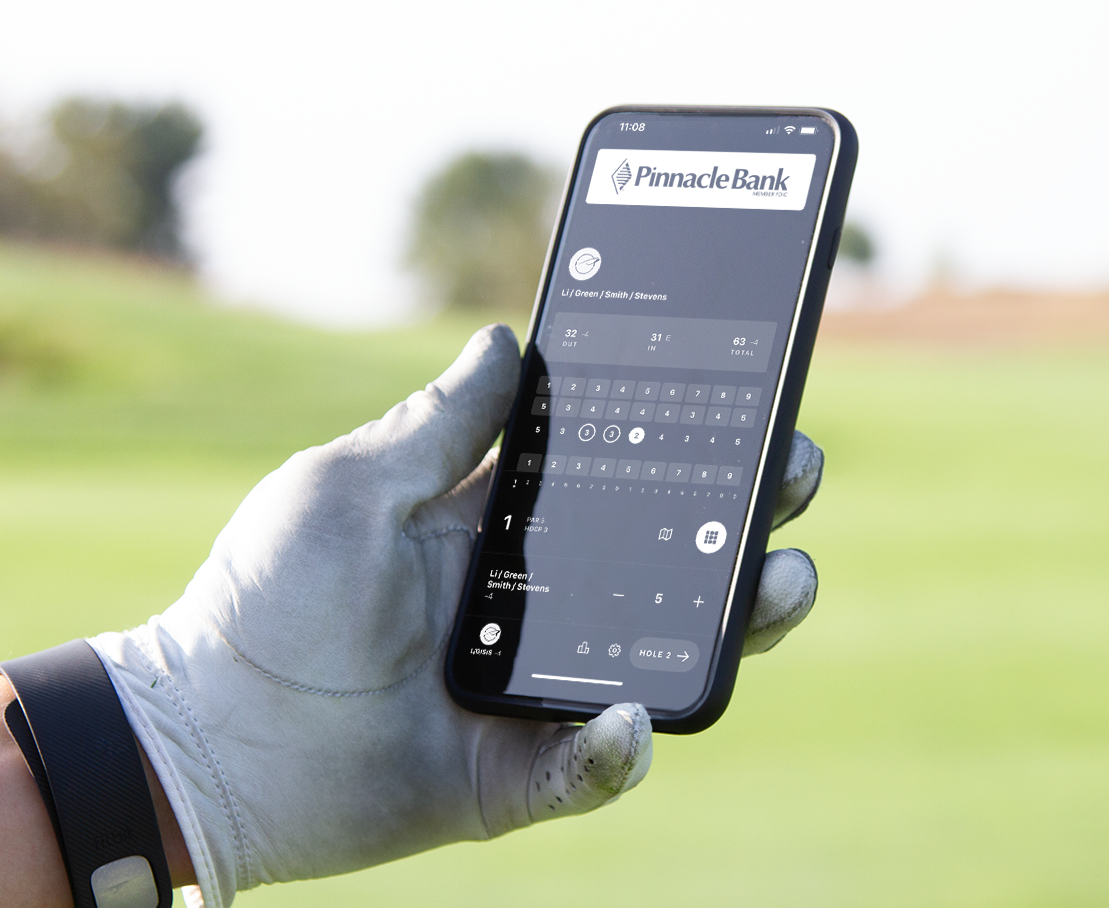
A smartphone displays a mobile scorecard for a virtual golf fundraiser.

It’s important to explain to virtual golf event participants how scores will be submitted and where they can access the leaderboards.

Creative Ideas to Maximize Virtual Golf Engagement & Revenue

One challenge of virtual tournaments is keeping participants engaged from afar. Creating shared experiences can keep golfers connected and even boost revenue.

  • Sell digital add-ons. Digital add-ons are low or no-cost to your tournament. These might include virtual mulligans, an online silent auction, entries into virtual on-course games, or a virtual raffle drawing.

  • Solicit themed donations. Boost fundraising by setting up themed donation tiers. Get creative and offer fun donation options like "Bogey Insurance" or "Take a Virtual Shot."

  • Drive social media interaction. Encourage participants to share their experience and keep everyone feeling connected with user-generated content. This could include a branded event hashtag, trick shot video contests, or photo challenges from each golf course.

  • Involve club pros or other special guests. Invite the golf pro at a local golf club, a local celebrity, or even a well-known supporter to record a welcome video or motivational message that’s shared on the tournament website or sent directly to golfers. This personal touch adds credibility and builds excitement for your event.

  • Host virtual opening and/or closing ceremonies. Create bookends for your tournament with live virtual events. Open the event with a welcome message, sponsor recognition, and an event overview. Wrap up the tournament by announcing winners, drawing raffle prizes, and publicly thanking sponsors, volunteers, and golfers.

How to Sell and Fulfill Digital Sponsorships

Sponsorships are a major driver of revenue, even for virtual formats. The key is translating on-course visibility into digital exposure. Here are some ideas:

  • Use an event website. Digital sponsorships start with your golf tournament website, where you can list packages, sell sponsorships, and onboard sponsors in one place. Logo placements throughout the platform offer broad digital exposure every time someone visits the site to register or make a donation.

  • Digital leaderboard naming rights. Offer a title sponsorship for your virtual event’s live leaderboard. To provide maximum exposure, include the sponsor’s name: The [Sponsor] Live Leaderboard or the Live Leaderboard Presented by [Sponsor].

  • Push-notification sponsorships. Sell the ability to send push notifications through your live scoring app to all golfers during their round. Messages could include promotions for their business, simple sponsor recognition (“The back nine is sponsored by [Sponsor]), or even calls-to-action to donate on your event website.

  • Virtual hole sponsorships. Use your live scoring app’s hole-by-hole scorecard to assign sponsor logos and boost visibility. Highlight virtual hole sponsors further through email blasts, social media posts, and in-app messages.

  • Create a digital swag bag. Replace the traditional golfer gifts with a digital version that doesn’t require shipping. It could include valuable gifts like promo codes, discounts, and special offers from sponsors or other partners. Deliver it via email to golfers, giving sponsors direct access to your audience.
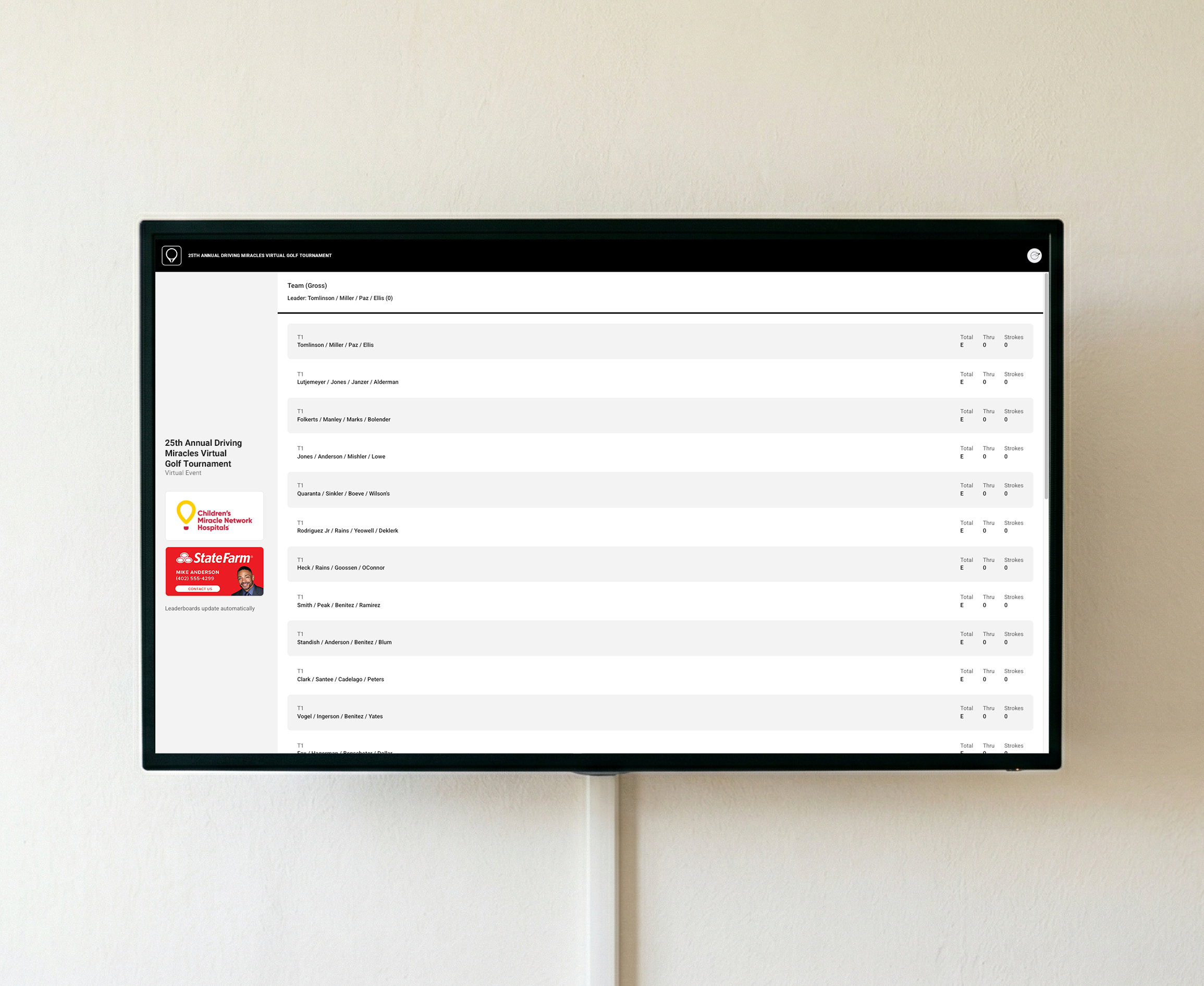
A virtual golf fundraiser live leaderboard is displayed on a screen.

Anyone, anywhere should be able to access the event’s virtual live leaderboards on your event website.

Wrapping Up

A well-executed virtual golf fundraiser can be just as impactful as a traditional golf event, or even more. With low costs, flexibility, and a broad reach, a virtual golf tournament is an opportunity to expand your audience while increasing your fundraising potential.

The key? Using golf-specific event management software lays the foundation for a successful virtual event, keeping your planning team organized and on the same page, providing a home base for decentralized participants, and offering digital sponsor exposure.

Pairing a strong event strategy with the right technology, setting clear expectations, and building engaging digital experiences will help you run a seamless virtual golf tournament fundraiser that delivers real results.

Start Planning a Virtual Golf Tournament With GolfStatus!

Click to Get Started at No Upfront Cost

About the Author

Jen Wemhoff accidentally discovered her passion for nonprofits in college. An internship while earning a degree in Communications from Doane University led to a 20 year career in the nonprofit sector, where she found a strong desire to be part of something bigger than herself. Her vast nonprofit experience includes roles in marketing, fundraising, and direct programming. When Jen came to GolfStatus as Communications Manager in 2020, she was struck by the power of the sport to raise money to power nonprofit missions. She tells GolfStatus’s story across platforms and channels and develops educational tools and resources to help nonprofits tap into golf’s giving power. Jen, her husband, and two daughters call Lincoln, Nebraska home.


6 Months to Tee Off: The Must-Do Tasks Before Your Golf Event
 

At six months out, your charity golf tournament should be moving from planning mode into action mode. The foundation is set, with your date, golf facility, and core structure in place, so now it’s time to build momentum.

Three men and one woman golfer pose on the green at a charity golf event.

Six months out from your golf event is the time to build momentum for recruiting teams, selling sponsorships, and promoting the tournament.

Things now start to get real—sponsor outreach begins, registration picks up, and your marketing efforts take shape. The work you put in during this phase will impact how quickly your field fills and how much sponsor revenue you generate going into the final stretch.

This installment of the blog series will walk you through the key tasks to focus on six months before tournament day to stay organized, be proactive in planning, and stay on pace for a great tournament.

Previous Posts in This Series:

9 Months to Tee Off

It’s important to note that while having more time to plan is usually better, it’s possible to plan a successful golf tournament in a matter of a couple of months.

Download a Checklist & Planning Timeline

Stay on task and on target from start to finish

Pre-Planning & Reference

Staying organized keeps you, your team, and your tournament on track. If you haven’t already:

  • Get a GolfStatus demo. GolfStatus is the industry’s leading platform for charity golf tournaments and fundraisers. Find out how to save 40+ hours and raise thousands more dollars!

  • Get a GolfStatus Education Session. Once you’re on board with GolfStatus, our client success team will walk you through the software’s backend.

  • Watch a GolfStatus webinar. GolfStatus holds free monthly webinars on topics like sponsorships, planning basics, logistics, marketing, and more. Browse upcoming webinars.

Planning Team & Committee Meetings

Your committee should be in place and ready to get to work! It’s a good idea to set dates for your monthly committee meetings at the outset of planning so everyone can get them on their calendars with no surprises.

  • Hold monthly committee meetings. Brainstorm a prospect list of potential sponsors and sponsor packages, review the budget, and talk through ideas for player gifts, revenue enhancers, contests, and raffle items.

A woman works at a laptop computer.

It’s a good idea to set dates for monthly planning committee meetings on the calendar at the outset of planning.

Date & Golf Facility

Now that you have your date booked and golf facility secured, you’ll want to stay in regular communication with golf facility staff.

  • Share access to GolfStatus’ backend. There’s no cost to grant staff at the golf facility access to your GolfStatus tournament management platform’s backend. They’ll be able to see golfer and field information at a glance, in real-time, so they can plan appropriately for staffing and carts.

  • Periodically touch base with facility staff. Golf staff are busy, so there’s no need to stay in constant communication with them, but it’s not a bad idea to send a periodic check-in email to keep your event top of mind.

Event Website

You’ll see the benefits of your event website come to fruition as you promote your tournament and start to see teams and sponsor registrations roll in. You’ll see immediate time-saving benefits, without the need to manually process forms, checks, and receipts.

  • Make event website updates as needed. Check in on your website every so often and make updates as needed. For instance, you might add new photos from last year’s tournament, list raffle prizes as donations are made, and announce contests or challenges as they’re added to your tournament.

The homepage of a charity golf tournament website is displayed on a laptop computer.

Keep your event website updated! Add or edit information as details take shape.

Team & Sponsor Packages

Building attractive golfer and sponsor packages is the first step to filling your tournament’s field.

  • Create a prospect list for each sponsorship. Brainstorm prospective sponsors with your planning team and identify where people might have connections to each business.

  • Create talking points or a sponsor pitch template. Empower your planning committee to successfully reach out to sponsors by creating talking points, email templates, or a pitch deck template. This ensures consistent messaging and gives your team the confidence to connect with sponsors.

  • Follow up with past sponsors (if applicable). If you haven’t heard back from past sponsors, follow up with them on the first right of refusal for their current sponsorship before you start reaching out to other businesses.

  • Begin sponsor outreach. It’s go time! Once your talking points or templates are ready, divide your prospect list and set your team loose!

  • Add custom packages as needed. As you reach out to sponsors, ask them what their goals are for sponsoring your event, and don’t be afraid to create custom packages or modify existing packages as needed to help them get the most out of their investment in your tournament.

Marketing & Promotion

The marketing and promotion phase of your tournament should be starting to ramp up. Build some early momentum for your tournament by being strategic with your marketing plans.

  • Create or update your tournament logo. Create a tournament logo that’s reflective of the event and your cause. If you’re starting from scratch, free online tools like Canva make it simple to create an eye-catching logo without design experience. The logo should unify your tournament’s brand and be used wherever the tournament is mentioned.

  • Create or update your tournament flyer. A flyer, whether it’s printed or shared electronically, is a great tool to promote your tournament to your audience. Need help getting started? Download these free flyer templates.

  • Announce that registration is open. Send a quick email to your audience and share on social media that registration is open for your tournament. Be sure to include the link to your event website so folks can browse packages and register right away.

  • Refine your promotional strategy as needed. Update and further refine your promo plan as details come into focus and advertising budgets are set, if applicable.


Golf Tournament marketing Resources


Details & Logistics

Once again, most of the logistics will be handled in a few months. Make sure to update the loose schedule on the event website as details firm up.

What’s Next?

At six months out, your tournament should start gaining traction as you actively sell sponsorships, recruit teams, raise awareness, and drive donations to your tournament. The more consistent and intentional your outreach and promotion are now, the less pressure you’ll feel in the final months leading up to your event. You can do that by keeping your committee engaged and staying in front of your audience as details come together.

Up next, we’ll cover what to prioritize as you get even closer to tournament day, when logistics and promotion become priorities.


4 Strategies to Set & Reach Realistic Golf Event Fundraising Goals
 

by Andrew Herbert, CMO / Professional Golf Entertainer & Fundraiser at Charity Golf International

Planning a charity golf event can get overwhelming fast—especially when you’re trying to set fundraising goals that are ambitious, but achievable. Ensuring your goals are realistic and pricing teams and sponsorships accordingly sets your tournament up for success from the get-go.

Four golfers and a long-drive professional pose at a charity golf event.

Andrew Herbert, far right, provides professional on-course entertainment and fundraising at a charity golf tournament.

The best approach to setting your tournament’s fundraising goals is simple: start with your baseline information and costs, then layer in proven revenue multipliers that increase giving without slowing play or creating donor fatigue. Here are five strategies to help you set realistic fundraising goals—and actually reach them.

1. Start with the baseline: player count + entry fee

It’s important to start with the basics. The most reliable place to start is to determine:

  • How many golfers you’ll have

  • What each golfer pays to play

So if you’re expecting a full field of 144 golfers for an 18-hole event, the entry fee for a foursome to play is $1,000, and the facility cost per foursome is $600 ($150 per golfer), you can realistically set a goal of $14,400 from golfer entries.

  • 144 golfers / 36 teams X $1,000 entry fee per team = $36,000

  • 144 golfers / 36 teams X $600 facility cost per team = $21,600

  • Net of $400 per team X 36 teams = $14,400

It’s important to remember that higher entry-fee events typically have an audience that’s already bought into the mission, meaning they’re more inclined to give on the course, too.

2. Add Revenue Multipliers That Reliably Increase Giving

Once you’ve established your baseline, you can multiply your revenue by:

Adding Professional On-course Contests + Entertainment

When contests are professionally run and fun, giving feels natural rather than forced. Always keep the on-course donation requests to no more than three (two is the sweet spot), as doing more will create “donor fatigue” with your guests. It’s important to note that this does NOT include the games you host on your own that are included with event registration.

Accepting Credit Cards

Events that make donating or purchasing upsells easy tend to raise significantly more. Cash-only giving leaves money on the table and can complicate post-tournament accounting.

Choosing the Right Venue + Day

The right golf facility and tournament timing can influence turnout, sponsor interest, and overall spend. Consider your audience and networks when choosing the host golf facility, date, and day of the week.

A female long-drive professional prepares to hit a tee shot at a golf event.

Male and female long-drive professionals from Charity Golf International can help boost on-course fundraising and guest satisfaction.

3. Use Resources to Help Set Goals You Can Justify to Your Board & Sponsors

Your organization’s board is likely looking for tournament goals that are as close to reality as possible. Those goals also help you set appropriate pricing for sponsorship packages.

Instead of blindly guessing, use your baseline information in a planning tool to provide models for:

  • Conservative outcomes

  • Realistic outcomes

  • Stretch outcomes

Charity Golf International has developed a golf tournament donation calculator to help tournament organizers map out goals and the path to get there. Input your baseline information to get an estimate on outcomes.

A Practical Goal-Setting Framework

Use this practical framework to help you set your goals and targets.

  • Conservative: Entry-fee revenue + ~50% more from on-course + raffle/auction

    • Example: $14,400 + $7,200 (50%) = $14,400

  • Realistic: Entry-fee revenue + ~75–100% more

    • Example: $14,400 + $12,240 (80%) = $26,640

  • Stretch: Entry-fee revenue + 125%+ more with strong execution

    • Example: $14,400 + $18,000 (125%) = $32,400

Using a golf event management tool like GolfStatus supports this effort, making it easier to create targets, track progress, and meet your tournament’s goals.

4. Think Beyond One Year

The strongest events build momentum. When you retain golfers and sponsors year over year, fundraising becomes easier—and grows faster. As you set your targets for this year, think about how they will impact future golf events’ potential revenue.

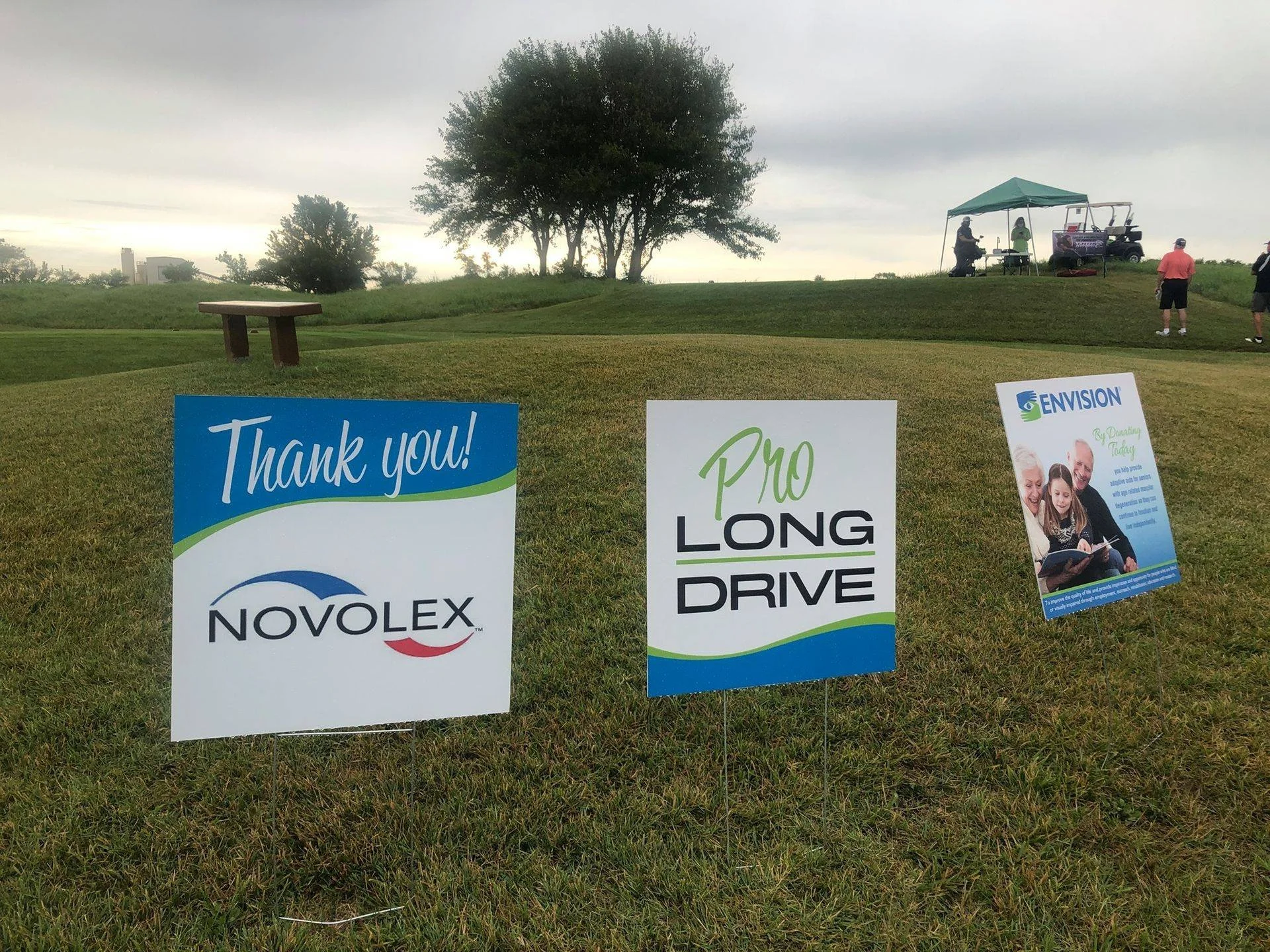
Signs recognizing the sponsors of a long-drive entertainer at a golf fundraiser.

Selling a sponsorship for long-drive entertainers is another way to help drive additional revenue from your golf event.

Maximize Fundraising With Charity Golf International & GolfStatus

CGI isn’t just “another contest vendor.” We help golf events increase revenue and maximize your fundraising goals by delivering:

  • Professional-led Par 3 + Par 5 experiences that create high-energy giving moments

  • Smoother operations, with less burden on volunteers and planning committees

  • A premium guest experience that supports bigger donations

  • Zero upfront cost to the charity (CGI is performance-based)

Why GolfStatus Matters for Your Goal

GolfStatus helps event organizers run a tighter tournament—from registration to sponsor management—so the fundraising plan you set is actually executable. In other words:

  • Better organization = better sponsor experience

  • Better sponsor experience = more renewals + higher dollars

  • Smoother logistics = more time/attention on fundraising moments

If your goal is to raise more without adding chaos or gimmicks, CGI can help. Get in touch to find out more about CGI.


Book a Meeting with GolfStatus

Get started with GolfStatus’ golf tournament management software at no upfront cost!


Golf Tournament Advertising Ideas to Boost Registration & Sponsors
 

by Jen Wemhoff, Communications Manager at GolfStatus

Advertising is an area where you can truly see your tournament grow and scale. It can be the difference between a half-empty field and a sold-out, high-energy event that attracts both golfers and sponsors and raises significant funds for your organization.

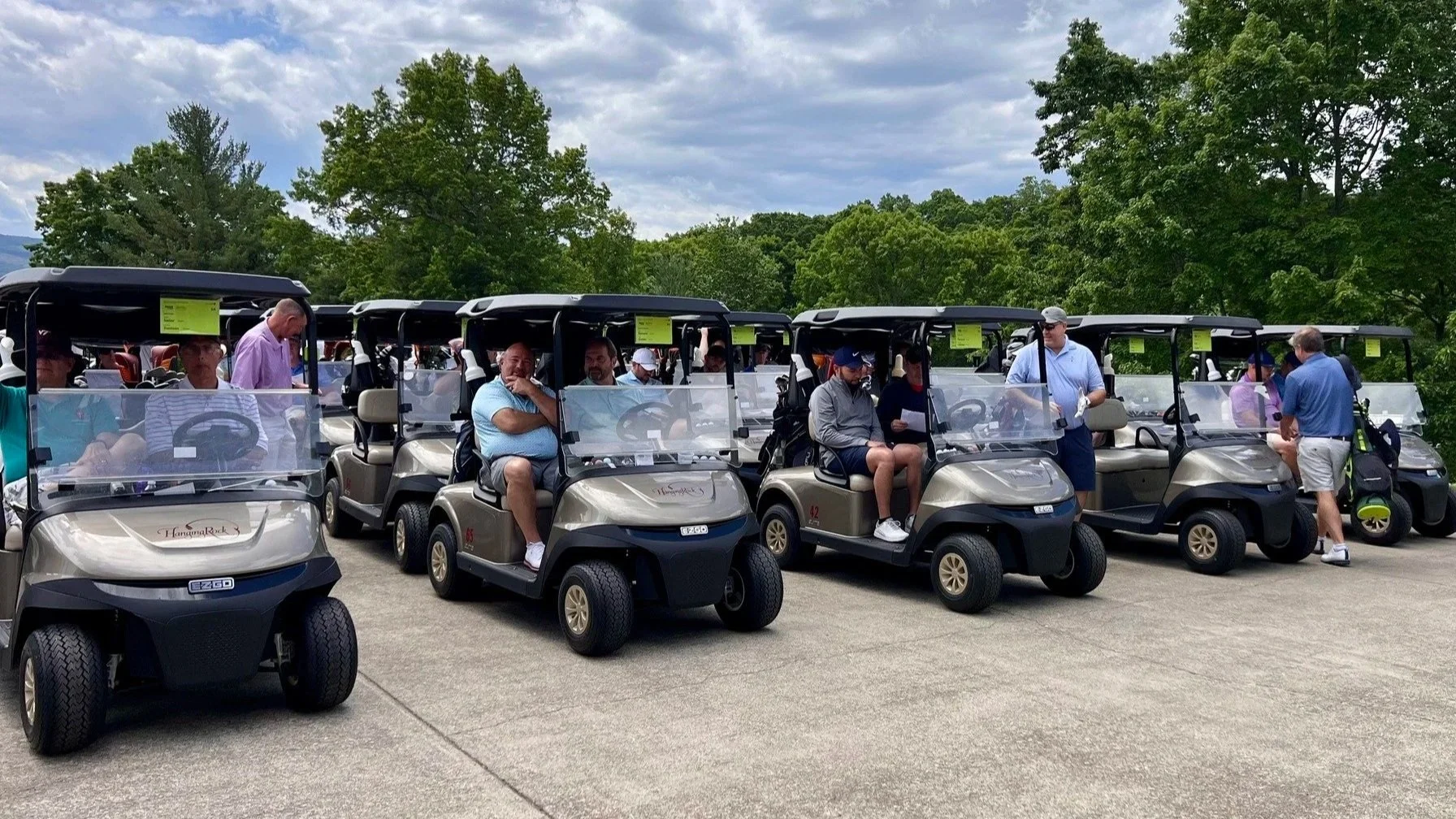
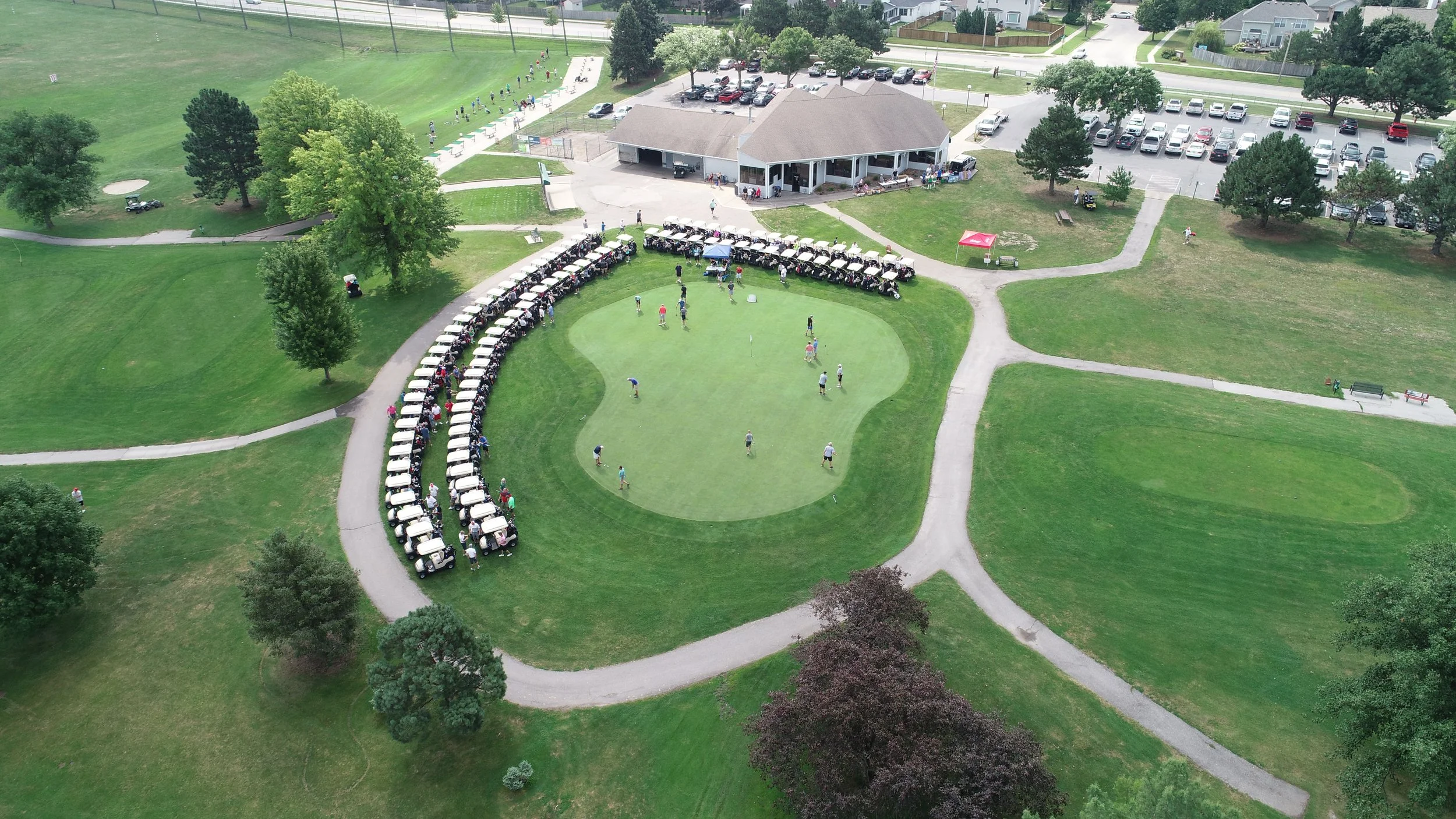
Golf carts line up at the start of a sold out charity golf tournament.

Effective golf tournament advertising can help your golf fundraiser grow, scale, and boost revenue.

A robust golf tournament advertising strategy ensures your event doesn’t just happen—it thrives. This guide breaks down the basics with FAQs about golf tournament advertising, a step-by-step outline, and a sample campaign plan to help you fill your tournament and secure high-value sponsorships.

Table of Contents


Golf Tournament Advertising FAQs

What is Golf Tournament Advertising?

At its core, golf tournament advertising is the strategic promotion of your event across digital, print, and community channels. Its goal is to attract golfers, sell out teams, and secure sponsors to fund the event.

Why is Golf Tournament Advertising Important?

Advertising ensures a full field for your charity golf tournament, which is a key part of covering golf facility costs and reaching fundraising goals. Strong visibility also demonstrates to sponsors that their brand will get exposure to a large, engaged audience. In short, consistent promotion elevates your tournament from a simple round of golf to a highly anticipated, must-attend event in your community.

What are the Best Golf Tournament Advertising Ideas?

You have a lot of choices when it comes to advertising your golf event, but here are some of the top ideas that are cost-effective and provide solid results:

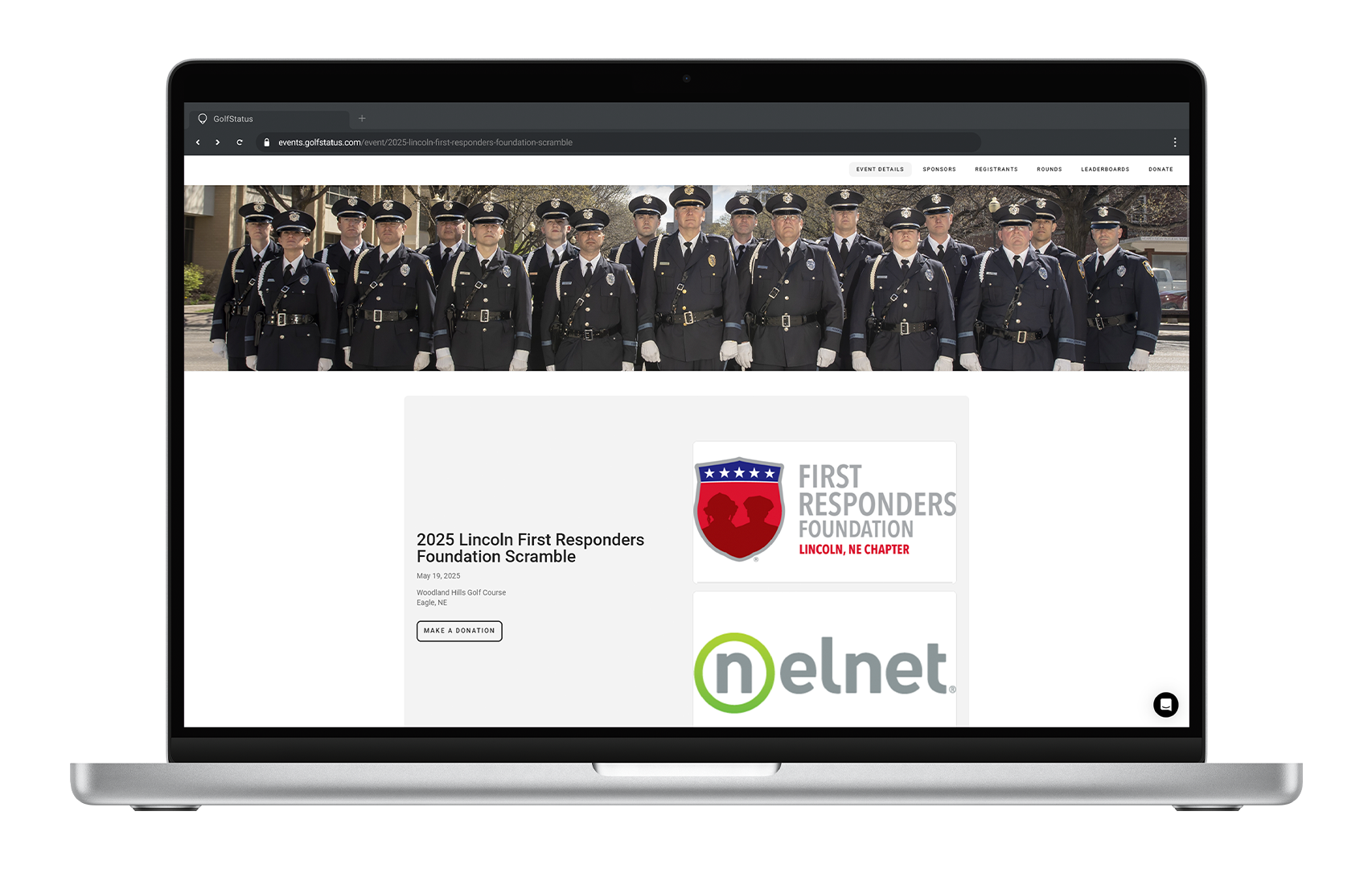
  • Use a dedicated golf tournament website where you can direct all advertising. It should offer online registration through a frictionless process.

  • Run geo-targeted social media ads on Facebook, Instagram, and LinkedIn to target prospective golfers and sponsors in your area.

  • Execute a phased email marketing campaign to hit participants with appropriate messaging at various stages of planning, such as Save the Date → Early Bird → Last Chance.

  • Partner with the host golf facility to post tournament flyers in their pro shop or clubhouse, list the event on their website, or, if possible, on cart GPS screens.

  • Provide promo kits to sponsors, board, and committee members so they can easily advertise the event to their own networks. Include logos, graphics, and canned social media and email verbiage to make it as simple as possible.

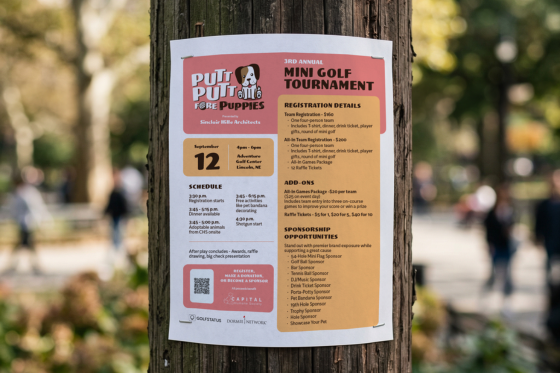
A flyer is posted on a pole advertising a golf tournament.

When using print materials, be sure to include a QR code that links to your golf tournament website.

When Should We Start Promoting a Charity Golf Tournament?

A good rule of thumb is to start reaching out to sponsors four to six months out from tournament day, though it’s never too early to start. Your public promotion will ramp up in the final months and weeks leading up to the tournament.

How to Create a Golf Tournament Advertising Campaign

1. Define Your Campaign Goals and Target Audience

Start by identifying who you want to reach. Are you trying to fill the last 20 player spots with local golfers, or are you targeting corporate executives for high-ticket sponsorships? Set concrete goals for golfer registrations, sponsorships, and marketing success.

2. Launch a Centralized Event Website

Before you send a single promotional email or print a flyer, you need a mobile-friendly event website. Prospective golfers or sponsors should never have to download a PDF or mail a check to register for your tournament, so make sure your site is live before advertising begins.


The homepage of a golf tournament website is shown on a laptop.

Get a Free Golf Tournament Website

Launch a professional, branded event website in minutes with GolfStatus. The website acts as your campaign hub, automating golfer registrations, donations, and sponsorships online 24/7.


3. Define and Package Your Inventory

Your inventory is golfer or team registrations and sponsorship packages. Conduct an audit and ensure it includes a mix of physical assets (pin flags, hole signage) and high-margin digital assets (live leaderboard or mobile app branding and push notifications).

Package ideas include:

  • Technology Sponsorship

  • Pin Flag Sponsorship

  • Hole-In-One Contest Sponsorship

  • Elevated Hole Sponsorships

  • Individual Golfer Registration

  • Team Registration (Twosome or foursome)

  • Add-On Packages (raffle tickets, mulligans, on-course games, etc.)


Pro Tip:

List all team and sponsorship packages on your GolfStatus event website so interested golfers and businesses can browse packages, see each option’s benefits, and commit on the spot. The software’s back end makes it simple to track registrants, sold sponsorships, and payments in one place.


4. Map Out an Omnichannel Promotion Strategy

Plan a coordinated approach across multiple channels to reach the widest audience possible. Use generative AI to quickly write copy for channels like social media ads, email campaigns, short-form video (like Instagram Reels and YouTube Shorts), and text message marketing. Encourage peer-to-peer promotion by giving supporters branded assets to share, and include testimonials from previous fundraising events or past golf tournaments to further strengthen your appeals.

Remember: All channels should include a CTA (call to action) that directs people to your event website, even print pieces. Use a QR code that links to the website so people can register from their phones.

5. Maximize Digital Real Estate

In your advertising, highlight opportunities that provide multi-touchpoint visibility before, during, and after the tournament. Digital placements are a great option to attract sponsor interest and offer engagement beyond the day of the tournament.

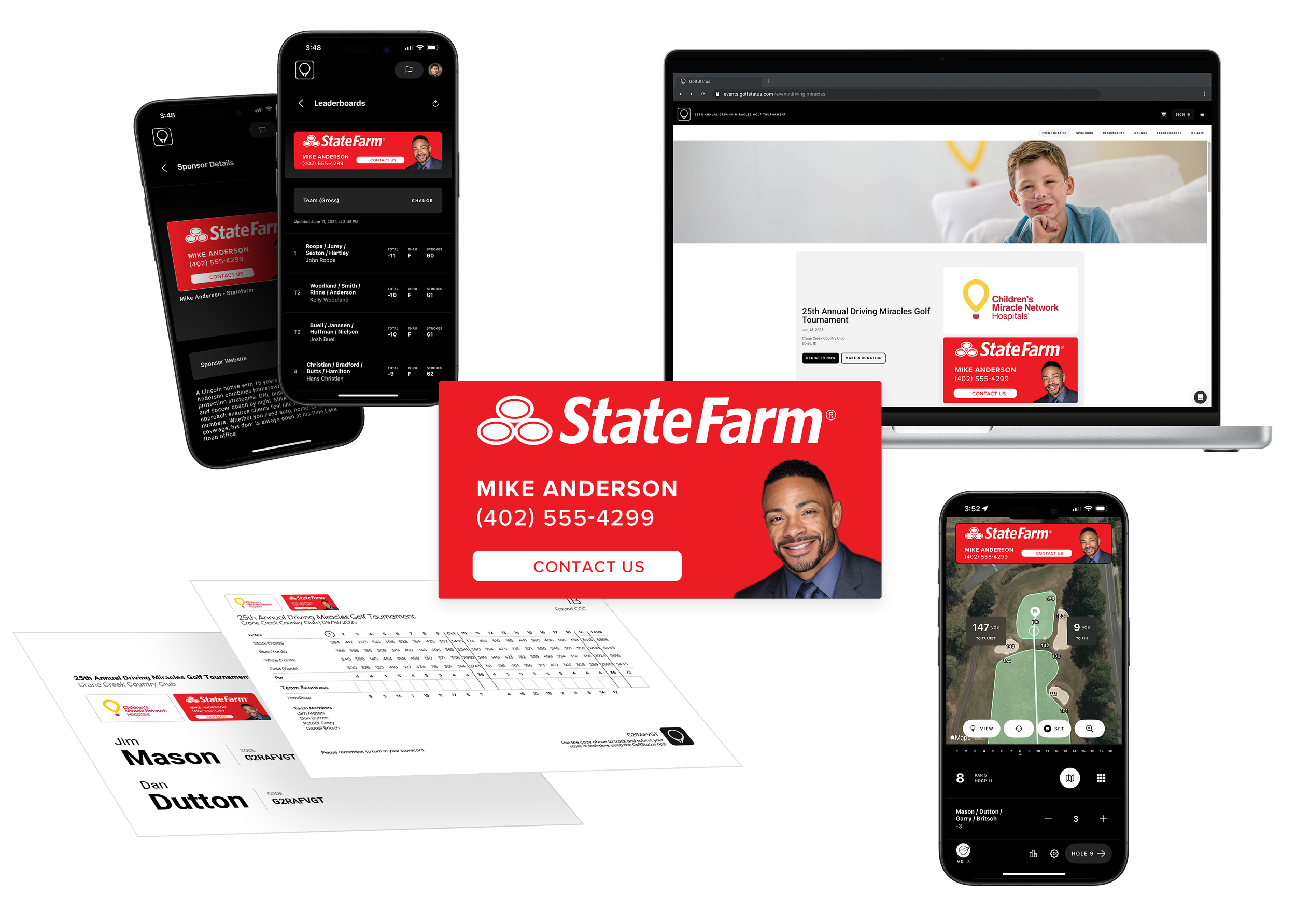
GolfStatus’ exclusive Technology Sponsorship embeds the sponsor’s brand across the platform, giving them premium exposure on the event website, live leaderboards, live scoring mobile app, and more. These placements don’t come with overhead costs, which means more profit for your organization.

A collage showing sponsor logo placements on a phone, website, and printed scorecard.

Digital exposure with multiple touchpoints, like that provided by GolfStatus’ Technology Sponsorship, offers sponsors broad visibility.

Example Golf Tournament Advertising Campaign Plan


Ready to Launch Your Tournament With GolfStatus?


Golf Tournament Advertising Best Practices

From optimizing your sponsorship packages to unique options for spreading the word, these best practices will help you make the most out of your advertising efforts.

  • Be specific in your sponsorship listings. When adding sponsorship packages to your events website, be specific. Include identifying names, such as “Hole-In-One Contest Sponsor," "Beverage Cart Sponsor," or "Leaderboard Sponsor," and include details about the accompanying sponsorship benefits. This helps businesses justify the spend and understand the ROI of their support.

  • Integrate physical and digital assets. When leveraging physical assets, like flyers, postcards, or signage, use a QR code that links to your event website. This helps you track registrations from non-digital sources.

  • Work with local media. Send press releases to local newspapers, community magazines, and local radio and television stations. If your tournament benefits a local charity, media outlets may be willing to provide discounted or free ad space. You might also utilize online community calendars or events listings.

  • Engage with micro-influencers. Hyper-local influencers can often have a larger impact than a more well-known A-lister. Connect with local influencers to spread the word about your event.

  • Empower your planning team. Turn your planning committee and board members into an active sales team. Similar to peer-to-peer campaigns, you might create a friendly competition to see who can recruit the most sponsors or golfers or get the most engagement on posts by leveraging their personal and professional networks.

Wrapping Up

Golf tournament advertising takes some trial and error to find the right tactics and strategies that work for your supporter base. Test different options, measure your results, and lean into messaging and channels that resonate with your audience. By putting in the marketing work, you’ll cast a wide net to secure registrations, sell sponsorships, and ensure your tournament is the one that everyone wants to be part of.

Make sure you have the right golf management tech in place to streamline planning, management, and execution for a memorable experience. GolfStatus’ software, combined with industry-leading support and exclusive Fundraising Enhancers, can make your tournament better than ever. Click below to book a meeting with the GolfStatus team to get started at no upfront cost.

Offer Better Sponsorships & Raise More Money With GolfStatus

Click Here to Get Started at No Upfront Cost!

About the Author

Jen Wemhoff accidentally discovered her passion for nonprofits in college. An internship while earning a degree in Communications from Doane University led to a 20 year career in the nonprofit sector, where she found a strong desire to be part of something bigger than herself. Her vast nonprofit experience includes roles in marketing, fundraising, and direct programming. When Jen came to GolfStatus as Communications Manager in 2020, she was struck by the power of the sport to raise money to power nonprofit missions. She tells GolfStatus’s story across platforms and channels and develops educational tools and resources to help nonprofits tap into golf’s giving power. Jen, her husband, and two daughters call Lincoln, Nebraska home.


Organizing a Charity Golf Tournament: Key Tips & Checklist
 

by Jen Wemhoff, Communications Manager at GolfStatus

If you’ve never planned a golf tournament before or your organization doesn’t currently have a golf event as part of its fundraising portfolio, you might be wondering what it takes to successfully raise money through golf. It’s important to understand that while a golf event comes with many moving parts and important details to handle, it’s absolutely worth the time and effort. Why?

  • No other fundraising event offers the fundraising potential and engagement opportunities provided by a golf tournament.

  • Having a solid understanding of the fundamentals, following the best practices in this guide, and utilizing a planning checklist helps set your team up for success right from the start.

  • GolfStatus provides no-cost tech, planning tools, fundraising enhancers, and much more to help event organizers of all experience levels execute a lucrative golf event.

Table of Contents
Organizing a Charity Golf Tournament: FAQs
What to Know Before Organizing a Charity Golf Tournament
Golf Tournament Fundraiser Checklist

People participate in a charity golf tournament

Organizing a Charity Golf Tournament: FAQs

What are the benefits of charity golf tournaments?

  • Raise mission-critical funds. Golf events have the capacity to raise significant funds for nonprofits and charities of all types and sizes. With the right tools and strategy, golf tournaments have a high ROI.

  • Connect with new donors. Because the average golfer has an above-average net worth, golf events put your organization directly in front of individuals with higher disposable income and a greater capacity to give.

  • Engage with donors and supporters. Unlike a quick dinner or digital campaign, a golf tournament provides hours of uninterrupted, focused time to engage with your audience. This gives your nonprofit time to interact with supporters and gives sponsors the chance to make valuable connections with potential clients.

  • Spread awareness about your mission. The team nature of most charity golf tournaments encourages participants to invite people from their personal and professional networks, introducing entirely new people to your mission who may not have attended a different type of event.

What Organizations should organize a charity golf tournament?

Organizations of all sizes can successfully execute lucrative golf fundraisers. Organizations that are looking to make connections with, or are already well-connected with, businesses and corporations are an especially good fit. Golf events are ideal for sponsorships, so they’re a great jumping-off point for organizations that want to build or strengthen business networks.

Whether you’re a massive national foundation or a small local charity, the golf tournament model works well because it’s scalable. The mechanics of revenue generation remain effective regardless of your organization’s size or structure.

Want to brainstorm ideas for your charity golf event?

Check out this guide

What is needed to hold a charity golf tournament?

  • Golf-specific event management software. Ticketing platforms or your nonprofit’s CRM aren’t built to handle golf’s specific needs, like hole assignments, scoring, and handicaps, without clunky workarounds. Choose a platform that’s designed for golf and is backed by a team of golf fundraising experts.

  • A golf facility. Choose a host golf facility based on your budget and goals. You’ll need an easy way to share information and collaborate with golf staff—your event management software should make this easy and seamless.

  • An event website. A dedicated site makes it simple to promote the tournament, register golfers, onboard sponsors (and provide digital exposure), sell add-ons, and share updates.

  • A planning team and volunteers. Recruit others to help plan the tournament and execute on event day.

  • Fundraising enhancers. Boost revenue beyond registrations and sponsorships. Look for fundraising enhancers like on-course games, hole-in-one contests, raffle drawings, and auctions.

  • Hole-in-one insurance. If you’re planning a hole-in-one contest (which is a great addition to any tournament), be sure you’re not stuck funding the prize if someone gets an ace.

  • Attractive sponsorships. Build sponsorship packages that cover costs, drive revenue, and provide benefits to the business, such as exposure, the chance to mingle with golfers, or speaking opportunities.


1. YOU DON’T HAVE TO BE A GOLF EXPERT

Many event planners aren’t golfers—and don’t need to be to hold a lucrative golf tournament. All that’s really needed is a tool that helps organizers, committees, and volunteers navigate the intricacies of a golf event and that’s purposefully designed to save novice and seasoned golf event planners time and resources.

An event management platform designed specifically for golf fundraisers makes things easier and walks you through planning and executing every step on your golf tournament fundraiser checklist. Look for a tool that makes it easy to collaborate and exchange information with the golf facility and one with a responsive customer success team that’s there when you need them.

When organizing a charity golf tournament, make sure your donors, staff, and sponsors have downtime to interact and build connections with each other.

2. GOLF FACILITIES ARE EAGER TO HOST GOLF TOURNAMENTS

Outside golf outings like memorial tournaments, charity outings, major fundraisers, and small local events are essential to a golf facility’s bottom line. You’re essentially guaranteeing the course that you’ll fill the tee times for the day, plus any additional revenue from the pro shop and food and beverage, not to mention exposure to avid golfers who could become members. This gives you, the event organizer, leverage when it comes to negotiating better pricing for the event. Certainly, the more high-end the facility, typically the higher the green fees will be. That said, here are some things to consider to maximize the cost-effectiveness of the facility:

  • Tap into your networks. Ask board members, volunteers, and other supporters who are members at higher-end facilities if they have connections and can facilitate a favorable rate.

  • Hold the event on an off day. Try to avoid busy holiday weekends and other high-traffic dates for courses. Ask about slower days of the week; rates on Mondays, for example, are typically lower than rates on Fridays or Saturdays.

  • Consider adding a virtual option. A virtual tournament extends the event to multiple days or weeks and/or across multiple courses. With this option, players and teams participate on their own time, scheduling their tee times directly with the facility, so your organization doesn’t actually need to occupy the facility on a specific date for a specific period of time. You can also consider holding a virtual event in tandem with a traditional one-day event to allow for more participants and revenue.

3. GOLF EVENTS ARE MORE POPULAR THAN EVER

Golf’s popularity continues to surge. Research from the National Golf Foundation reports that rounds played at U.S. courses topped 500 million for the sixth consecutive year, extending one of the most sustained periods of elevated play the sport has ever seen. More than 136 million Americans consumed golf in some way in 2025, up 43% since tracking began in 2016.

Golf fundraisers have enjoyed a similar surge in popularity, with nonprofits of all sizes launching first-year tournaments to capitalize on golfers’ eagerness to get on the course. These fundraisers are now building on their success as third or even fourth-year events! Golf outings may have emerged as a viable option for in-person fundraising events, but organizations discovered how these events connect them to exactly the types of donors and sponsors that turn into sustainers and long-term corporate partners.


Golf's Estimated Reach
136 million+ Americans
Average Golfer's Net Worth
$768,000

4. GOLF EVENTS BRING NEW DONORS TO THE TABLE

In general, golfers tend to represent an affluent, influential demographic. Its participants report higher household and discretionary income (more than double the national average) and thus a higher capacity to give. Younger golfers are also increasingly taking up the sport, with more on-course golfers between the ages of 18 and 34 than any other segment.

When golfers tap into their personal and professional networks to field a team (particularly in tournaments with a scramble format that allows for a wider range of skill levels), it instantly broadens your prospective donor base and exposes new people to your mission. What’s more, your tournament’s sponsors give your development and major gift teams an “in” to potential high-capacity donors and corporate partners. Indeed, golf presents an opportunity to connect with new sponsors and supporters through a sport that people want to play. There’s never been a better time to get in front of golfers and sponsors eager to support golf events.

5. SPONSORS ARE INTERESTED IN CONNECTING WITH YOUR DONORS IN NEW WAYS

High-quality, professional golf course signage certainly has its place in terms of sponsor recognition, but sponsors are increasingly looking for avenues to both support organizations and get their brands in front of the affluent golfer demographic. The good news for both nonprofits and sponsors is that the same technology that streamlines golf events opens doors for digital sponsorship exposure. Digital sponsorships can be sold at a premium, giving sponsors exposure to an audience they can’t get anywhere else and offering a high return on their investment. 

The homepage of an event website for a charity golf tournament is displayed on a laptop computer.

Corporate partners and sponsors have a vested interest in supporting the tech that helps organizations streamline clerical tasks and eliminate duplicative work. Plus digital exposure is easy to manage—just plug in a logo on a website, in a mobile app, or on your event’s live leaderboards. These methods take less time and effort, have little to no overhead costs, and have substantially lower expenses compared to traditional branded pieces.

What’s more, golf tournaments offer sponsors high engagement over the course of several hours on the course. Whether it’s sponsoring a golfer-favorite hole-in-one contest, setting up a booth on a tee box as a hole sponsor or pin flag sponsor, or running an on-course game, golf events give sponsors the opportunity to engage with participants in meaningful ways.

6. GOLF TOURNAMENTS ARE FUN & EXCITING

The difference between a good golf event and a great golf event is the overall experience. There are many ways to add fun and excitement (and raise a few more dollars along the way). On-course competitions like hole-in-one contests, putting contests, longest drive contests, closest-to-the-pin contests, and putting contests let golfers test their luck (or skill) to win great prizes—and are premium sponsorship opportunities. 

For example, you can add a buy-in to your tournament’s skins games, which creates mini-competitions between individuals or teams. Displaying skins results on real-time leaderboards keeps golfers engaged.

Other fun add-ons might include:

  • A celebrity appearance

  • A professional long-driver on a designated hole or holes

  • Games or demonstrations on each tee box

  • A fun golf tournament theme

  • Custom player gifts

  • Live or silent auctions

  • Post-golf entertainment

The options are endless—but the key is to choose components that contribute to a well-executed event and memorable experience that will keep golfers and sponsors coming back year after year.

7. ORGANIZING A CHARITY GOLF EVENT IS WORTH THE WORK

Golf’s fundraising capacity is unmatched. And while golf events have a number of moving pieces and unique details to handle, the right tools can ease the administrative burden as you tick items off of your golf tournament fundraiser checklist. Golf event management tech eliminates manual registration and payment processes and siloed information, making it easier to collaborate and delegate tasks to teams, board members, volunteers, and even staff at the golf facility. 

Your golf event management software should have robust reporting capabilities so you can easily track payments and who is supporting your cause. It should also handle golf-specific tasks, such as:

  • Building custom sponsorship packages

  • Syncing GHIN handicaps

  • Simplifying team pairings

  • Streamlining hole assignments and hole-by-hole sponsor exposure

  • Making live-scoring super simple

Three golfers chat in a golf cart during a charity golf tournament

If you’re a third party—a business, corporate entity, passionate volunteers, or other group—holding a golf tournament to raise money for a charity, your event management platform should be able to serve as the “bank” for your tournament. Funds collected through donations or purchases of teams, sponsorships, and add-ons can be held by the platform and distributed directly to the benefiting charity after the tournament is complete.

Truly, a fundraising platform designed specifically for charity golf tournaments ensures that no detail is missed. Look for the solution that leaves organizers free to recruit players and sponsors, solicit donations, and upsell and steward donor relationships in ways that advance the event and the organization forward.


Golf Tournament Fundraiser Checklist

A checklist with an accompanying timeline of tasks is a tried and true method for staying organized throughout the golf tournament planning process. Depending on the size, scope, and goals of your golf event, a good recommendation is to give yourself at least four to six months to plan. An event management platform built for golf is also a must-have to streamline the process and keep everything organized in one place.

Here’s a quick checklist of important tasks and to-dos to get you started.

3-6 Months Out: Laying the Foundation

  • Outline goals and objectives for the tournament based on your mission and fundraising goals

  • Assemble a planning committee

  • Get your golf tournament management software in place

  • Set a budget based on how much you aim to raise, income streams, and estimated expenses

  • Choose a date and host golf facility for the tournament

  • Start outlining team and sponsor pricing

  • Launch an event website

  • Create a marketing plan for the event

  • Determine whether you’ll have any add-ons, like contests, on-course games, raffle drawings, or an auction

2-5 Months Out: Big-Picture Finalization

  • Finalize sponsorship offerings and team packages

  • Get quotes from vendors

  • Meet with your planning team

  • Reach out to prospective sponsors

  • Promote the tournament

1-2 Months Out: Countdown Preparation

  • Continue promotion and marketing to sell teams 

  • Meet with your planning team

  • Finalize on-course games and purchase hole-in-one insurance

  • Determine a contingency plan for inclement weather

  • Recruit volunteers and determine roles

  • Continue sponsor outreach

2 Weeks Out: Final Touches

  • Meet with the planning team to tie up any loose ends

  • Finalize details and food and beverage with the golf facility

  • Check on outstanding vendor orders

  • Close registration

1 Week Out: Crunch Time

  • Collaborate with the golf facility to finalize team pairings, hole assignments, logistics, vendor deliveries, and setup

  • Gather supplies and materials (registration items, signage, banners, golfer gifts, raffle prizes, auction items, etc.)

The Big Day

  • Set up registration, signage, contests, screens for leaderboards, and awards

  • Take photos and post on social media

  • Take time to connect with sponsors to build donor relationships

1-2 Weeks Post-Event: Following Up

  • Export the donor data from your event management software to include in your nonprofit’s CRM

  • Debrief with your planning team to review goals, outcomes, and improvements for next year

  • Report on the event’s success to donors, volunteers, and sponsors

  • Send thank yous to event sponsors and participants


FREE Tournament PLANNING Timeline & CHECKLIST

For a more in-depth list of planning tasks with a customizable timeline based on your time to plan, download GolfStatus’ free Golf Tournament Fundraiser Timeline and Checklist.


Final Thoughts & Next Steps

Golf tournaments offer a ton of fundraising potential. Understanding the basics of charity golf events and staying organized and on track are keys to planning a successful golf tournament. Start by getting a golf event management platform in place as soon as possible, then outlining all your priorities and to-dos in a golf tournament fundraiser planning checklist.

Get qualified to use GolfStatus’ tournament management software at no upfront cost through the Golf for Good program! You’ll save 40 hours or more in planning time and get access to tools to help you raise thousands more dollars for your cause. Click below to connect with our team and get started.

 
Attracting & Retaining Donors With Your Charity Golf Tournament
 

by Jen Wemhoff, Communications Manager at GolfStatus

At its core, nonprofit fundraising boils down to two essential goals: attracting new donors and retaining existing ones. Both are critical to a nonprofit’s long-term success, and both require thoughtful strategy, consistent stewardship, and meaningful engagement.

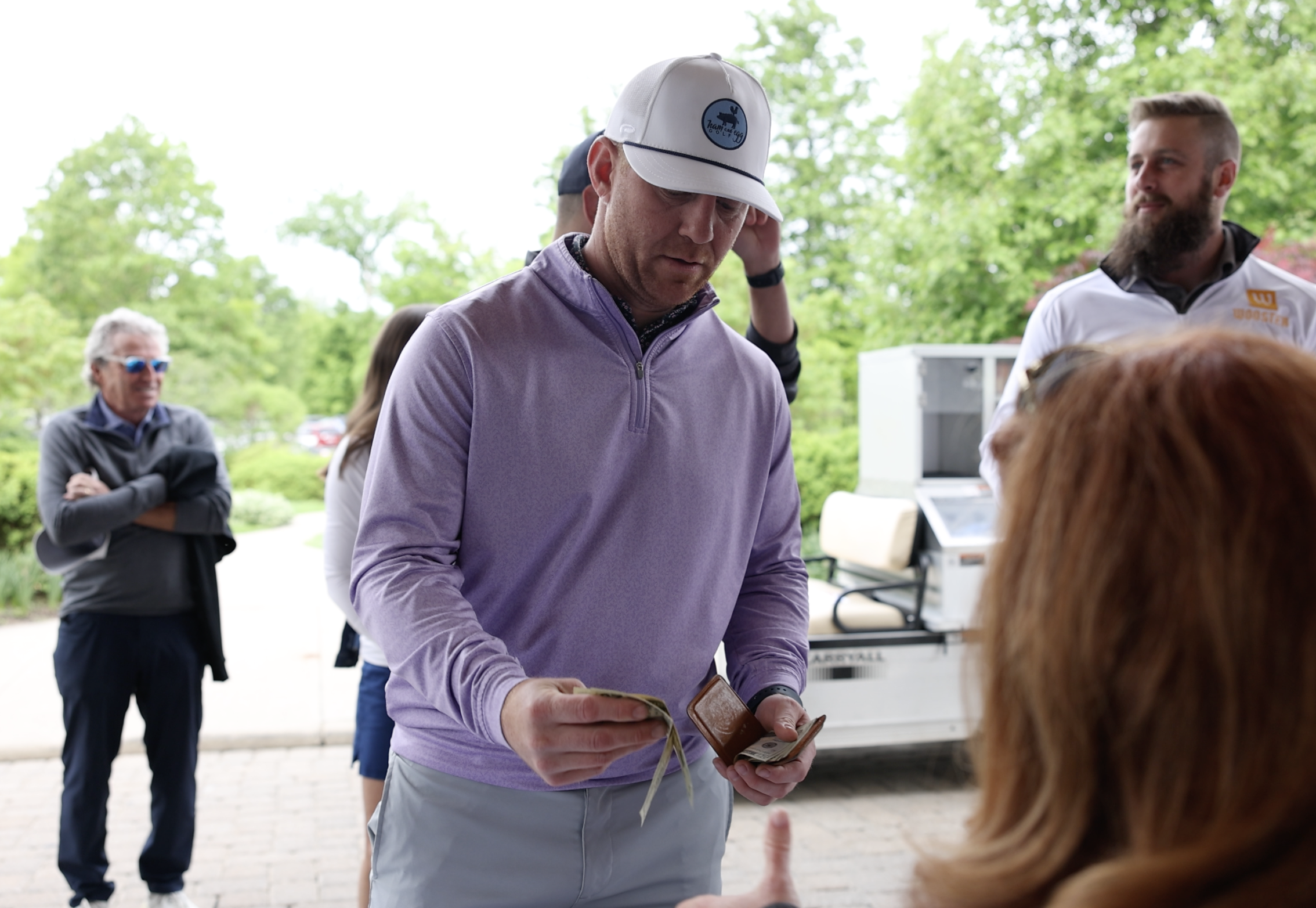
A golfer makes a donation during a charity golf tournament.

Charity golf tournaments are uniquely positioned to support both of these goals. When executed well, a golf fundraiser does more than raise money for a single day. It also:

  • Introduces your mission to new audiences

  • Deepens relationships with current supporters

  • Creates an experience that donors want to return to year after year

Here’s how nonprofits can use golf fundraisers to grow their donor base and build lasting loyalty.

Why New Donors Matter for Nonprofits

New donors are the fuel that keeps your mission moving forward. Just as for-profit businesses must attract new customers or clients to grow, nonprofits must consistently introduce new supporters to their cause, programs, and impact.

Some level of donor attrition is inevitable, but without a steady stream of new donors to replace those who lapse, your support base shrinks, fundraising becomes more challenging, and growth stalls. Charity golf tournaments help solve this challenge by combining fundraising with raising awareness and building relationships into one highly social event.

Why Donor Retention Is Just as Important

Yes, acquiring new donors is essential. But retaining them is often even more impactful. Returning donors already believe in your mission and understand your work. They’re more likely to give again, give generously over time, and become long-term advocates for your organization. 

Retention is also far more cost-effective than finding new donors. The time, energy, and resources to acquire a new donor typically far exceed what it takes to steward an existing one. In fact, high donor attrition can undo months or years of relationship-building, making retention strategies critical to sustained growth and success.

How Golf Tournaments Attract & Retain Donors

Golf fundraisers meet supporters where they already are—on the course. Unlike many traditional nonprofit fundraising events, golf tournaments center on an activity that past and prospective donors genuinely enjoy, creating natural opportunities for conversation and connection.


Start Planning a Golf Tournament With GolfStatus!


Here’s why charity golf tournaments are so effective at helping nonprofits onboard and retain donors of all levels:

1. People Want to Play Golf

Golf has seen a sustained surge in popularity, with more than 500 million rounds played in each of the last six years (which is up 21% than the previous five-year average). That continued interest means a large and engaged pool of potential tournament participants—and potential donors.

Many golfers actively seek out tournaments to play in simply because they love the game. And it’s not just the die-hard golfers; more new and casual players than ever are getting involved in the game and are eager to play in tournaments. When your fundraiser is built around an activity people are excited to do, participation feels less like an obligation and more like a reward—making supporters more likely to return year after year.

An image of four golfers on the green in the foreground and background at a charity golf tournament.

Golf tournaments engage current and new donors through an activity they enjoy.

2. Players Expand Your Reach by Building Teams

While golf is an individual sport, charity tournaments are typically played as scrambles. That means participants must form teams, often by tapping into their personal and professional networks.

Here’s how that works to benefit your nonprofit: One supporter registers and brings along three others to field a team who are unfamiliar with your organization. By the end of the tournament, those new players will know about your mission and impact firsthand. This built-in network effect creates a snowball effect to multiply your reach and organically grow your donor community.

3. Golf Attracts a High-Value Demographic

Golfers tend to represent a demographic with a higher-than-average household income and net worth. Many are between the ages of 25 and 55 (an age bracket with strong earning power), and a significant percentage hold leadership or management roles, own their own business, and own real estate.

These characteristics make golf tournaments especially attractive for nonprofits seeking to connect with potential high-capacity donors and corporate sponsors and for businesses looking for exposure to an affluent audience. It’s an audience that aligns well with both fundraising goals and sponsorship opportunities.

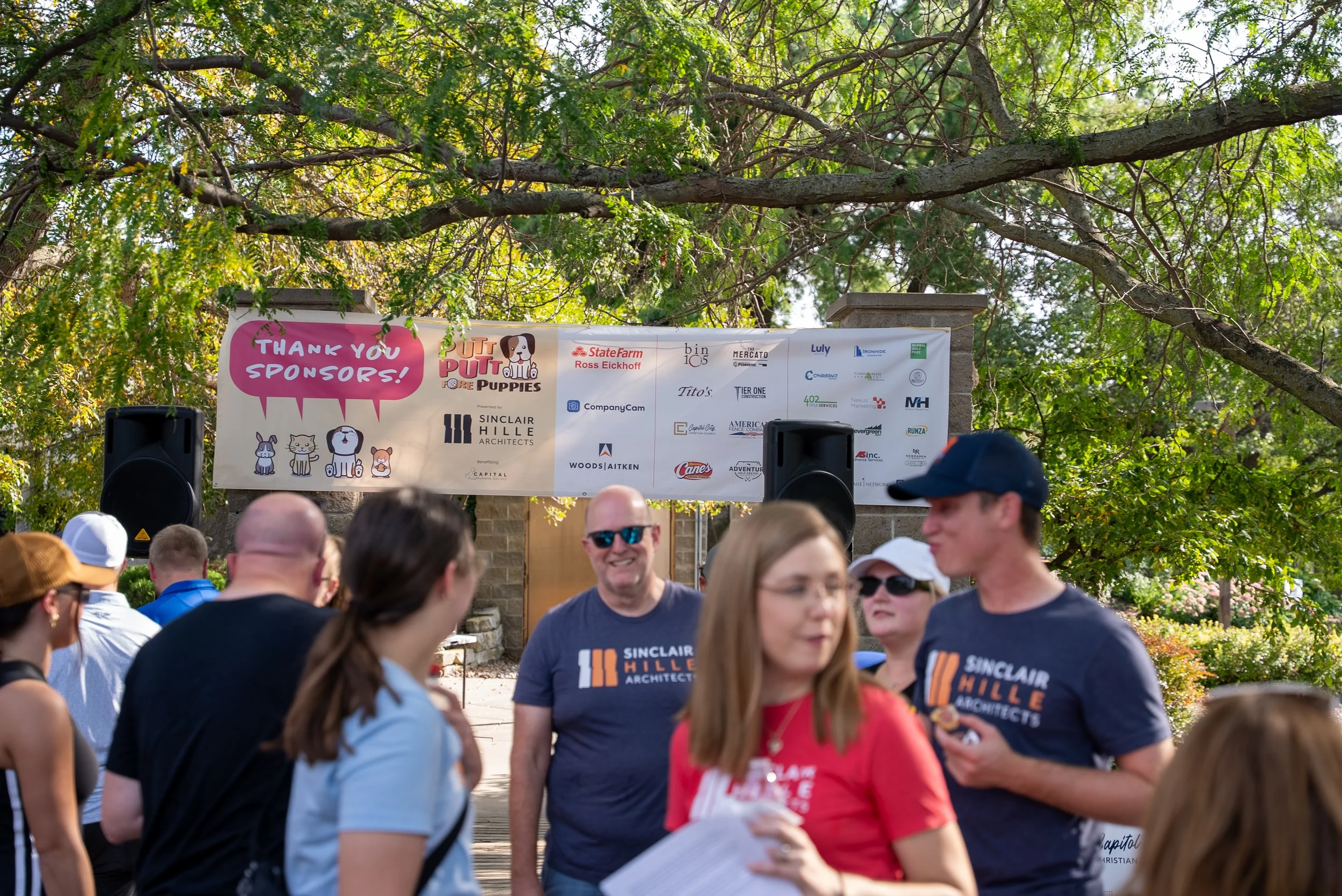
Golfers mingle and network before the start of a golf fundraiser.

Golf tournaments are often an important networking opportunity for your nonprofit, sponsors, and partners.

4. Tournaments Create Meaningful Networking Opportunities

For many participants, charity golf tournaments double as professional networking events. Five+ hours on the course provide uninterrupted time to build relationships, entertain clients, and strengthen business connections.

This dynamic can bring new, well-connected individuals to your event when they’re invited to fill a team. And since it’s centered around golf, people who may not otherwise attend a traditional fundraiser are more eager to participate. When paired with thoughtful stewardship, these relationships have the potential to evolve into long-term donor or sponsor partnerships.

5. You Can Re-engage Lapsed Donors

A golf fundraiser can also serve as a powerful re-engagement tool. Past supporters who haven’t given recently, whether they skipped a year-end appeal or drifted away after a previous event, may be more receptive to an invitation to play golf than to a direct donation ask.

Your golf event offers a low-pressure way to reconnect through a shared experience and activity they enjoy. It opens the door to new conversations, the opportunity to steward the relationship, and provides a natural setting to reintroduce your mission, programs, and impact.


Free Guide:

Attracting & Retaining Donors With Your Golf Fundraiser

Looking for more strategies to grow your donor base from your golf event? This free guide discusses the golfer donor and how to convert, activate, and retain them.


Capture Donor Data to Take the Next Step

To fully realize the donor growth potential of your golf fundraiser, you need more than just a great event—you also need accurate, accessible donor data.

Knowing who participated, who sponsored, who donated, and who was introduced to your organization through the golf event allows you to effectively follow up and steward relationships beyond tournament day. How do you start? Simply by capturing participant information at registration and integrating it into your donor database.

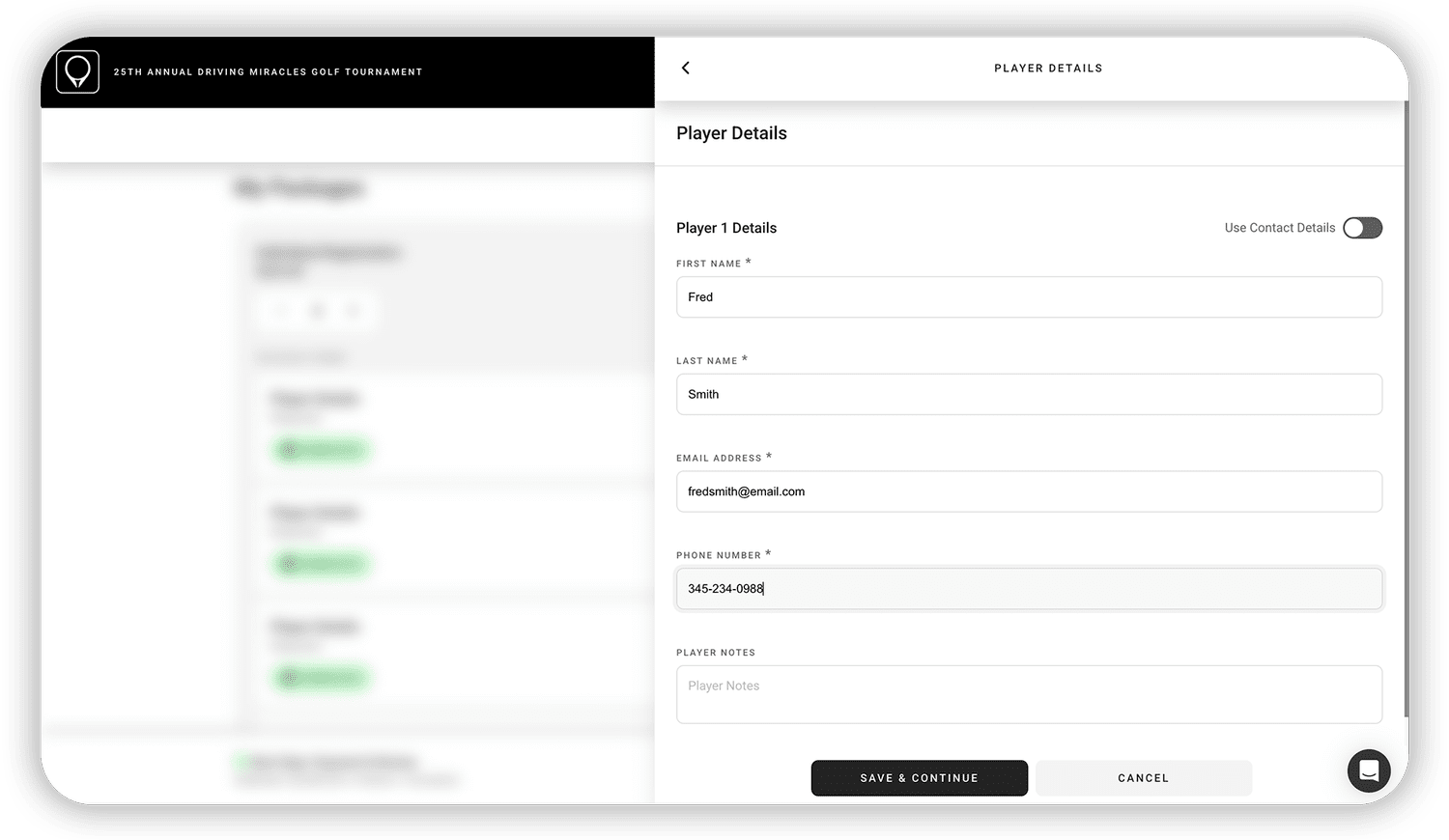
A screenshot of an online registration screen for a charity golf tournament.

Collecting information at registration is an important step in stewarding golfers post-tournament.

Technology plays a key role here. Online registration through a golf-specific event management platform saves staff time, reduces manual work, and ensures real-time data collection. A professional event website with intuitive registration makes it easy to gather complete information for each player and sponsor. The result is less administrative burden on your team and better data to support future fundraising events.


GolfStatus: A Smarter Way to Run Your Charity Golf Tournament

Built specifically for golf fundraisers, GolfStatus helps organizers streamline planning, capture valuable donor data, and deliver a seamless, professional experience for players and sponsors alike. Whether you’re launching a first-year tournament or looking to modernize an existing event, the right tools can make it easier to attract new donors, steward existing supporters, and execute a fundraiser that grows every year.

Click below to book a meeting with GolfStatus—get a free event website and access to its golf event management tech at no upfront cost.

Ready to Simplify Your Golf Fundraiser & Maximize Its Impact?

Book a Meeting With GolfStatus!


How to Successfully Secure Golf Tournament Sponsorships
 

by Logan Foote, Sales and Education Director at GolfStatus

A hole-in-one contest sponsored sign, which represents an example of golf tournament sponsors.

Businesses are looking for a win-win when it comes to sponsoring events. They want to be associated with a worthy cause while also gaining positive exposure for their brand to an audience of their ideal clients or customers. Charity golf tournaments do both, making sponsorships a win-win opportunity for your nonprofit and sponsoring businesses. Knowing who to ask is key to successfully securing golf tournament sponsorships.

  • Golf tournament sponsorships are essential for driving revenue from your event and expanding your supporter network in your community.

  • Some industries and types of businesses are especially suited to be golf tournament sponsors, and are outlined in detail in this guide.

  • Sponsorship tiers are a great way to involve businesses with varying budgets. You can find sample golf tournament sponsorship tiers later in this guide.


Golf Tournament Sponsorship FAQs

What Are the Benefits of Golf Tournament Sponsorships?

FOR BUSINESSES

Golf tournaments have a unique value proposition for businesses. With the right event management platform, sponsors get high engagement with an affluent audience of golfers through exposure before, during, and after the tournament that’s non-intrusive, but memorable. Businesses also benefit from:

  • Exposure to the golfer demographic. This population segment is an especially desirable marketing target for businesses as it includes middle to high-income individuals. Consider the following data points about the average golfer:

    • Average household income: $125,000

    • Average net worth of golfers: $768,000

    • 33% are top-level managers

    • 25% own their own business

    • 91% are homeowners

    • 86% own life insurance

    • 74% dine out at least once a week

Four golfers stand on a green at a charity golf tournament.

Many businesses are interested in gaining exposure to the golfer demographic, which gives your golf tournament an edge in recruiting sponsors.

  • Multiple exposure touchpoints across the event management platform, earning impressions throughout the tournament.

  • Positive brand lift that comes with being associated with and supporting a good cause.

  • Increased customer loyalty from people who value businesses that give back to the community.

  • Community engagement in a casual setting and as part of a fun and memorable event.

  • A competitive advantage in employee recruitment. In fact, 71% of employees think it’s important to work at a company that gives back through philanthropy.

FOR NONPROFITS

Nonprofits stand to gain even more from golf tournament sponsorships, including:

  • Financial support to make the tournament a success and help power their missions.

  • Strong partnerships with sponsoring businesses that can open doors to high-level donor relationships.

  • Credibility, especially for first-year or young events. Having a well-known business involved as a sponsor helps build a positive reputation.

  • Access to new audiences when the sponsor promotes the tournament to their audiences, giving the tournament and the cause increased visibility.

What do businesses want out of golf tournament sponsorships?

  • Brand awareness. It’s not just a benefit of a golf tournament sponsorship; it’s one of the primary drivers behind a business’s support.

  • Support of important work. Many businesses see golf tournament sponsorships as an opportunity to not only support the work of nonprofits that enrich the community, but also to enjoy the good press that comes with it.

  • Opportunities to connect with potential clients or customers. Sponsors often want to engage with golfers throughout the tournament, making connections that lead to new business.

  • A positive ROI. Businesses are choosing to invest their dollars in your tournament and want to see a return on that investment.

  • Custom opportunities. If you’re not sure what a particular business wants out of sponsoring your tournament, simply ask! Work together to build custom sponsorship packages or benefits to help them meet their goals for their support of the tournament.

What golf tournament sponsorships stand out?

  • The Technology Sponsorship is a next-level sponsorship offering exclusively for GolfStatus clients. It offers premier branding and exposure for the sponsor throughout the GolfStatus platform and app, driving higher revenue and more engagement.

  • Pin flags are one of the most visible sponsorships available for a golf tournament. Branded flags give the tournament a professional look and feel, and provide sponsors with unprecedented exposure across the golf course.

  • Hole-in-one contests give sponsors broad visibility, high engagement with golfers, and association with a fun and exciting part of the tournament. A sponsorship covers the cost of hole-in-one contest insurance, which protects your organization from financial risk while offering valuable, attractive prizes.

  • Hole sponsorships are a common entry point for sponsors to support your tournament. Level up hole sponsorships with high-quality hole signage and hole-by-hole digital exposure in a live scoring mobile app.

Types of Businesses To Target for Golf Tournament Sponsorships

When it comes to how your organization will secure sponsors for your golf tournament, targeting the right businesses is crucial:

  • Start with businesses you already have a relationship with. They don’t have to be previous sponsors—they could be corporate entities that your volunteers or board members own, or even those that are within your supporters’ sphere of influence. 

  • Look for businesses that want to reach golfers. Ideal candidates to reach out to are businesses interested in getting their brand on the radar of affluent, influential members of the community—the same folks spending their time on the golf course. 

  • Target local businesses in the industries outlined below that have a generally wealthier clientele.

  • Target regional and national companies where you have a connection or those that are headquartered or have offices in your area.

1. Food & Beverage

Your golf tournament likely incorporates food and beverage into your golf tournament in some way, perhaps boxed lunches, drink tickets, a cocktail hour, or a banquet. Golfers likely frequent local dining establishments, making it a great option for these businesses to get eyeballs on their brands. Consider reaching out to the following businesses in the food and beverage industry:

  • Restaurants (including locally owned, farm-to-table, and upscale)

  • Wineries/vineyards

  • Beverage distributors

  • Sports and cocktail bars

How to Win Their Support

These businesses make great sponsorship prospects because they can customize their engagement. For instance, if outside food and drink are allowed by the golf course, you might ask these businesses to donate or discount catering for your golf tournament. They might also be interested in providing samples of a signature dish or drink on a hole or simply contributing money towards the cause.

2. Healthcare

Healthcare providers are valuable sponsor prospects because they are community-minded and your goals likely overlap: improving the quality of life for residents. Research the following healthcare providers in your area:

  • Primary care physicians

  • Dentists/orthodontists

  • Chiropractors

  • Physical therapists

  • Surgery practices

  • Dermatologists

  • Other specialty practices

How to Win Their Support

When pitching to potential healthcare sponsors, emphasize how your cause impacts their patients and their field of medicine as a whole. If your cause is related to improving healthcare for your beneficiaries, sponsoring your golf tournament could lead to a broader partnership or support of a specific project.

3. Sports & Fitness

This industry is a perfect target because of its direct tie to your fundraiser’s medium: golf. Reach out to these types of businesses in your area:

  • Gyms/fitness centers

  • Personal trainers

  • Sporting goods stores

  • Golf equipment stores

How to Win Their Support

Businesses in the sports and fitness space are often ideal candidates for an in-kind sponsorship and may be more inclined to donate goods like golf balls, tees, or even clubs for golfer gifts, pin prizes, auction items, or raffle prizes. That being said, these businesses also want the broad exposure a monetary sponsorship brings.

4. Business-to-Business & Financial Services

These businesses typically cater to affluent clientele, which makes your tournament a great opportunity for them to attract new customers. Pitch a sponsorship to the following businesses in your community:

  • Financial advisors/wealth management services

  • Insurance companies/agents

  • CPAs/accounting firms

  • Banks/credit unions

  • Advertising agencies

  • PR companies

  • Technology companies

  • Consultants

How to Win Their Support

For companies that cater to other businesses or for financial service professionals who manage important assets for their customers, building a personal connection is everything. Win these businesses over by offering opportunities to network and mingle with potential clients face-to-face, like a booth on a tee box or during a cocktail hour.

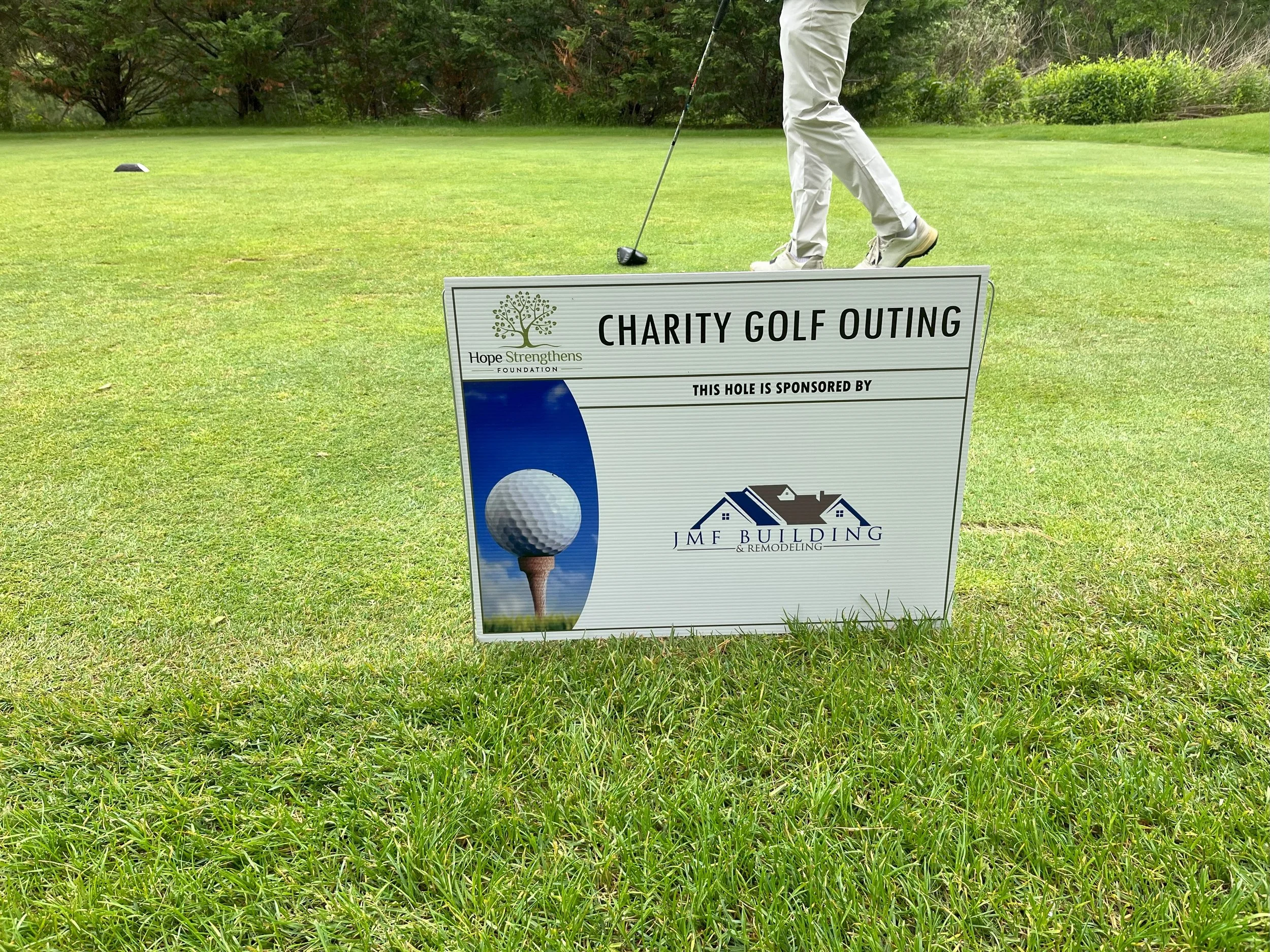
A hole sign bearing a golf tournament sponsor logo is placed on a tee box at a charity golf event.

Businesses in the home service industry are good candidates for golf tournament sponsorships.

5. Home Services

Most of your golfers likely live independently and can benefit from solid connections in the real estate world. Approach the following home services businesses to be sponsors:

  • Home builders

  • Architects

  • Real estate companies/agents

  • Home remodeling companies/contractors

How to Win Their Support

More than 90% of golfers own a home. These types of businesses jump at the chance to show off their properties and services at your golf event, perhaps with a tent on the course. Home builders and remodeling companies can showcase their work and high-quality materials, and real estate professionals have the opportunity to show off their listings and upcoming open houses.

6. Luxury Brands

As golf is commonly seen as a luxury sport, it makes sense that luxury brands and service providers would fit in at your tournament. Consider contacting:

  • Jewelers

  • High-end clothing brands

  • Local boutiques

How to Win Their Support

Similar to sports and fitness providers, these businesses would benefit from an in-kind sponsorship with your organization. An effective tactic is to use their in-kind gifts as high-end raffle or auction items, boosting donations for you and brand recognition for them.

7. Travel

The vast majority of those in the golfer demographic regularly take vacations and over half have purchased a vehicle in the past year, making these businesses hungry for exposure to this audience:

  • Car dealerships

  • Car services

  • Rental car companies 

  • Travel agencies

  • Hotels and resorts

How to Win Their Support

Beyond monetary sponsorships, consider approaching travel services for in-kind donations. Vacation packages, hotel or resort packages, travel vouchers, or even timeshares work well as raffle prizes or auction items.

Allowing sponsors the opportunity to engage with golfers or offer product demonstrations is a great perk to include in sponsorship packages.

Best Practices for Golf Tournament Sponsorships

Sponsorships are where your tournament will likely raise the most money. 

  • Offer multiple opportunities for support. Give businesses with marketing or philanthropy budgets of all sizes the chance to get involved with multiple sponsorship tiers or packages at varying price points.

  • Leverage digital exposure. Use your event management platform to provide digital sponsor exposure that guarantees impressions throughout the tournament’s lifespan, including every time a golfer registers for the event. There’s no overhead cost to your nonprofit, and sponsors love the added exposure.

  • Engage sponsors before, during, and after the tournament. Communicate with them as soon as they come on board, share updates as the tournament gets closer, recognize them during the event, and send a heartfelt thank you after the tournament concludes.

  • Report on ROI. Wow your sponsors by sending a report after the tournament that details each deliverable you promised, outcomes, impact stories, testimonials, and imagery to demonstrate the ROI of their support.

Perhaps the most important best practice is using a tech platform like GolfStatus to manage your tournament’s sponsorships. Prospective sponsors should be able to browse available packages on your dedicated tournament website, then submit payment and assets right through the platform. They start to earn impressions right away, and you’re not burdened with time-consuming back and forth to secure payment, logos, and messaging.

Master sponsorship management with a specialty solution

Book a Meeting With GolfStatus

Sample Golf Tournament Sponsorship Tiers

Your golf tournament’s sponsorship offerings should be customized to your event and organization’s needs. A good rule of thumb to consider when building sponsor packages is to look at your tournament’s hard costs and create a sponsorship that covers those costs and adds additional revenue.

How you price these packages depends on a number of factors, including the type of golf facility (public or private), the number of golfers, and the sponsor perks you’ll provide. It’s a good idea to offer sponsorships at varying levels, tiers, and price points to allow businesses with different budgets to support the event. Don’t be afraid to work with prospective sponsors to create custom sponsorship packages or themes that fit both the sponsor’s and your tournament’s needs.

Sponsor logos should always be included on your golf tournament website, earning them valuable impressions before, during, and after the tournament, as well as in the accompanying live scoring mobile app.

Title or Presenting Sponsor (often includes GolfStatus’ Technology Sponsorship)
The highest tier of sponsorship with the highest price. This sponsor should receive broad recognition on all promotional materials, throughout the tournament, and include one or more teams. Folding in the Technology Sponsorship adds additional value and robust exposure throughout the GolfStatus platform.
Gold / Silver / Bronze Sponsor
This tier of sponsor may or may not have hard costs associated with it and can be considered pure tournament revenue. The accompanying sponsor benefits should be enough to justify the business’ investment and often include one or more teams.
Pin Flag Sponsor
Pin flags not only give your tournament a professional feel, but they offer unprecedented visibility throughout the golf course. Sell separate front and back nine flag sponsorships or bundle them into one sponsorship for all 18 holes.
Food Sponsor (breakfast, lunch, dinner, snacks, etc.)
This sponsorship should cover the cost of the associated food and provide the sponsor’s logo on boxed lunches, banquet tables, snack packages, etc. An in-kind donation of food or beverage works well here (if the host golf facility allows outside food and beverage).
Hole-In-One Contest Sponsor
Hole-in-one contests offer premium exposure and associate the sponsor with a fun and exciting tournament component. Selling a sponsorship covers the cost of the hole-in-one insurance. Separate sponsorships can be sold for each contest hole, if desired.
Other Contest Sponsor
If your tournament includes contests such as putting, chipping, closest to the pin, or longest drive, you can significantly boost revenue by selling a sponsorship for each and allowing the sponsor to run the contest and engage with golfers.
Beverage Cart Sponsor
One of the most popular parts of any golf tournament is the beverage cart! Add a sponsor’s logo to the cart and offer them the chance to ride around the course and interact with golfers. The sponsorship could cover the cost of beverages, if desired.
Game Sponsor
On-course games add even more fun (and fundraising) to your tournament. You might sell a sponsorship for each game or a comprehensive games sponsor. Volunteers from the sponsor could be in charge of running the game.
Hole Sponsor (with or without a team included)
This is often an entry point for companies as they come at a lower price point and you can sell one or more for each hole. Signage on each hole, as well as their logo in the live scoring app, provides excellent exposure and a great experience for the sponsors playing in the event. Hole sponsorships can also include a team, if desired.
 

Sample Golf Fundraiser Sponsorship Packages

This free guide outlines three sets of golf tournament sample sponsorship packages, including pricing, benefits, and golfer registration costs. You’ll find examples for small, mid-sized, and large tournaments that you can adapt based on your tournament’s unique needs.


Get Exclusive Golf Tournament Sponsorships With GolfStatus

GolfStatus makes onboarding and recognizing sponsors simple. The platform includes exclusive sponsorships that help raise thousands more dollars for your cause. Nonprofits and organizations planning a golf event to benefit one can qualify for no-cost access to GolfStatus’ golf event management platform through the Golf for Good program. Click below to get qualified or email [email protected].


How to Host a Golf Putting Contest: FAQs & Best Practices
 

by Jen Wemhoff, Communications Manager at GolfStatus

On-course contests are where charity golf tournaments can come alive. A simple, engaging, and profitable option is a putting contest. With minimal setup, low overhead, and high participation potential, a well-run putting contest can generate meaningful dollars while giving golfers something extra to look forward to on tournament day.

An aerial photo of a golf putting contest on a practice green.

Whether you’re looking to boost revenue, attract sponsors, or create a memorable moment that brings everyone together, a putting contest checks all the boxes. Let’s break down the most common questions, popular formats, and proven best practices to help you host a putting contest that's easy to manage and hard to forget.

Table of Contents


Golf Putting Contest FAQs

What is a Golf Putting Contest?

A golf putting contest is a standalone on-course game held during a golf event such as a charity scramble, corporate outing, or club championship. It’s often held on the golf facility’s practice green and takes place before the shotgun start, during the tournament when teams play a hole near the practice green, or post-round as part of the awards ceremony.

Unlike the larger tournament, where total score matters, a putting contest tests golfers' short-game skills. Golfers pay an entry fee to participate in the contest and attempt to make a long-range putt or series of putts. Some tournaments hold contest rounds, with successful putts advancing to the next round to compete for cash or other high-value prizes.

Why Should We Host a Golf Putting Contest?

Putting contests have the potential to drive significant revenue from your charity golf tournament. Why? There are low to no overhead costs (golfers bring their own putters, and the golf facility provides the hole and golf balls, and you can source donated prizes), and entry fees drive fundraising. What’s more, a putting contest is a prime sponsorship opportunity, much like hole-in-one contests. The practice green is a high-traffic, high-value exposure point, boosting the value of a contest sponsorship.

A putting contest can also break up a long day on the course. A high-stakes contest finale held before dinner, awards, or auction draws a crowd, creating an electric atmosphere and a shared highlight that attendees talk about until next year's event.

A golfer putts on the practice green while three others watch during a golf putting contest.

What are Popular Golf Putting Contest Formats?

Guaranteed Prize

  • How it works: All participants line up at a pre-determined distance, perhaps 10 feet. Those who make it move back to another distance, like 20 feet, then 30 feet, etc., continuing until only the winner remains.

  • Pros: This format guarantees a winner and a prize awarded right then and there. It also has a very low barrier to entry for golfers and is fairly simple to run.

  • Cons: This type of contest can take 15–20 minutes to complete, so it must be scheduled carefully to not interfere with the rest of the tournament.

Cash Prize

  • How it works: A qualifying round is held to determine one finalist. That finalist gets one single attempt from 50+ feet (often 60 feet) for a large cash prize.

  • Pros: Offering a significant cash prize can draw in large crowds and more participants.

  • Cons: Insurance is a must, and it can take a while to process the claim.

Other Variations

  • Putt a prize. Various prizes are placed on the practice green, and golfers win the prize if their putt hits it or stops within a certain distance.

  • “Pig” or “Golf”. Similar to the basketball game, where one player sets up a putt and makes it, and others must replicate the putt or get a letter.

  • Team relay. Team members must sink a putt from certain distances (such as five feet, 10 feet, 20 feet, etc.) in succession. The team with the fastest time wins.

What Else Should I Know About Golf Putting Contests?

  • If you’re interested in offering cash or non-donated prizes, you might consider putting contest insurance, which comes with a cost. A more cost-effective option is to secure donated prizes from sponsors, local businesses, or partners.

  • Use your golf tournament website to sell entry into the putting contest. You can sell entry as a standalone item or bundle it with other tournament add-ons, like raffle tickets or mulligans. Sell entry ahead of the event, as well as at check-in, to maximize participation.

  • Publicize the contest on your event website and in promotional campaigns. Highlight prizes, how much it costs to enter, and when the contest will take place. Be sure to give a shoutout to the contest sponsor when applicable.


How to Host a Golf Putting Contest

1. Choose the Right Format

Step one is to decide if the primary goal of a putting contest is high-margin fundraising or high-energy entertainment. If you need to raise money without any overhead, a guaranteed prize is a good option. If you want to make a big splash, an insured $10,000 contest might be the better choice.

2. Secure the Location & Schedule

Putting contests are most commonly held on the practice green before the start of the golf tournament. If there are multiple practice greens, choose the one closest to the clubhouse or outdoor bar. The easier it is for spectators to grab a drink or a bite to eat and watch, the larger your crowd (and the higher the energy) will be.

If you have the contest on the practice green during the round or at the turn, there’s a risk of creating a bottleneck. Choose a rapid-fire format to prevent backing up the entire tournament. You might also consider hosting finals at the end of the day for a climactic finale to the event.

An aerial photo of a practice green where a golf putting contests can be held.

3. Lock Down Logistics

If you’re utilizing putting contest insurance, you’ll likely have to abide by various requirements, which might include:

  • Exact putt length. You’ll be required to measure the putt’s distance to the exact inch using a surveyor’s tape.

  • Contest witness. You’ll need to train a witness—either a volunteer, staff member, or planning team member—to watch all of the putts to ensure all of the rules were followed. For high-value prizes, you might need to submit video footage of the putts for verification.

  • Standardized equipment. You may need to provide the golf balls and even the golf clubs for the contest.

You’ll also need to determine other contest logistics, such as:

4. Price It Right

  • Sell contest entries on your tournament website. This keeps all tournament funds in one place to simplify post-event accounting and eliminates the need to pay with cash for day-of entries.

  • It’s a good idea to bundle the putting contest with other add-ons to boost revenue. A combined ticket that includes contest entry with add-ons like on-course games, mulligans, or raffle tickets creates a higher perceived value that can drastically increase participation rates. You might also give golfers the opportunity to buy a second or third qualifying attempt for half the price.

  • Sell the Putting Contest Sponsorship as an opportunity for the sponsor to set up a tent, have hole signage, hand out swag, and personally interact with every golfer.

5. Create a Fun Atmosphere

The right emcee and commentary transform the putting contest into a spectator sport. Enlist a volunteer to serve as the contest emcee. Provide a microphone (check with the golf facility) to announce finalists, crack jokes, and build excitement.

Since making a 50-foot putt is a rarity, it’s a good idea to have a backup activity to keep the mood high. That way, if the finalist misses, you can pivot to a "Closest to the Pin" chip-off or a raffle draw for a smaller prize or gift so the event ends on a high note.

6. Follow Up After the Contest

  • While the contest and excitement are still fresh, announce the winner (if applicable) at the awards ceremony or dinner. Play a video of the winning putt on a projector to engage those who may have missed it.

  • Ensure the sponsor is front and center for the check presentation or to award the prize. Even if the big cash prize wasn't won, a photo of the finalist and the sponsor shaking hands is valuable content to use to promote next year’s event.

  • Send a "thank you" text or email to contest participants or the entire field with a link to next year's early-bird registration, building on the excitement from the contest.


Final Thoughts

A golf putting contest is a high-impact add-on for your next golf tournament. It’s flexible, cost-effective, sponsor-friendly, and when done right, creates a buzz that carries through to marketing next year’s tournament. By choosing the right format, handling the necessary logistics, pricing entries strategically, and leaning into the entertainment value, you can turn the contest into a major fundraising and engagement win.

If you’re ready to put these ideas into action, the next step is simplifying how you manage your contest—and your golf tournament as a whole. Using a purpose-built golf tournament management platform like GolfStatus makes it easy to sell entries online, bundle add-ons, track participation, and keep everything organized in one place—so you can focus on creating an exciting experience.

Make Your Next Golf Event a Swinging Success!

Book a Meeting With GolfStatus to Get Started

About the Author

Jen Wemhoff - Communications Manager at GolfStatus

Jen Wemhoff accidentally discovered her passion for nonprofits in college. An internship while earning a degree in Communications from Doane University led to a 20 year career in the nonprofit sector, where she found a strong desire to be part of something bigger than herself. Her vast nonprofit experience includes roles in marketing, fundraising, and direct programming. When Jen came to GolfStatus as Communications Manager in 2020, she was struck by the power of the sport to raise money to power nonprofit missions. She tells GolfStatus’s story across platforms and channels and develops educational tools and resources to help nonprofits tap into golf’s giving power. Jen, her husband, and two daughters call Lincoln, Nebraska home.
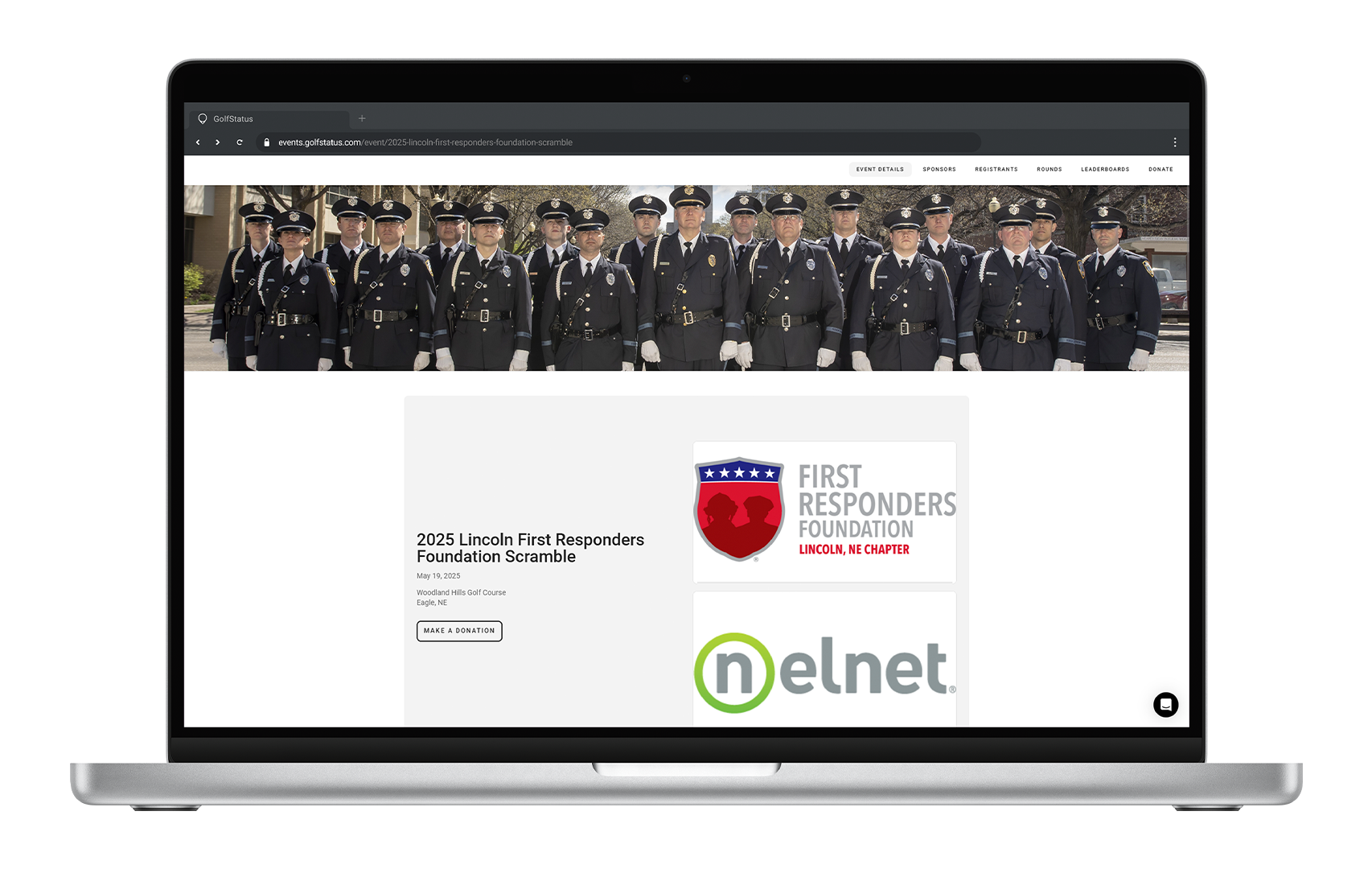
 
 
A Q&A With PGA Professionals: Choosing a Date & Format
 

Our PGA Q&A blog series leverages the knowledge, experience, and expertise of GolfStatus’ in-house PGA Professionals: Cash Dinkel, PGA and Jason Meininger, PGA. This series installment dives into two topics that play a critical role in a tournament’s success: choosing a date and tournament format.

A headshot of PGA Professional Cash Dinkel

Cash Dinkel, PGA

A headshot of PGA Professional Jason Meininger.

Jason Meininger, PGA


Q: What are some things tournament organizers should think about when choosing a time of year for an event?

Cash Dinkel: Big things are weather, daylight, and what else is happening in your community. You want a window where people can actually commit, the course is in good shape, and you’re not fighting holidays, school schedules, or peak vacation weeks. And if you’re trying to maximize sponsorships and attendance, avoid dates where every other nonprofit in town is doing the same thing.

Jason Meininger: I would avoid holidays, like the Fourth of July and Labor Day. I would also probably stay away from the warmest month in your area (July is usually the warmest month where we are in Nebraska) to avoid the heat, unless you play early in the day.

Q: How about choosing a day of the week?

Cash Dinkel: It really comes down to your audience. If it’s corporate-heavy, weekdays are usually easier because people can justify it as a work/networking event. If it’s more community/family-driven, Fridays and weekends can work, but weekends are harder for courses and sometimes harder for golfers who already have plans. Price and course availability are also factors. Weekends are premium times for the courses, which could lead to a higher per-player cost. Private courses may only be available on Mondays, when they are typically closed to their members.

Jason Meininger: In my opinion, it really boils down to cost. It’s more than likely going to be cheaper to have your event on a weekday versus a weekend.

One golfer putts while three watch at a charity golf tournament.

Tournament organizers should consider their audience, price, and course availability when choosing a date for their golf event.

Q: What’s your favorite day of the week to play in a charity golf tournament?

Cash Dinkel: I personally love a Friday or Monday event. It’s an easy excuse to take a long three-day weekend, and then it doesn’t typically interfere with any weekend plans or activities that my family may have.

Jason Meininger: I prefer a Friday afternoon tournament, if the course allows it. That way, golfers can work a half day before leaving to play in the event.

Q: What was your favorite day of the week to hold an outside outing at your golf facility?

Cash Dinkel: My favorite day to hold outside outings at my facility was Monday. Monday was perfect because we were closed for normal play, so the event wasn’t interfering with our day-to-day golfers at all. We also usually saw strong participation on Mondays, which gave the whole day a really high-end vibe. And since everyone has to work the next day, those Monday outings typically start early and wrap up earlier, too. The day moves well, keeps the pace in check, and makes sure the golfers are having fun… but not get out of hand!

Jason Meininger: When I was at golf facilities, I preferred to have them on Mondays. That was usually the slowest day of the week, so it was an opportunity for the course to generate additional revenue.

Q: What are generally some of the busiest times of year at a golf facility?

Jason Meininger: Specifically in northern states, you’ll see things start to pick up in April and go through October to November; it’s similar in Canada. In the southern states, March to June are busy, things taper off in the hot summer months, and peak again in the fall through early to mid-December. Places like Florida, California, and Arizona see golf events year-round due to their warm climates.

Cash Dinkel: In most places, it’s late spring through early fall, basically when the weather is consistent, and the course is in really good shape. For most of the U.S., late May through September is usually the sweet spot, and then you’ll also see random spikes around holiday weekends and peak summer travel windows.

Golfers pose for a photo at a charity golf tournament.

Late May through September are prime times of year for charity golf fundraisers.

Q: In your experience, what is the most popular day of the week for charity golf tournaments?

Cash Dinkel: Friday is usually the busiest for charity outings. A lot of groups like the “play golf and roll into the weekend” vibe, and it’s an easy sell for teams and sponsors.

Jason Meininger: It really varies, but I would say Friday or Saturday are the most popular, then Monday (especially at private facilities).


Q: What are the most common tournament formats for golf fundraisers?

Cash Dinkel: The most common ones I see are a four-person scramble, shamble, and best ball/four-ball. Scrambles are the go-to because they keep the pace moving, they’re fun for every skill level, and they help you sell teams and fill a field without scaring off the casual golfers.

Jason Meininger: I would say over 90% of the events we work with at GolfStatus are a four-person scramble format. It really works well to attract casual and avid golfers.

Q: What are some other tournament formats you’ve run into?

Jason Meininger:

  • Best ball: Each player on a team plays their own ball throughout the hole. After the hole is completed, the lowest score or scores are recorded for the team total.

  • Individual: Each golfer plays their own ball, and each player records a score.

Cash Dinkel:

  • Chapman/Pinehurst: Both players hit, swap balls, then alternate shots.

  • Alternate shot: Each team has one ball, and golfers take turns taking shots. It’s definitely harder, but fun for competitive groups.

  • Stableford: This format has points-based scoring and encourages aggressive play.

  • Skins game: Each hole is its own prize, and ties carry over. There’s usually a cash prize for winning each hole.

  • Ryder Cup-style: Teams compete across multiple formats like best ball and alternate shot.

Three golfers on a green at a golf course in the foreground, with four golfers in the background.

Scrambles are a great choice for charity golf events because they appeal to golfers of all skill levels and keep play moving.

Q: What format do you typically recommend for charity golf tournaments, and why?

Jason Meininger: Hands-down, a four-person scramble. A scramble allows people of all skill levels to participate a little or a lot based on their skill level.

Cash Dinkel: By far the best option is a four-person scramble. It’s the easiest format to understand, it keeps golfers in a good mood, it helps pace of play, and it’s the best setup for fundraising add-ons like mulligans, string, throw-a-ball, and all the fun stuff that helps drive more dollars.

Q: Does live scoring work for any tournament format?

Jason Meininger: GolfStatus’ live scoring app works for about 90% of formats, including scrambles. We can create a live leaderboard for almost any format. There are a few more complicated formats that it isn’t able to live score.

Cash Dinkel: Most of the time, yes. Live scoring works great for scrambles, shambles, best ball, and even Stableford if you’ve got it set up correctly. It gets a little trickier with complex formats like Ryder Cups, member-guest, and round robin style formats, but for the typical charity event formats, it works super smoothly.


Ask the Pros!

Do you have a question for GolfStatus’ PGA Professionals? Email it to [email protected] with “PGA Pro Question” in the subject line, and it might be featured in a future blog post or an upcoming GolfStatus webinar!

Planning a golf tournament? You can get started with GolfStatus at no upfront cost—get an event website, online registration, communication tools, premium digital sponsor exposure, revenue-boosting add-ons, and more, plus access to GolfStatus’ responsive in-house client success team (including knowledgeable PGA Professionals and Fundraising Specialists). Click the button to book a meeting and learn more.