by Jen Wemhoff, Communications Manager at GolfStatus
Not every sponsor can financially support your charity golf tournament. While monetary sponsorships are important, in-kind donations can open the door to a whole different set of supporters. These contributions stretch your event budget while adding real, tangible value to the golfer experience.
Think about it—a local sporting goods store donating golf balls for player gift bags, a hotel offering a weekend stay for your auction, or a print shop covering the cost of the event banners. None of that requires businesses to get out their credit card or checkbook, but it all adds up to real savings for your organization and real excitement for your golfers on tournament day.
If you haven’t built in-kind donations into your sponsorship strategy, here’s what you need to know, plus a closer look at where they can make the biggest impact for golf events.
Frequently Asked Questions About In-Kind Donations
What are in-kind donations?
In-kind donations are any contribution that isn’t cash, like goods, services, or expertise, given in place of a monetary gift. These donations are especially attractive to businesses because they don’t require juggling budgets or considering cash flow to make them happen. A company might have excess inventory it’s looking to move or may have already allocated its charitable budget for the year but still want to support your cause. In-kind donations give them an easy, low-friction way to say yes when a financial contribution isn’t possible.
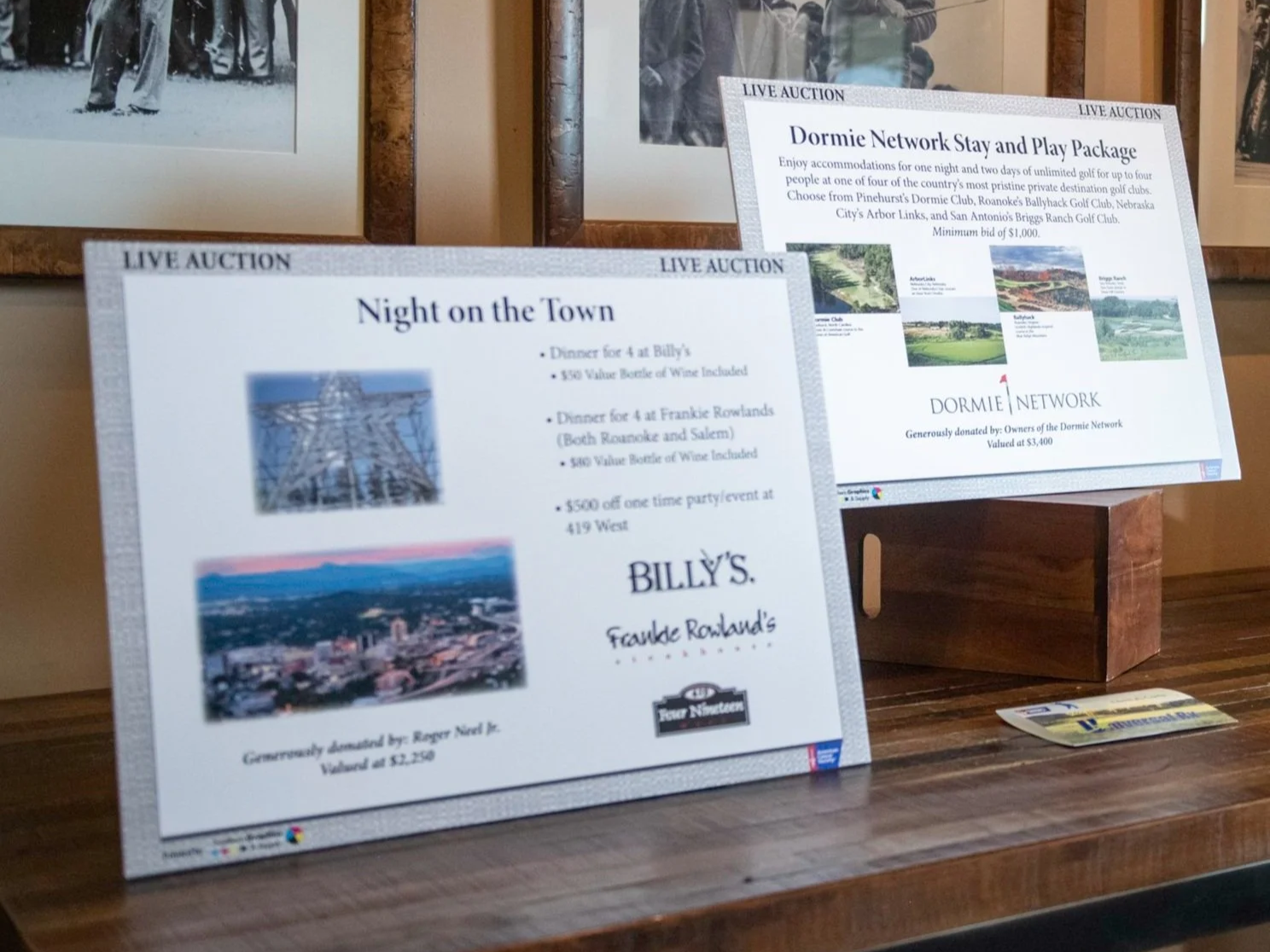
In-kind donations for your golf tournament can be any gift that isn’t monetary—like goods, services, or expertise.
How Can I Use In-Kind Donations for My Golf Tournament?
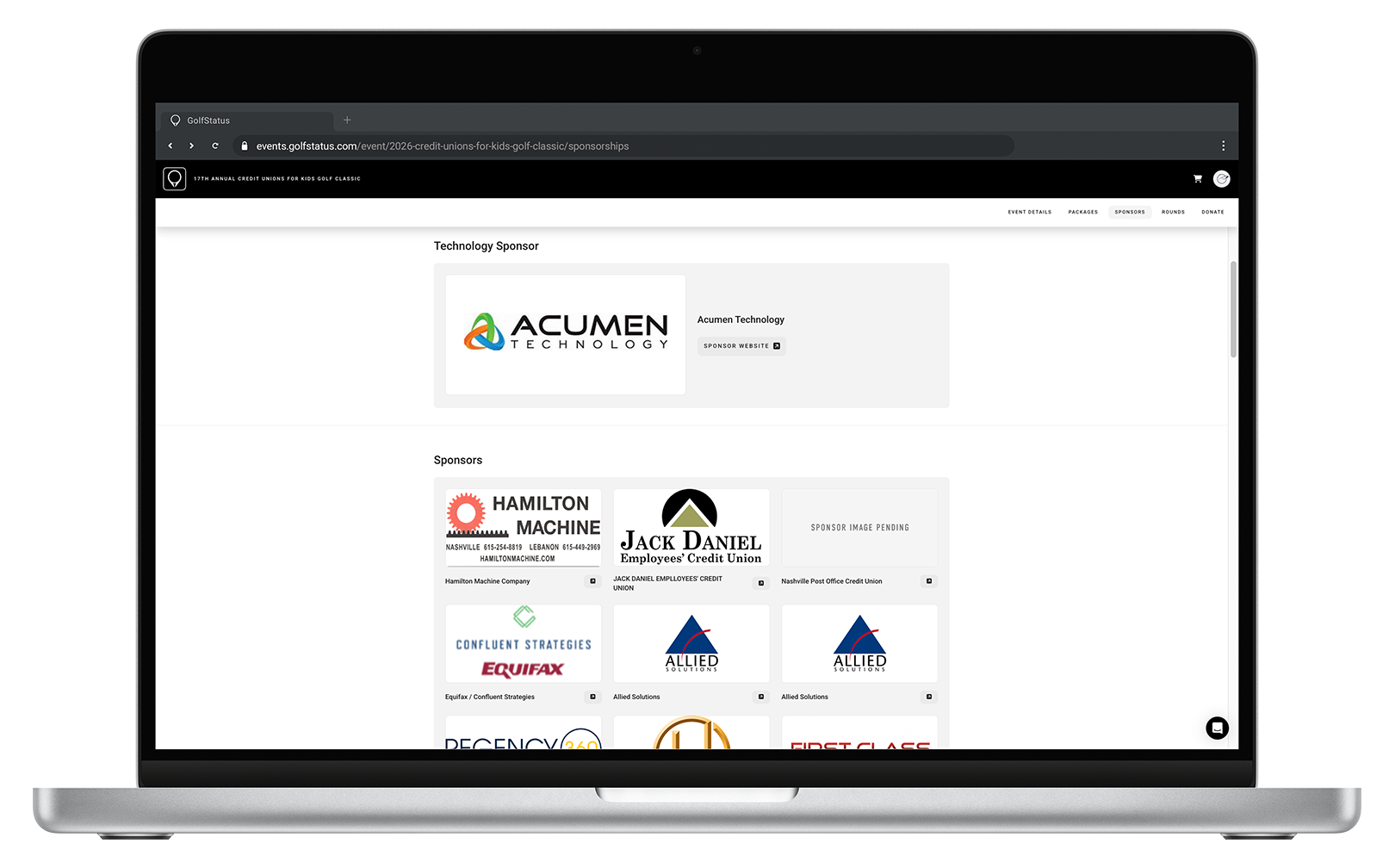
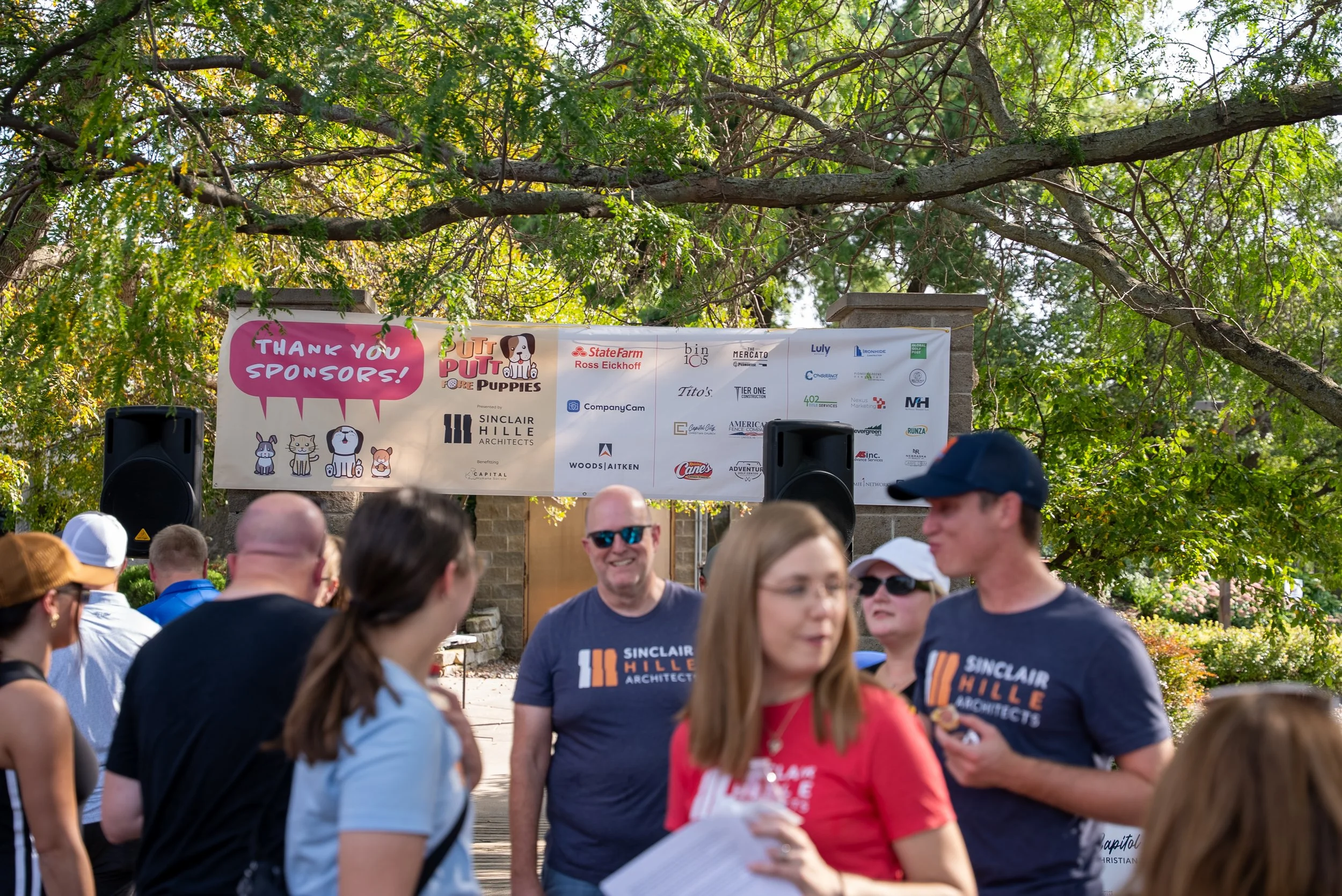
In-kind gifts can show up almost anywhere in your tournament, from player gift bags to auction items to the food and drinks served on the course or after the round. It’s important to keep in mind that in-kind donations can still be considered sponsorships, particularly if they have a significant monetary value; they’re simply paid in goods or services instead of dollars. These contributions deserve the same level of recognition as other sponsors. For example, if a restaurant donates boxed lunches, recognize them on your event website and printed materials as the Lunch Sponsor.
How Can In-Kind Donations Help Raise More Money From My Golf Tournament?
In-kind donations often replace tournament items you’d otherwise have to pay for out of your event funds. Instead of spending hundreds or thousands of dollars of tournament revenue on hard tournament costs, they’re covered by the in-kind gift, leaving more dollars for your cause
Some in-kind gifts, like high-end auction items or attractive player gifts, might even help drive more registrations, filling your field and boosting overall revenue. Most commonly, in-kind donations show up as raffle prizes, pin prizes, player gifts, and auction items, but the possibilities go well beyond that.

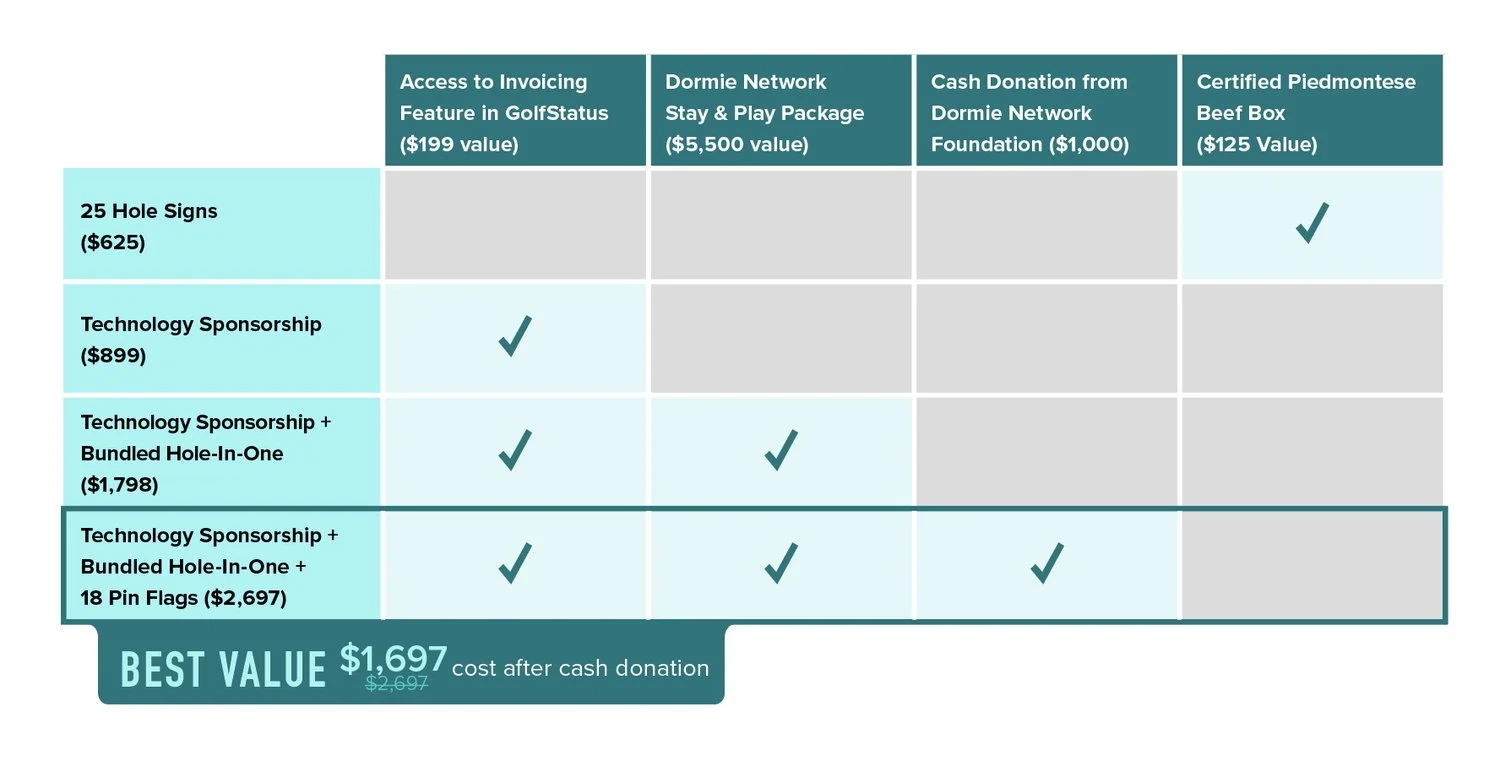
is committed to supporting nonprofits by offering in-kind donations of national golf membership and Stay and Play Packages. These high-end donations can help raise thousands of dollars for your cause.
How Do I Ask for In-Kind Donations?
Approach in-kind asks the same way you would any other support request: make a formal, specific ask, and follow up if you don’t get a response. Start with businesses your organization already has a relationship with for the best chance of a response, but don’t be afraid to make cold asks, too. If a business turns down a monetary sponsorship, shift the ask to any in-kind contribution instead.
Pro Tip:
Consider reaching out to the sponsors who are already committed to see if they have any promotional items they would be willing to donate for player gift bags or raffle items. They get additional exposure, and you get another chance to boost revenue.
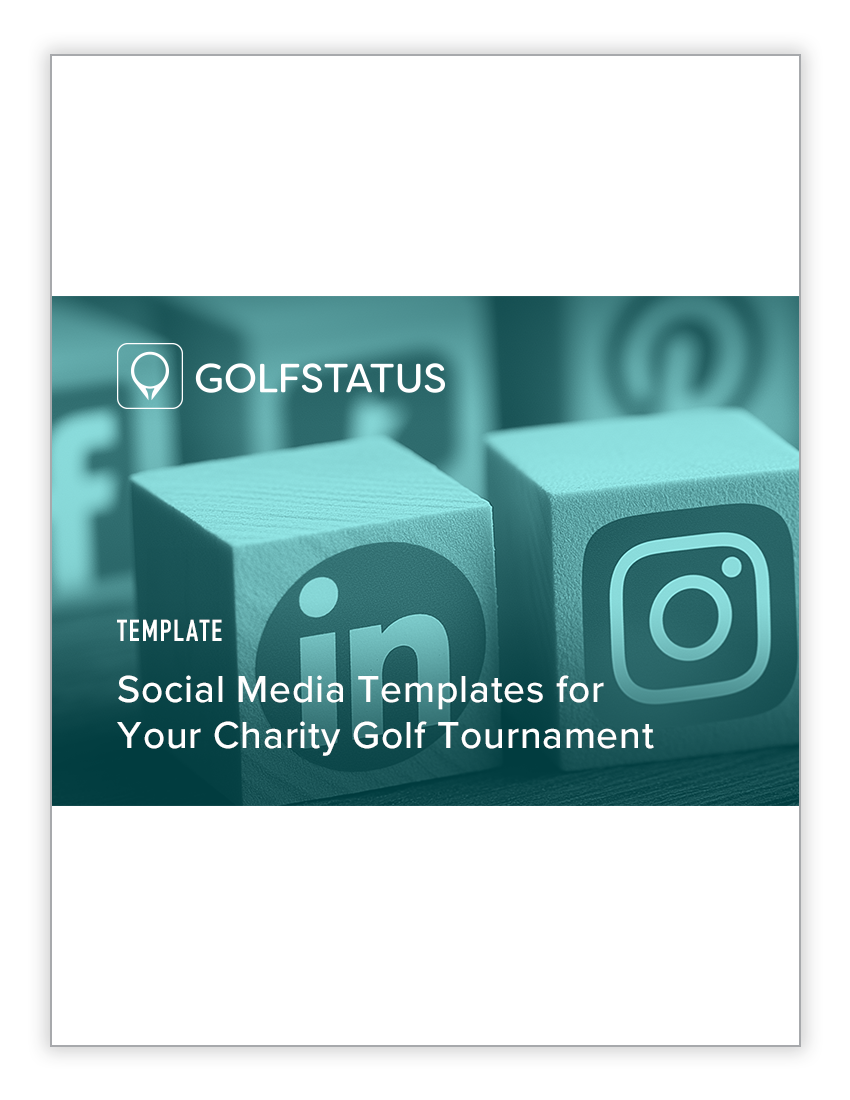
SPONSOR REQUEST & FOLLOW UP Template
If reaching out to prospective golf tournament sponsors feels daunting, don’t stress! These customizable templates are ready-made starting points for your event.
Golf Tournament In-Kind Donation Ideas
Once you know in-kind gifts are on the table, the next question is where to put them to work. Here’s a closer look at the areas where they tend to have the biggest impact, along with examples to help you decide which businesses and corporate partners to approach.
Player Gift Bags
Gift bags are one of the easiest places to start, since most businesses have some kind of branded product on hand and available. Even small items add up to a gift bag that feels far more valuable than its actual cost to your organization.
A golf shop might donate tees, ball markers, golf balls, or divot tools
A local restaurant or brewery might donate koozies, bottle openers, or free drink vouchers
An apparel store might donate hats, sunglasses, or T-shirts
Pin and Contest Prizes
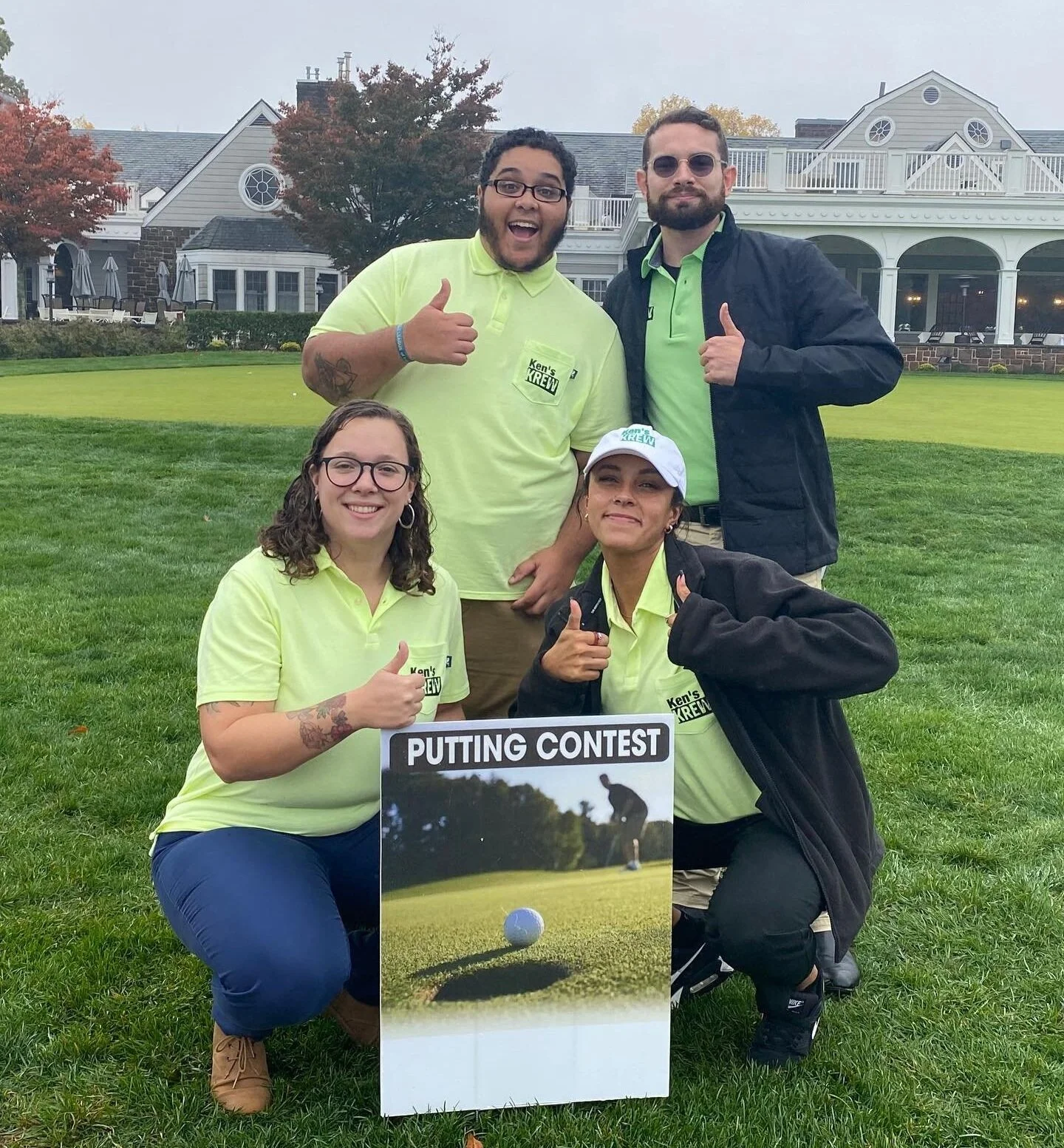
Pin prizes and on-course contests are a natural fit for in-kind donations. They double as a marketing opportunity for the donor, whose brand is seen at the hole the entire day. They can also be a draw for golfers!
A sporting goods store might donate a golf bag or putter for a closest-to-the-pin contest
A car dealership might sponsor a hole-in-one contest and the prize of a new car
A retailer might donate gift cards for a longest drive or putting contest
The pro shop at the golf facility might donate apparel, gift cards, or free rounds for on-course game winners
Auction and Raffle Items
Auctions and raffles are where in-kind gifts really shine. When items are donated through an in-kind gift, there’s no overhead cost to your organization—meaning more funds go to your cause. Local businesses of all sizes can contribute here, from electronics to experiences, and each item gives golfers another reason to open their wallets for your cause.
A resort or hotel might donate a weekend getaway
A restaurant group might donate a bundle of gift cards
A spa might donate a package of services
A coffee shop might donate branded coffee mugs and bagged coffee
A liquor store might donate bottles of nice wine
A local artist might donate a framed print or photograph
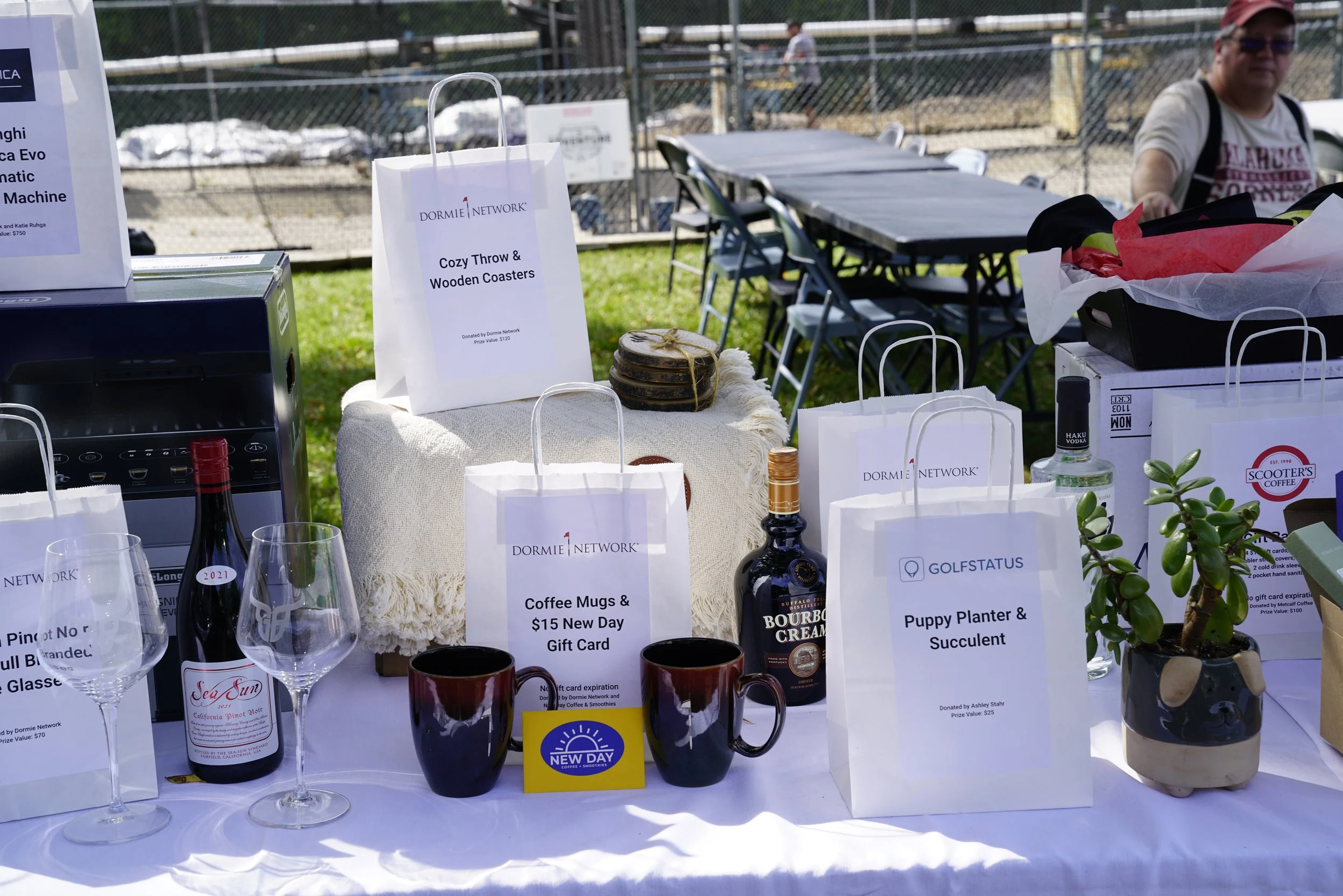
Raffle prizes and auction items are a great use of in-kind donations, driving pure revenue for your mission.
Food and Beverage
Feeding a field of golfers is one of a tournament’s biggest expenses, which makes it a prime target for 1. a monetary sponsorship or 2. in-kind support. In exchange, recognize them prominently—on your event website, at the bar, and in your program—as the corresponding sponsor.
A caterer might cover the post-round meal
A brewery or distributor might donate kegs or bottles for the course or reception
A grocery store might donate snacks at the turn
Professional Services
Not every in-kind donation is a physical item. Expert services can help elevate your golf tournament, save your organization real money, and often come from businesses that perhaps wouldn’t have otherwise considered sponsoring your event.
A design agency might donate logo work or event branding at no cost
A local PR firm might help distribute your press release or handle media outreach
A local marketing agency might help with advertising campaigns
A print shop might donate the cost of banners or programs
Final Thoughts & Next Steps
A well-rounded approach to in-kind giving can touch nearly every part of your tournament, cutting costs while giving golfers and sponsors more to get excited about.
When you’re ready to ask, be specific about what you need. A vague “any donation helps” can result in items your event (or organization) can’t use, while a specific request like “144 ball markers for player gift bags” is much easier for businesses to evaluate and say yes to. You might also list open in-kind opportunities directly on your event website, so interested businesses can see exactly what’s needed and sign up on their own.
In-kind donations can’t replace your tournament’s cash sponsorships, but they’re one of the easiest ways to stretch your budget, forge relationships with local businesses, and give golfers more to look forward to on tournament day.
Raise More Money With GolfStatus
GolfStatus’ exclusive sponsorships, built-in fundraising tools, and tournament add-ons can help you raise more money for your cause. Plus, the platform’s time-saving automations and tournament management tools ensure you spend less time dealing with spreadsheets and bouncing between platforms and more time stewarding donors, selling sponsorships, and making your tournament unforgettable. Click below to get started with GolfStatus at no upfront cost and get a free event website in less than a week.