How To Attract Golfers to Your Charity Golf Tournament
 

by Jen Wemhoff, Communications Manager at GolfStatus

There’s no nonprofit fundraising event quite like a charity golf tournament. It’s a fun, social event that not only raises money, but boosts awareness for your organization and cause, forges or strengthens partnerships, fosters corporate support, and broadens your donor pool.

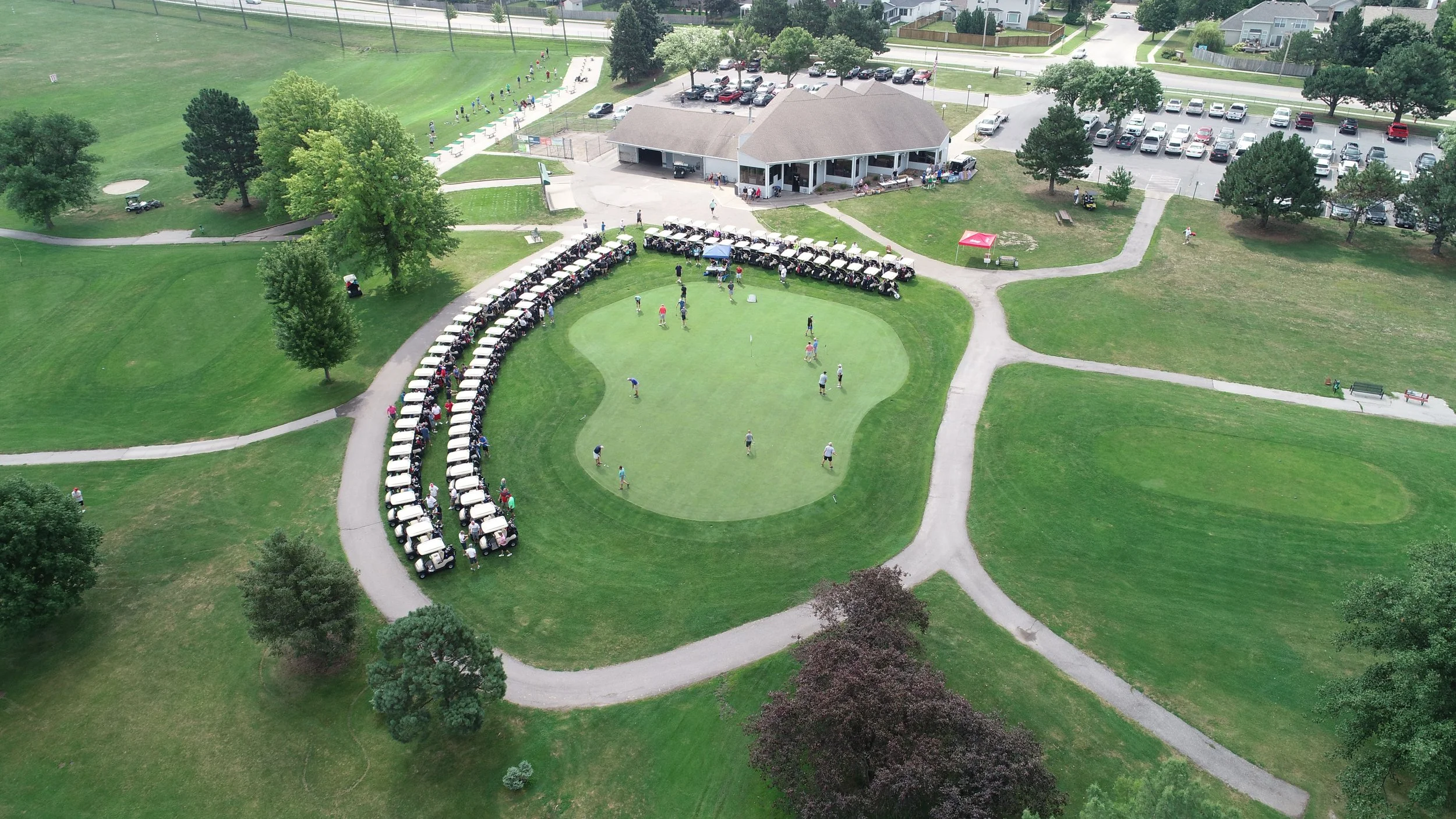
Golf carts are lined up at the start of a charity golf tournament.

Because golf tournaments have so much potential to move nonprofits forward, it’s in your best interest to attract as many golfers as possible to play in your event. Here are 11 quick ideas to get golfers interested in your tournament.


1. use an event website

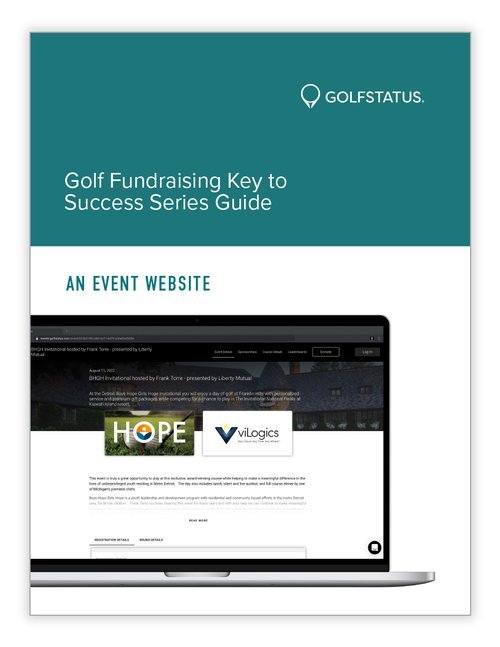
If there’s one non-negotiable for a successful golf tournament, it’s an event website. You’ll meet people where they already are—online—to share information about your tournament and what you’re raising money for in a professional manner. Share the link in all your promotional materials to drive traffic to the website where they can commit as soon as they hear about the tournament.
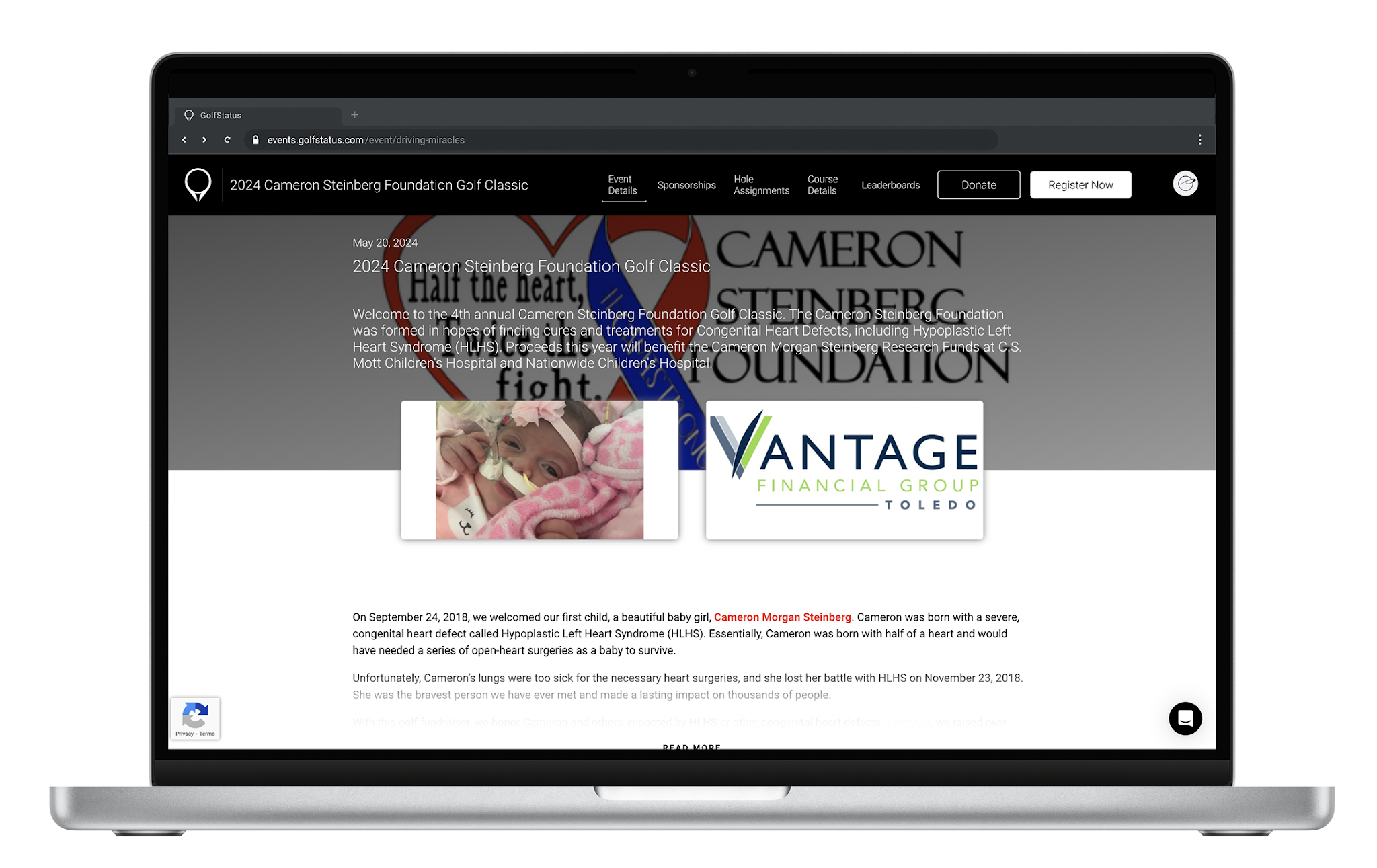
The Cameron Steinberg Foundation golf tournament website is displayed on a laptop.
 

2. make registration as easy as possible

Online registration is the standard for events these days, and golf tournaments are no different. It’s quick, convenient, and saves everyone—organizers and golfers alike—time and hassle. Everyone is busy, so an event site equipped with a simple registration checkout process is key to getting them on board. Be sure that the website is mobile-friendly so golfers can register right from their phones!

3. make it irresistible

It starts by understanding your target audience and what would appeal to them. Would they be interested in golfing at (and paying the corresponding registration fee) a high-end, private club? Or is a public course with a lower registration fee more appealing? Both can be a draw for golfers, depending on your supporters’ preferences. Attractive prizes, memorable add-ons, alternative or inclusive formats, and fun contests also go a long way toward getting golfers to say “yes” to your event, so highlight these throughout your promotions.

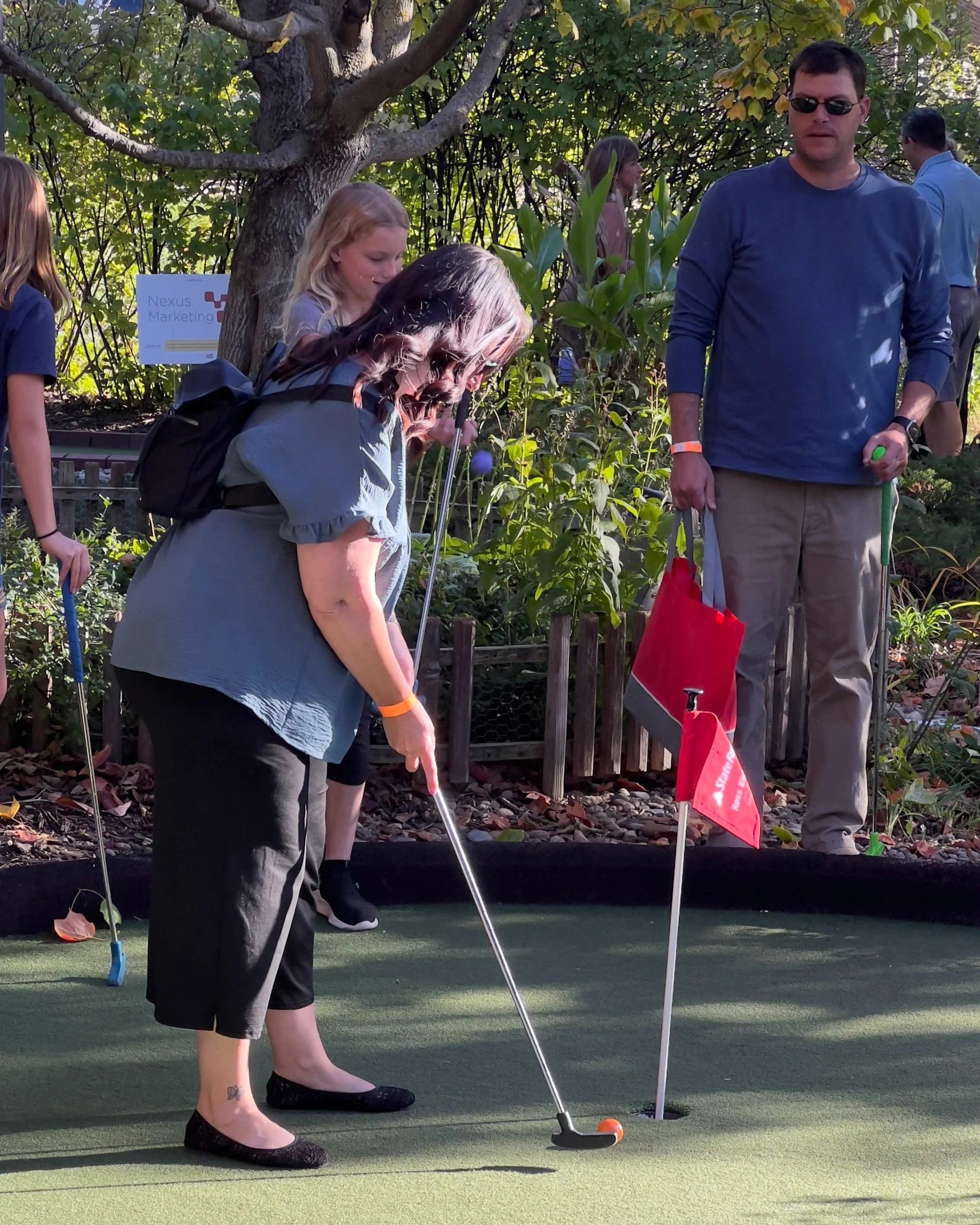
A golfer at a mini golf tournament his the ball toward the hole.
 

4. get in touch with past event participants & supporters

If yours is an existing event, start with past golfers. Invite them to come back and play in support of your mission. You might offer a special discount code or registration rate for returning players to sweeten the deal. If you’re getting a new golf event up and running, reach out to past participants in other events your nonprofit has held or participated in. Ask your loyal supporters to share the word about the upcoming golf tournament. You might provide some copy/paste verbiage or social graphics they can use on their personal channels.

5. leverage sponsors & other partners

Sponsors are a major part of your golf tournament’s success. Leverage their participation and networks to help attract players. Sponsors and businesses will often use charity golf tournaments to entertain clients, woo prospects, network, and even reward employees, so it makes sense to build a team or two into some of your sponsorship packages. Not only does this add value, but it also helps fill your tournament’s field in the process. You might also consider providing promotional assets (logos, verbiage, graphics, etc.) to your sponsors and invite them to share them on their social media platforms and with their employees.

Golfers sit at tables for dinner and to network after a charity golf tournament.
 

6. get your board & planning teams involved

Ask each member of your nonprofit’s board and tournament planning committee to think of five to 10 contacts they’ll invite to play in the event. This bite-sized request makes it easy for them to follow up and broadens your pool of potential golfers. Set them up for success with talking points or email templates to help with their outreach.

7. send promotional emails

Email marketing is a cost-effective way to cast a wide net of potential golfers. Start with a save-the-date email to last year’s golfers and sponsors and/or your nonprofit’s email list as soon as you finalize the date and course. Send strategic reminder emails at intervals leading up to the tournament date. Consider adding an early bird registration period or a registration closing date to help create urgency among potential participants and get them to commit earlier.

8. use social media effectively

Social media is another cost-effective promotional vehicle for your event. Utilize your nonprofit’s presence to drive registrations via your event website. Create a Facebook event and make your planning team co-hosts so they can invite their networks to register and widen your reach. Tap into Facebook groups—there are often groups strictly for sharing nonprofit fundraising events, golf tournaments, or community events. If you have a few dollars to spare, consider a limited paid ad campaign that targets a specific geographic area or interests. If you spend even $100, but get one or two teams to register as a result, you’ve gotten good ROI!


using social media to amplify your golf fundraiser

Download this free guide to find out how to leverage social media to make the most out of your charity golf tournament and raise the most money possible for your cause!


9. Promote it to your community

Your community likely has event boards, community calendars, or other similar avenues to promote local events. Submit your tournament to such channels, and consider reaching out to local television and radio stations with a press release or an ask to list on their website. Use community gathering spots such as grocery stores, coffee shops, libraries, community centers, gyms, churches, or other locations to post flyers (with a QR code that links to your event site) advertising your tournament. The host golf facility may be willing to post flyers in the clubhouse as well, so don’t be afraid to ask!

10. leverage your tech stack

When you use GolfStatus to host your golf tournament website and manage your event, your tournament reaches tens of thousands of avid golfers in your area who actively look for local charity tournaments to play in. Your event will be listed on events.golfstatus.com as well as on the GolfStatus mobile app, helping you reach new golfers—and potential new supporters.

A website listing golf tournaments that use GolfStatus is displayed on a laptop. A mobile device showing an golf tournament event site is next to it.
 

11. connect golfers to your cause

Be sure to help golfers understand 1. what they’re supporting by playing golf and 2. the impact of their participation on your work. Use your event website to help tell the story, and build in elements of cause connection to your tournament to help golfers get a tangible understanding—such as one team registration feeds a shelter pet for a month—of how they’re helping move your mission forward. You might use banners, signage, displays, guest speakers, beneficiary testimonials, or elements of on-course games to drive home the goals of the tournaments.


No-Risk, No-Cost Tech for Your Next Golf Event

No matter if you’re holding your first golf tournament or your twentieth, you need a golf-specific event management tool to make your life easier. GolfStatus’ robust platform is built to handle the unique needs that come with a golf event, like team pairings, hole assignments, handicaps, and more. Built-in fundraising features and exclusive revenue-boosting add-ons and sponsorships help raise more money for your cause, while automations and our industry-leading support team help save you time and effort. Best of all, nonprofits can qualify for a free event website and no-cost access to the GolfStatus platform through the Golf for Good program. Click below to learn more and get qualified!

Ready to get started?

Click here to get qualified to use GolfStatus at no cost!


Booster Club Supports Growing Golf Team With a Golf Fundraiser Powered by GolfStatus
 
An image of four members of the Klein High School Golf club posing on a golf course.

The Klein High School Golf Booster Club helps fill the funding gaps between what the school provides and what the student athletes need to be successful.

Partner Snapshot

Golf may not be the biggest thing in football-focused Klein, Texas, but the boys and girls golf teams are talented, passionate, and growing. “The kids get so much out of being on the golf teams,” says Andrea Vickers, president of the Klein High School Golf Booster Club’s board. Klein High School provides some funding for the teams, but unfortunately, doesn’t have the budget to fully subsidize all the teams’ expenses and needs.

That’s where the Golf Booster Club comes in. The club wants to make sure any student who wants to play golf for the BearKats has the opportunity to do so and has the tools and equipment needed to be successful. The combined team of nearly 30 student athletes is becoming more competitive in local and regional tournaments and getting more kids excited about golf.

The Challenge

Filling the funding gap between what the school provides and what the student athletes need requires significant dollars. “Golf teams can’t just go play in the school gym or football field,” Andrea says. “We have to go to area golf courses and that gets expensive.” Other team expenses include entry and travel costs for tournaments, plus greens fees for practice rounds, uniforms, and balls for each golfer. 

Three years ago, the booster club decided to launch a golf tournament as the best option to raise as much money as possible. The first tournament was successful in terms of dollars raised, but the time and administrative burden on Andrea, her husband, and the rest of the planning team was significant. “We’re all busy parents who work full-time and shuttle kids to and from activities, so we really needed to get away from manual, time-consuming processes,” Andrea says. They used an online platform to manage registrations, but one that required much more time and attention than the team had to give. “It was loosely organized chaos!” Andrea says.

The Solution

After receiving emails about GolfStatus, Andrea connected with Account Manager Ken Boatman close to the inaugural event. “We were already in too deep with another platform to make the switch at that point, but loved what GolfStatus had to offer,” she says. GolfStatus’ no upfront cost through the Golf for Good program was especially appealing, along with an in-house support team, one-of-a-kind sponsorships, and time-saving automations. Soon after that year’s tournament, Andrea and her team saw a full demo and were excited about making the switch to GolfStatus’ tournament management software for the tournament’s second year in 2023. Klein Golf Booster Club qualified for the Golf for Good program, which gave them full access to GolfStatus’ software at no upfront cost. 

An image of golfers in golf carts lined up, ready to start the round at a charity golf tournament.

The Booster Club launched a golf tournament to help raise funds to cover costs like travel fees, tournament entry, and equipment.

The Results

In 2023, the second annual BearKat Golf Classic raised just shy of $20,000, with a goal to surpass that in 2024. In the event’s first two years combined, enough money was raised to purchase a golf simulator for indoor practice, which, in a rain-prone area, was a necessity to help golfers compete with other larger schools.

Just as importantly, using GolfStatus has lessened the burden in prep and planning for Andrea and everyone involved. “GolfStatus made everything so much easier! The tournament was less of a hassle and less stressful,” Andrea says. The staff at the host golf facility, Windrose Golf Club in Spring, Texas, were just as pleased with the platform—they could log into GolfStatus and simply hit “print” for pre-formatted cart signs, scorecards, and alpha lists, saving hours of office work.

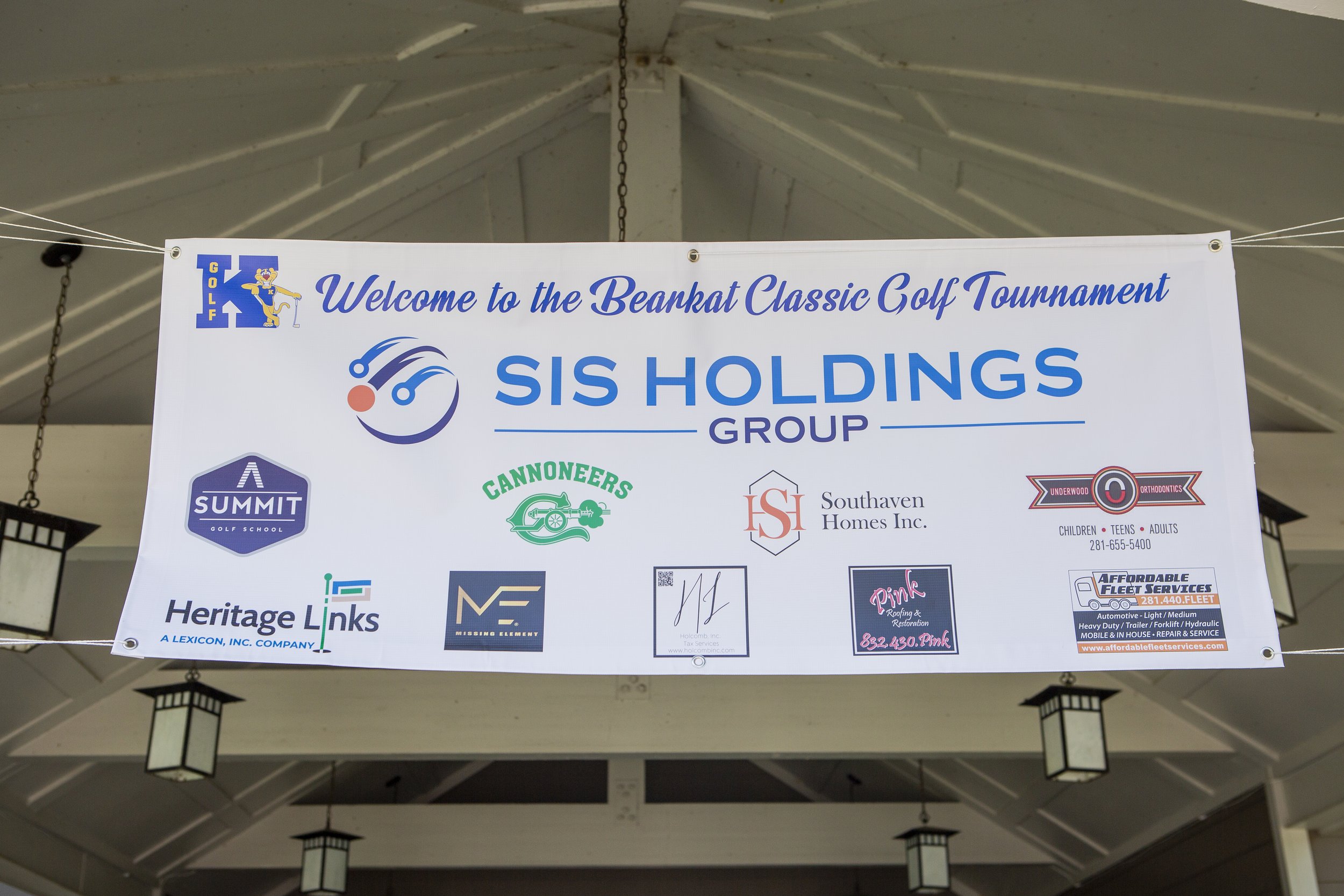
A banner bearing sponsor logos hangs at the golf event.

The digital exposure provided by GolfStatus was combined with on-site signage that boosted ROI for sponsors.

Improved Organization & Processes

“Getting everything in one place in GolfStatus has moved us from organized chaos to an organized tournament,” Andrea says. Instead of bouncing around between numerous platforms, importing and exporting data, everything is stored in GolfStatus’ backend, where Andrea can see teams and sponsors who have registered and paid through the site. With the previous platform, “we had to track who would register and manually go in and update the site if a sponsorship was sold,” she says. Sponsors who purchase packages via the golf tournament website submit logos and assets at registration, eliminating the back and forth, and their logo appears on the site instantly and starts earning impressions right away.

Andrea could communicate with registrants with just a few clicks within GolfStatus. “It was all right there, I could send reminders, thank you, a survey. It was nice and easy,” she says.

GolfStatus’ support team was available to help Andrea and the planning team if they ever had a question or issue. “They really took care of us and were so patient, walking us through everything,” Andrea says about her Client Success Rep, Matt Richardson, who helped guide them through setting up the event, making edits to the website, and starting the tournament’s round to enable live scoring.

Easy Promotion & Sponsor Onboarding

The home page of the BearKat Classic's tournament website is shown on a mobile phone.

Promotional materials linked to the tournament’s website, where golfers and sponsors could commit with a few taps.

Andrea explains that every member of the golf team is required to volunteer at the tournament until their senior year, when they’re eligible to play on their own team in the event. The planning team created promotional flyers that included the link to the event website for team members and families to help market the event and share with local businesses and contacts to drum up teams and sponsors. 

“Mostly we used our personal networks to get sponsors and donations for the silent auction,” Andrea says, mentioning how they assigned folks to reach out to specific area businesses to make the pitch and manage the sponsorship. She says they wanted to make it easy for parents to assist in reaching out to folks, which is why the event website was a great tool for people to send prospects. Sponsors included dentists, orthodontists, consultants, law firms, car dealerships, realtors, fleet services, and more.

GolfStatus’ tech provided immediate ROI for sponsors. “The title sponsor loved getting their name and logo on the homepage of the site, plus the link to their website,” Andrea says. The accompanying logo exposure in the GolfStatus mobile scoring app was an added bonus. “Sponsors loved seeing their logo on the app throughout the tournament!”

Fun & Fundraising

The planning team was adamant about making the tournament fun. Drawing inspiration from traditional golf-centric movies, games were added to three holes to boost fun and fundraising. On the “Tin Cup” hole, golfers draw an index card with a specific club on it and have to play the entire hole with the corresponding club. For the “Caddyshack” hole, golfers play with a tiara and tutu, alluding to the famous quote, “What an incredible Cinderella story, this unknown comes outta nowhere to lead the pack at Augusta.” Golfers can also opt to pay to have a member of the golf team tee off for them on the BearKat hole. 

The BearKat Golf Classic also utilized GolfStatus’ reliable live scoring. Teams submitted and tracked their scores using the GolfStatus mobile app, which synced to live leaderboards where golfers could see current standings and even make a donation to the golf team. “Golfers loved having everything at their fingertips!” Andrea says. 

A large banner with the Klein High School logo hanging in the high school.

The tournament gave people the chance to get to know the student athletes the event is supporting.

Connecting With Student Athletes

One goal for the tournament is to help golfers connect with the members of the golf team. “We want people to know who and what it is that they’re supporting with this tournament,” Andrea says. Team members are stationed on every hole, where golfers have the chance to chat with them, hear about their seasons, and just talk golf. “It really does make a difference to everyone to create that opportunity to connect,” she says.

The 2024 iteration of the tournament will raise money to purchase new winter rain gear for the team, replacing the current decade-old versions. “Our school colors are blue and gold, and the current rain gear, which was bought secondhand, is black and white,” Andrea says. “We want the kids to look and feel professional and confident, and the dollars GolfStatus is helping us raise mean they can rock their school colors and feel good on the course.”

Planning a Golf Tournament?

Whether you have a tournament on the calendar or are just exploring the possibility of a golf event, GolfStatus can help! With easy-to-use technology, tournament planning resources, and an industry-leading support team, you’ll be set up for success. Click the button below to book a meeting with the GolfStatus team to learn how you can use the software at no upfront cost.


A Quick Start Guide to Launching a Golf Fundraiser
 

by Cash Dinkel, PGA, Client Success Director at GolfStatus

You’ve decided to hold a golf fundraiser—great! But…now what?

The decision to move forward isn’t one to be taken lightly. You’ll invest time and effort into putting on a great golf event, so you want to make sure you get started on the right foot. Work through the six steps in this quick start guide to launch your golf tournament toward success and start collecting registrations and selling sponsorships as soon as possible.

Golfers warm up on the driving range at a charity golf tournament.

1. do your research

As you may have suspected, a golf tournament comes with a number of pieces and parts to wrangle. Before you jump into planning, it’s a good idea to do some background research so you have a better understanding of what you’re getting yourself into—and how to maximize the fundraising potential of your tournament.

Don’t worry—you don’t have to be a golf expert to pull off a successful golf tournament! There are a myriad of free golf tournament planning resources at your disposal, so take full advantage of the help available.


fundamental tournament planning resources


2. select your tech provider

Technology is a game-changer when it comes to planning and executing a great golf fundraiser. The right tech tool should streamline your golf tournament from start to finish, saving busy organizers like you time and effort. How? By automating time-consuming tasks, keeping you organized, and providing a seamless experience for golfers and sponsors to register, purchase packages, or make a donation.

The key here is a platform that’s designed for a golf event and caters to the unique needs of nonprofits and charity golf tournaments. The last thing you want is an expensive, underpowered, overly complicated platform that requires workarounds and adaptations to function. Look for these must-have features:

  • Professional, responsive event website

  • Online registration with secure payment processing

  • Intuitive interface

  • Communication tools

  • Web-based for easy collaboration

  • Broad sponsor exposure and offerings

  • Live scoring and leaderboards

  • Ability to collect donations

  • Robust reporting

  • Seamless data exports

An image of a golf course at sunrise, with a water hazard and sand trap visible.

3. reach out to area golf facilities

Next step is securing the host golf facility. A simple Google search for “golf courses near me” will help you identify possibilities. Keep your organization’s audience and donor base in mind when choosing a golf facility. Would they be interested in paying a premium to play at a high-end, private club? Or is a public, lower-cost facility more appealing and practical?

  • A public golf course is exactly what it says—open to the public. Anyone can play a public course and no membership is required. Public courses can be owned and operated by a municipality, such as a city, or a private entity. The fees are typically lower than private clubs, but may not be as well-maintained or challenging for avid golfers.

  • A private golf course requires a membership to play. Private clubs are, in general, more expensive than public courses but may be more difficult to book an event, unless you have a connection who’s a member. On the flip side, a fundraiser at a private club can be a big draw for golfers who don’t typically have access to such a facility.

  • A semi-private golf course is open to the public, but also offers memberships that come with perks not available to everyone. Greens fees should land somewhere in between a public and private club, and can be a nice alternative to either a public or private golf club.

Call around to golf courses in your area or browse course websites to get more information about their rates and costs for outside events and charity tournaments. Remember, a golf tournament essentially fills the facility’s tee sheet for most or all of the day, so it’s in their best interest to work with you to provide a good rate.

4. lock in a date

It’s a good idea to have a general time of year in mind for your tournament, whether it’s spring, summer, or fall (or even winter, if you live in a warmer climate), before you connect with golf staff. Do some research to identify other community or nonprofit events that might compete with yours for registrants, then work with golf staff to hone in on a date that works best for your organization and the course. They can also help advise you on the tournament’s format, start time, pairings and hole assignments, and any post-round banquet space.

Generally speaking, weekends and holidays will be more expensive to host an event than a weekday. Consider whether or not golfers and sponsors will be willing to commit to attending a golf event during the work day or on the weekend.

5. Launch an event website

An event website is a major key to the success of your golf tournament. Once you confirm the date and golf facility, go ahead and launch your site! You’ll get the event on supporters’ radars sooner rather than later. Simply share the link on your social media channels, in emails, on your organization's website, and anywhere else your target audience can be found online.

The golf tournament website for the Boys Hope Girls Hope of Detroit golf fundraiser is shown on a laptop computer.

Use photos, videos, and compelling text to share your organization’s story and why people should support your mission. Provide tangible examples of what the dollars raised from the golf tournament will do for your work—this creates a strong connection between golfers and your organization.

6. fill in the details

As soon as you nail down additional tournament details—such as team and sponsor packages, any contests or games, an auction or raffle, or special guests—add them to the event website right away where folks can check back for updates and register for the event.


what’s next?

Now that your tournament is launched and live, shift your focus to filling your field of golfers and sponsors. Marketing your event is the longest phase of tournament planning, so leverage these free resources to create a roadmap to a sold out event.


Get a Free Golf Tournament Website (And More!)

A successful golf fundraiser starts with a professional event website. It’s the home base of your tournament, and where people can find out more information about the event and your mission and commit to participating. Nonprofits (and third parties holding a golf tournament to benefit a nonprofit or charity) can qualify for a free event website and access to GolfStatus’ golf event management platform at no upfront cost. You’ll save a ton of time and effort and raise even more money. Plus, GolfStatus is backed by a best-of-the-best in-house support team who’s there to help you every step of the way. Click below to learn more and get qualified!


5 Strategies for Selling Golf Tournament Sponsorships
 

by Logan Foote, Sales and Education Director at GolfStatus

Sales is a big part of a successful charity golf tournament, much to the chagrin of some nonprofit event organizers. The thought of reaching out to businesses to sell them on sponsoring your golf tournament might put you into a cold sweat, but with a solid strategy and the right tools in place, it won’t seem as daunting.

Two people stand next to a banner with sponsor logos at a golf fundraiser

It’s important to start your sponsor outreach as early as possible, for a few reasons. First, you have a longer window to bring in sponsor dollars to help cover tournament expenses. Second, businesses often allot their marketing or charitable dollars early in their fiscal year, so the earlier you can get on their radar and into their budget, the better. Finally, the sooner they come on board as a sponsor, the longer they earn impressions and get exposure for their brand. It’s in the best interest of your tournament and the business to onboard them as early in the planning and marketing process as possible.

Before you outline your sales strategy, be sure to check these to-dos off your list:

  • Set a Fundraising Goal. Knowing the revenue you’re aiming for with your golf event will help inform the type of sponsorships you build, the businesses you approach, and even the price of golfer and team registrations. Be realistic, but don’t underestimate the value of your tournament.

  • Have an Event Website in Place. A golf tournament website gives you a place to send folks to learn more about your tournament, register a team, or purchase a sponsorship—as soon as they hear about it. An event website is also key to providing digital sponsor exposure, as golfers and prospective sponsors visit the site and see current sponsor logos.

Once you have these in place, you’re ready to dive into your sales strategy.

1. Create a prospect list

A prospect list is simply who you plan to go after for sponsors for your golf tournament. Start by getting your planning team together for a brainstorming session to throw out names of potential sponsors. Nothing should be off the table at this point! Many businesses find golf tournament sponsorships especially appealing, as their audience is made up of their ideal client or customer.

  • Local, Regional, and Even National Businesses. Don’t limit yourself to only local businesses, especially if a larger company has an office or headquarters in your area.

  • Businesses Where You Have Personal Connections. Who’s your dentist? Or doctor? Where do you take your dog to be groomed? Who sold your house? What printer does your organization use? Who are your nonprofit’s vendors? Use your personal networks to your advantage.

  • Businesses That Are Connected to Your Cause. Think about businesses that have some type of connection to your mission. For example, if you’re raising money for a pet rescue, think about groomers, boarders, veterinarians, or pet supply stores. If yours is a memorial tournament, look for those that have a connection to the tournament’s namesake or the cause you’re raising money for.

  • New Businesses. These are a great option for golf tournaments, especially for hole sponsorships. New businesses might not have a large budget for advertising, but still need and want the exposure.

Once you have your prospect list established, identify connections with your and your planning team’s personal and professional networks. Having an “in” at a business often leads to a successful sponsorship pitch!

2. build attractive sponsorship packages

Keep this in mind as you build your sponsorship packages: If you can put a logo on it, you can sell a sponsorship! Start by looking at your tournament’s hard costs and building sponsorship packages to cover them, such as food and beverage, player gifts, on-course games, beverage carts, golf carts, or hole-in-one contests.

Consider these best practices for sponsorship packages:

  • Provide Value. Every sponsor package should provide enough return on investment (ROI) to justify the business’ support. Whether it’s brand exposure, the opportunity to engage with golfers, the chance to speak at the tournament’s kickoff or banquet, or registrant information, be sure to clearly outline the benefits for each sponsorship so prospective sponsors understand exactly what they’re getting.

  • Show Tangible Impact. Help businesses understand what their support of your tournament will do. For example, the Title Sponsor will underwrite 10 dog adoptions. The goal is to help connect sponsors to your cause and compel them to participate.

  • Attach Teams to Sponsorships. Not only does this add additional value to each package, but it functions to help fill your tournament’s field. Many of the highest grossing tournaments only have teams attached to sponsorships.

  • Be Flexible. Don’t be afraid to create custom sponsorships based on what returns value for the business. It’s likely that your final slate of sponsorships will look different than when you started—and that’s ok!

  • Accept In-Kind Support. Businesses are often interested in providing in-kind donations of goods or services instead of monetary support. These can be leveraged as raffle prizes, player gifts, auction items, pin prizes, to just enhance the overall tournament experience, or reduce your operating costs. For example, a local caterer or grocery store might be interested in providing lunch or snacks. Or perhaps a sporting goods store wants to donate a golf bag or gift card. Provide exposure and thanks for these contributions.

Your event management platform should make it simple to create and list sponsor packages on the golf tournament website, plus make additions and updates as necessary.


Sample golf fundraiser sponsorship packages

This free guide outlines three sets of golf tournament sample sponsorship packages, including pricing, benefits, and golfer registration costs. You’ll find examples for small, mid-sized, and large tournaments that you can adapt based on your tournament’s unique needs.


3. price packages effectively

As mentioned previously, your fundraising goal will guide your pricing, combined with the caliber of the host golf facility and size of the tournament’s field. Don’t expect to hit your goal with one sponsorship sale! Keep these points in mind as you consider package pricing:

  • Cover Costs. As a baseline, you should cover hard costs and build in pure revenue to each package.

  • Offer Varying Price Points. Lower price points might be an easier sell for businesses that don’t have a huge budget. That being said, don’t be afraid to go after the bigger fish who have more robust philanthropic or marketing budgets.

  • Understand your network and its capabilities. Are there a number of businesses you can approach for lower-cost packages? Or do you have one or two you can target for pricier sponsorships?

  • Don’t Underprice Your Sponsorships. Remember that your tournament has a unique value proposition! Sponsors get high engagement and exposure to an audience they can’t access anywhere else.

4. make an effective pitch

Once you’ve identified connections at prospective sponsors on your prospect list, determine who will reach out to each prospect. Lean on your planning team, staff, or board as much as possible in this phase, not only to leverage their connections, but to share the work. It’s a good idea to put the person tasked with reaching out to a business in charge of the relationship with that sponsor.

It’s also a good idea to use a shared template or talking points to ensure consistent messaging and make it easier to make the pitch. Use a combination of approaches, perhaps with an introductory email, followed by a phone call and/or check-in email. For larger sponsorships or when pitching to a known partner, you might want to connect in person. Every pitch should clearly outline the pricing and benefits, as well as an overview of the audience and estimated attendance numbers, if known. Ask them what they hope to get out of the partnership, which helps both parties get the most value out of the sponsorship. Send folks to the event website to view available sponsorships and purchase their package.

If yours is an existing tournament, offer past years’ sponsors the first right of refusal. Give them the option to move up to a different package, or stick with what they’ve done in the past.

Above all, remember the worst they can say is no!

An event website makes it simple for prospective sponsors to view available sponsorships and purchase a package with a few clicks.

5. Lean on technology

Technology is a key part of golfer and sponsor outreach, with an event website as the centerpiece. The website makes marketing and promotion as simple as sharing a link, where folks can learn more about your organization and event and register or become a sponsor as soon as they hear about it. A website makes the tournament shareable, so your supporters can share it with their networks, instantly expanding your potential audience.

The digital exposure afforded by the event website adds even more value to your sponsor packages. Every time someone visits the site, sponsors get eyeballs on their brand. And with the right event management tool, sponsor exposure is automatic—it gets added to the site as soon as a sponsor purchases a package via the website and starts earning impressions right away.


GolfStatus Makes It Easy

GolfStatus’ golf tournament management platform makes it easier than ever to build custom sponsorships, sell packages, collect assets, and provide digital sponsor exposure. It comes with an attractive, mobile-responsive event website and a user-friendly interface that streamlines tournament planning and execution. Nonprofits and charities (and third parties hosting golf events on their behalf) can qualify to use GolfSatus at no upfront cost through the Golf for Good program. You’ll get access to tech tools, exclusive premium sponsorships, add-ons, and our A+ in-house support team to make your tournament a success. Click below to get qualified!


Mahoney Golf Course Expands Its Tournament Offerings With GolfStatus
 
An aerial view of a golf course. A green, bunker, and water hazards are visible.

Partner Snapshot

Mahoney Golf Course in Lincoln, Nebraska is part of the city’s robust municipal golf program. Head Golf Pro Jonathan Benson (JB) has been with Mahoney for nearly 20 years, nine of them as Head Pro.

Mahoney was built in 1976, the third of the city’s five courses. The par 70 course boasts some of the most challenging par four holes in the city, and as JB says, “is more difficult than some golfers think!” Its large, fast greens make for great playing conditions and multitude of trees present a challenge for every golfer.

JB loves the city’s approach to running its golf program, allowing pros to work as independent contractors within specific parameters. He also has the freedom to hold course-hosted golf events to engage golfers and the Lincoln community at large, getting them to the course for a day of fun.

The challenge

When JB and his predecessor launched Mahoney’s first event, the Mahoney Masters, they did all the prep work manually, taking registration and credit card information over the phone or in-person when a golfer would stop in the pro shop (and hoping the information was written down correctly) and tracking it all on a big, single access spreadsheet. Leading up to and on event day, they would spend 15 or more hours creating scorecards and cart signs, not to mention the time spent flighting results and breaking ties by hand.

All this manual work came with major challenges that took up valuable staff time. What’s more, it was often difficult to collect payment upfront. “When our staff would expand over the summer to 15 part-timers that worked the pro shop, it was a big problem to make sure they took payments when someone registered,” JB says. “We dealt with a huge number of no-shows without prepayment, sometimes up to 20% of registered golfers,” he says. He needed a tool to scale the course’s events while saving his staff time and effort.

An aerial view of a putting green surrounded by golf carts. The clubhouse is also visible.

The solution

A part-time staffer at Mahoney, Frank Cuddy, was also interning at GolfStatus and mentioned how its tournament management software would be helpful for managing tournament signups. “My first reaction was, ‘you mean I don’t have to do this over the phone?’” JB laughs. GolfStatus was a perfect fit for JB and his team, with robust enough features to streamline event prep but simple enough any staff can jump in and find the tools and information they needed.

I haven’t seen any part of GolfStatus that I don’t like,” JB says. “We can spend two hours prepping for an event instead of 15. The support we get from GolfStatus is great.
— JB, Head Golf Pro at Mahoney Golf Course

the results

No More Manual Signups

The online registration feature is what first drew JB to GolfStatus. “We were spending so much time on the phone, so anything that can cut down on that is huge,” he says. Online registration changed all that. “Everything is online these days so it makes sense to do this online too,” JB explains. Golfers choose their team packages, skins, and mulligans and pay directly through the website, giving them an increased confidence that their information is handled securely, as opposed to having a staff member write down their credit card information. “Even if someone calls, we now send them to the website to register,” JB says.

JB says having their branding on the event website is an added bonus, and if they have any sponsors for the events, they get great exposure.

The homepage of the Mahoney Masters event website on a laptop computer screen.

Mahoney Golf Course’s event website for the Mahoney Masters, held every April.


easy communication

JB uses GolfStatus’ messaging feature to promote each event to past participants and other avid golfers in the area, which has helped Mahoney’s events grow significantly. He’s also able to easily share updates, the day’s itinerary, and other reminders without having to hunt down golfer emails and pulling them into a different platform. “I love being able to communicate with teams leading up to the tournament,” JB says.


More Golfers, More Events

The Mahoney Masters is a two-person scramble held the Saturday of Master’s week. In its first few years, the event attracted 60 to 80 golfers. But once JB started leveraging GolfStatus, the tournament regularly fills with 160 players. “We didn’t fill events until we started partnering with GolfStatus,” JB says. “Being able to promote tournaments online and have golfers register online has been amazing for our golf course.”

We didn’t fill events until we started partnering with GolfStatus,” JB says. “Being able to promote tournaments online and have golfers register online has been amazing for our golf course.
— JB, Head Golf Pro at Mahoney Golf Course

The success of the Mahoney Masters led JB to add three additional course-hosted events powered by GolfStatus:

This slate of tournaments is great from a business perspective. It gets golfers to the golf course with guaranteed rounds and cart rentals and boosts sales across the golf course: food and beverage, merchandise, and gift certificates.

Golfers gather on a green at a golf course, surrounded by golf carts.

Printouts, Flighting & Tiebreakers

Automating the time-consuming aspects of a golf event is a huge advantage of using an online event management platform. Golfer information is easily accessible in the software’s backend, where JB and any of his staff can access it to make team pairings and hole assignments quickly and easily.

Before GolfStatus, custom printouts were a major time suck. “We would have to type everything into Excel and into a template, which took a long time and often had errors because we had to decipher handwritten golfer information,” JB says. Now, “we can do it in minutes!” Professionally formatted cart signs, scorecards, and alpha lists are auto generated—all staff has to do is click print.

Mahoney is starting to lean into live scoring a bit more. Teams record and submit their scores via the GolfStatus mobile app, which syncs to live leaderboards in real time. Not only does live scoring let golfers see current standings, but it’s also a time-saver when it comes to finalizing the tournament results. “I don’t have to type in the scores, they’re all there,” JB says. The software will flight the results and break ties automatically—with the ability to manually change them if necessary—so they don’t have to rifle through paper scorecards. “We’re able to announce results, award prizes, and get people done faster than ever.”


Golfstatus for every golf event

Golf facilities like Mahoney Golf Course benefit as much from GolfStatus’ tournament management tech as event organizers. Facility staff and the planning team can share access in GolfStatus’ backend to manage golfer and sponsor information, finalize team pairings and hole assignments, and save time from start to finish. Want to learn more about how your organization or golf facility can save time and raise more money with GolfStatus? Hit the button below to book a meeting with the GolfStatus team.


10 Strategies to Grow & Scale Your Golf Fundraiser
 

by Jen Wemhoff, Communications Manager at GolfStatus

Once you’ve gotten a new golf tournament up and running—which is no easy feat—it can be tempting to simply cruise and maintain the status quo. But in order to grow your event into its second year and beyond, tournament organizers must find ways to keep golfers and sponsors coming back year after year. These 10 strategies can help.

1. Get Online

If you haven’t before, get your tournament online. A web-based golf event management platform saves you a ton of time and gives you tools to plan, manage, and execute a professional, lucrative event. Leverage an event website to easily promote your tournament, collect registration, onboard and recognize sponsors, and more.

An event website for a golf fundraiser.

Using digital channels for your golf tournament, especially an event website, is a great way to grow the event.

2. Expand the Event

This can be scary, especially if it comes with added expenses, but might be the key to scaling your tournament. Depending on the type of event and the capabilities of your golf facility, you might add an additional course, round, day, or accompanying event (such as a post-golf banquet or auction). This approach works best if you typically have a waitlist for your tournament or most of your teams are committed to sponsors and you’d like to open it up to other supporters. Do a cost-benefit analysis before you take the plunge!

3. Make it Memorable

Look for ways to build even more fun into the event. And lucky for you, many elements that make a tournament memorable also bring additional fundraising opportunities to the tournament. Exciting add-ons like on-course entertainment, golf tournament games, and contests are great ways to have an impact. Charge a nominal fee to participate in these add-ons, but don’t nickel and dime people. Consider selling a super ticket or wristband that provides entry or participation in each event for a flat price. Folks will remember the fun they had and come back in subsequent years.

Four men participate in a game at a golf fundraiser. One man hits a golf ball with a board.

Adding games to your golf tournament makes it even more fun and memorable for golfers and sponsors.

4. Boost Your Marketing

Definitely start your marketing efforts with past participants, sponsors, and anyone on the previous year’s waitlist, giving them the first shot at registering or purchasing sponsorships. Boost your marketing efforts in order to broaden your audience and spread awareness about your organization and cause. Leverage social media, partner marketing, sponsor promotions, and email campaigns to reach new folks. Consider an early bird registration period to create a sense of urgency and encourage golfers and sponsors to commit to your tournament.

5. Live Score the Tournament

Live scoring gives your tournament another level of engagement with golfers and sponsors. Golfers love to see where teams stand throughout the day on the event’s live leaderboards and you can use it as a call-to-action for folks to donate. Share leaderboards on social media so all your supporters can follow along. You’ll also give sponsors broader exposure with their logo in the live scoring app.

Four golfers wait their turn on a golf course. One looks at his phone to live score the round.

Live scoring via a mobile app keeps golfers engaged throughout the event and lets spectators follow along online.

6. Focus on Sponsorships

Sponsorships are where your tournament will bring in the bulk of its dollars. If your tournament regularly sells out, don’t be afraid to raise prices a bit. Talk directly with prospective sponsors to determine how your tournament can help them meet their goals, whether it’s straight up exposure, engaging with golfers, or something else. Identify new sponsorship opportunities—if you can put a logo on it, you can sell a sponsorship, so don’t be afraid to think outside the box! Including a team in sponsor packages not only adds value, but helps fill your tournament’s field, so price those packages accordingly.

7. Improve Processes

With one or more tournaments under your belt, it’s a good idea to take a look back at what worked, what didn’t, what tasks needed more time and attention, and what things you can omit altogether. Improving your processes lets you be more efficient with planning tasks and better use your time to pitch to sponsors, promote your event, and focus on the overall experience. Fine tune the planning infrastructure you already have in place—event website, graphics, vendors, etc.—to make the next go around less stressful.

8. Streamline & Simplify

Take a critical look at the tech tools you used to plan and execute your event. Did you spend a ton of time managing logins to umpteen platforms? Did you spend too much time bouncing between spreadsheets and tracking checks and receipts? Can all the functions be rolled into an all-in-one golf tournament platform? The lesson here is not to force a square peg into a round hole. Ticketing and event management platforms can’t handle the intricacies of golf tournaments and likely require your team to make time-consuming or complicated workarounds and adaptations. Look for a single software to manage everything from registration, payments, and promotion to hole assignments, sponsor onboarding, and flighting.

A golf tournament management software tool is shown on a laptop screen.

Using a golf-specific tournament management platform keeps everything organized in one easily-accessible place.

9. Shake Up Your Planning Team

Don’t force folks off the team if they still want to contribute, but consider bringing in a few new people that can provide a different perspective and connections. Reassign tasks if people are interested in spearheading a different portion of the tournament.

10. Garner Feedback

Make a point to chat with golfers and sponsors to get their immediate impressions of the tournament, then consider sending a quick survey in your post-event communications to ask them for additional feedback on the golf facility, format, add-ons, registration fees, what can be improved, what worked well, etc. Listening to participants gives you concrete ways you can make your tournament even better.

Four golfers pose on a golf course at a charity golf tournament.

Ask your tournament’s golfers and sponsors directly what feedback they have about the event and implement suggestions that will help you scale.


Final Thoughts

One of the best ways to grow your event is to use a golf-specific tool to plan and manage your tournament. You’ll save a ton of time and get additional ways to raise funds, give golfers the best experience possible, and provide more value to your sponsors. GolfStatus can help with all that, and more. Nonprofits, charities, and those planning golf events to benefit one can use GolfStatus at no cost through the Golf for Good program. Click below to learn more and get qualified!
 
 
AFP and GolfStatus Announce Continued Strategic Partnership
 

DATE: January 4, 2024
FOR RELEASE: Immediate
CONTACT:  Natalie Paskoski, Manager of Content, (434) 236 – 5583, [email protected]
GOLFSTATUS CONTACT: Ashley Stahr, Marketing Director, (402) 413-9650, [email protected]

(Arlington, Virginia) The Association of Fundraising Professionals (AFP), the largest association of fundraising professionals in the world, has announced the fourth year of a strategic partnership with GolfStatus, the leading event management platform for charity golf tournaments and fundraisers.

Nonprofit golf events powered by GolfStatus raised over $20 million in 2023, tapping into the $4 billion golf helps raise for charity annually. GolfStatus helps nonprofits leverage this giving power by simplifying and streamlining golf events, helping organizations responsibly collect and manage donor data, securely process donations, engage supporters through a pastime they enjoy and ultimately, raise more dollars to do more good.

Qualifying nonprofits can access GolfStatus’ technology at no cost as part of its Golf for Good program, which helps organizations committed to social good save resources while raising more money for their mission.

“Over the course of our several-year partnership, GolfStatus has provided valuable resources on golf fundraising for the AFP community including blog articles, a Q+A series, and Advancing Philanthropy articles, just to name a few,” said Chris Amos, senior director, business development for AFP. “Their continued presence as a sponsor at AFP ICON is of great importance to AFP and a value-add for our members, who are always interested in learning how GolfStatus can help make their golf fundraisers more impactful and inclusive. All of us at AFP are so pleased to continue to work with GolfStatus as an Impact Partner and look forward to the expertise and guidance they can provide to the fundraising community.”

By connecting golfers to important causes in communities and beyond, golf fundraisers powered by GolfStatus are instrumental in furthering inclusivity and bringing change to the golf industry.

“GolfStatus’ mission is to help nonprofits easily and effectively activate golf as a fundraising mechanism,” says Steve Mattern, vice president of operations at GolfStatus. “We’re honored to partner with AFP to further their core values of inclusivity and ethics in fundraising in the golf space.”

The AFP Partners Program provides participating organizations with year-round opportunities to engage the fundraising community and pursue corporate social responsibility through tangential support of the causes for which they work. Through thought leadership, marketing, content, and professional development channels, AFP Partners position themselves as industry leaders committed to advancing philanthropy and ethical fundraising worldwide. Their financial and programmatic support also enables AFP to develop highly competent fundraisers and educate the public on the industry’s ability to fuel societal change in critical arenas like education, healthcare, community development, equity and inclusion, and countless other missions.

For more information about the AFP Partners Program, contact Chris Amos, senior director, business development, at [email protected].


Since 1960, the Association of Fundraising Professionals (AFP) has been the standard-bearer for professionalism in fundraising. The association works to advance effective and ethical philanthropy by providing advocacy, research, education, mentoring, collaboration and technology opportunities for the world’s largest network of professional fundraisers. AFP’s more than 26,000 members in over 180 professional chapters raise over $100 billion annually for a wide variety of charitable organizations and causes across the globe. For more information, go to afpglobal.org.  


GolfStatus helps nonprofits leverage the giving power of golf to raise more dollars, engage supporters, and do more good. Its robust golf event management platform streamlines golf tournaments from start to finish to save time and enhance the overall event experience for golfers, sponsors, and golf facilities. GolfStatus combines powerful technology with practical golf fundraising resources and industry-leading support to make charity golf tournaments easy, approachable, and efficient for organizations of all types and sizes. Visit https://golfstatus.com/.


Source: afpglobal.org


Press & NewsGuest User
5 Ideas to Make Your Golf Event More Inclusive
 

by Jen Wemhoff, Communications Manager at GolfStatus

Golf’s ongoing popularity has led nonprofits and charities of all types and sizes to jump into the sport as a fundraising mechanism. But as popular as golf has been over the last few years, there are parts of the population—non-golfers, beginners who might not feel confident enough to register for a tournament, or individuals that have another barrier to participating—that might be left out of a standard golf tournament.

Fortunately, there are a number of ways you can structure your golf tournament to make it more inclusive, involving those missing folks who can be converted into donors. No matter how you choose to make your event inclusive, a golf-specific event management platform is a necessity to streamline planning for you and your team. Here are five ideas to consider for your next golf tournament.


1. Choose non-traditional events

Not every golf tournament has to be 18-holes at a traditional golf course. Yes, the vast majority of charity golf tournaments fit that mold, but you might consider an additional golf event, this time with a non-traditional spin. You’ll connect with new segments of your community to raise awareness about your mission and bring in funds for your work. Consider these examples:

  • Putt Putt / Mini Golf Tournament: A mini golf tournament can have many of the same elements as a regular golf tournament, just on a smaller scale. With fewer barriers to entry, a putt putt event is a great option to involve families, non-golfers, and the community at large. The Putt Putt Fore Puppies event, a first-year mini golf tournament, raised over $9,200 for the Capital Humane Society. The tournament sold out both teams (41 four-person teams) and sponsorships (21), with the top sponsorship selling for $4,000. The planning team incorporated on-course games and a raffle to raise extra dollars.

  • Golf Simulator Events: Golf simulators like TopGolf are extremely popular among golfers and non-golfers alike. Much like a mini golf event, there’s a broader audience for a golf simulator event and options to sell sponsorships, charge an entry fee, and leverage add-ons like a raffle or auction. Avery’s Hope, the 2023 winner of Play It Forward, chose TopGolf as an inclusive option to allow the families they serve (those dealing with rare and undiagnosed pediatric GI conditions) to participate.

A woman hits a golf ball into the hole on a mini golf course.

A putt putt or mini golf tournament is a great addition to your fundraising calendar, involving those who aren’t able to participate in a traditional golf tournament.


2. include adaptive elements

If your nonprofit serves an audience or has a supporter base that requires specific adaptations, there are ways to incorporate them into a golf tournament. The key here is to know your audience. Start by thinking through any barriers they might face to participating in a golf tournament, physical or otherwise. You could even survey a subset of your donors or constituents to gather information to help guide you in what adaptive elements to offer.

For example, Outlook Enrichment is a Nebraska-based nonprofit that serves the visually-impaired. They paired sighted golfers with visually-impaired golfers to serve as their eyes on the course. What’s more, they offer a blind golfers clinic in conjunction with the golf tournament, with coaches that specialize in working with the blind and visually-impaired. They worked with GolfStatus to make their event website and the entire registration process as accessible as possible to those with vision impairments.

A visually-impaired golfer is helped by a coach on a golf course.

Outlook Enrichment is a nonprofit that serves the visually-impaired. A blind golfers clinic is held with the annual golf fundraiser to help those with a vision impairment try their hand at golf.

When choosing a golf course for your tournament, you might also consider accessibility for those that have mobility issues. Ensure ramps are available, restrooms are handicap accessible, and work with golf facility staff to have golf carts available to accommodate different abilities.


3. use beginner-friendly tournament formats

The vast majority of charity golf tournaments utilize the scramble format. Here’s how it works: Each golfer tees off, then the team chooses the best shot and each player hits their ball from that spot. This continues until the ball is holed. The beauty of this format is that it makes the tournament approachable for golfers of all skill and experience levels, from beginners to scratch golfers. One roadblock to participating in a golf tournament, particularly for those who have never played golf before or don’t play often, is the intimidation factor. They have the perception that they’re not good enough to play so they don’t even consider it. The scramble format, whether it’s two or four-person teams, levels the playing field a bit and makes the round much more fun for all golfers.

Another way to encourage beginners or non-golfers to participate is by flighting your tournament. There are several approaches to flighting, which organizes teams into different groups, or flights, based on skill levels so teams or players of similar skill levels are competing against each other. This can happen before or after the tournament, depending on your preference. You might offer a women’s flight or beginner’s flight so folks can choose those options when they register, or you can flight results at the end. Whatever way you choose, flighting can help create an inclusive and enjoyable experience for all golfers. You’ll want to use a tournament management software that allows for easy flighting, so golf staff doesn’t have to manually sort through paper scorecards at the end of the round to finalize the results.

The scramble format is a great choice for charity golf tournaments because it makes the event more approachable for golfers of all skill and experience levels.


4. offer golf clinics or lessons

Tacking on a golf clinic or lessons to your golf tournament is a great way to target beginners. Whether you schedule it for immediately before the tournament or a day or two prior, a clinic working on basic golf skills gives beginners the confidence boost they may need to commit to playing in your golf fundraiser. You have the option to include the cost it in the registration fee (after all, even more experienced golfers can use a few pointers to improve their game), charge an additional fee to participate, or find a sponsor to underwrite the whole thing (and give them exclusive naming rights to the extra event!).

Work with the pro at the golf facility you’ve chosen to see if they’re willing to lead the clinic. You could tailor it specifically for beginners or offer a series of clinics for beginner, intermediate, and advanced skill sets.


5. add other activities 

To include non-golfers in your golf tournament, consider adding supplemental activities that attract families, spouses, partners, or friends of those playing in the event or members of the community who want to support your organization but don’t want to play golf. Some ideas include:

  • Putting contest

  • Live and/or silent auction

  • Wine tasting event

  • Cocktail hour

  • Movie screening

  • Musical performances

  • Crafts

  • Volunteer activities

  • Meet and greet with nonprofit beneficiaries

  • Speaker or workshop

Two men hold guitars and sing as part of a performance at a golf tournament.

A musical performance can help attract non-golfers to your golf tournament.

These add-ons can occur during the round or just prior to any post-golf awards ceremony or banquet. Pitch the add-on activities to a local business as a sponsorship and highlight the additional exposure they’ll get—both to golfers and to the non-golf attendees.


Final Thoughts

Inclusivity is a big deal, especially for nonprofits. Making your golf tournament more inclusive not only gets more folks involved to support your mission, but shows that your organization seeks to involve all segments of your community. As you start planning your charity golf tournament, think through how you can incorporate these ideas to remove barriers for people to support you through golf.


Hit the easy button for your next golf fundraiser

GolfStatus’ tournament management software makes golf fundraisers—of all types and sizes—easier and more lucrative than ever. Save a ton of time with online registration, built-in automations, and auto-generated printouts and raise even more money by leveraging GolfStatus’ exclusive sponsorships, add-ons, and built-in fundraising tools. Plus, our industry-leading support team is here to help every step of the way. Click below to get qualified to use GolfStatus at no cost through the Golf for Good program.


Bear’s Best Atlanta Leverages GolfStatus to Streamline Outside Events
 
Photo of a golf course tee box and water hazard.
 

Partner Snapshot

Named one of the top residential golf courses in the U.S. and top 10 courses in Georgia by Golfweek, Bear’s Best Atlanta is comprised of iconic holes designed by Jack Nicklaus from around the world. As such, the semi-private club in Suwanee, Georgia offers a unique playing experience, with hole designs from famous golf courses designed by Nicklaus, including Castle Pines, Muirfield Village, PGA National Championship Course, Sherwood Country Club, Shoal Creek, and Glenagles, all in one place.

“It’s a course that has something for every golfer, and that is part of the appeal,” says Jenni Tyler, Event Sales Director at Bear’s Best Atlanta. Recent renovations of the pro shop, clubhouse, and course bunkers give the high-end club even more appeal to members and other golfers in the Atlanta metro area.


The Challenge

Bear’s Best regularly hosts charity golf tournaments at its facility. Its unique course offering, attentive staff, and top-notch event experience make it a great choice for local organizations holding golf events. “At Bear’s Best, we’re all about enriching lives and building relationships, and charity tournaments are a big part of that,” Jenni says.

With so many onsite events to manage and execute, Jenni’s sales team and the golf staff needed a tool to streamline outside outings to maximize efficiency but still provide top-notch support for event organizers.


The Solution

Bear’s Best is part of the Invited Clubs family of clubs across the U.S. For years, Invited has worked with GolfStatus for each of the club’s Charity Classic events. At Jenni’s previous club, she worked with several event organizers who used GolfStatus to collect registrations, manage golfer and sponsor information, and pass off hole assignments to the club’s golf staff. When Jenni came to Bear’s Best, Invited’s existing relationship with GolfStatus and her previous experience with the platform made it the tool of choice for outside charity tournaments at Bear’s Best.

 
Four golfers walk on the green of a golf course holding putters.
 

The Results

Efficiency & Organization

Outside events are key to golf facilities’ bottom line; but they tend to take a lot of staff time, both on the front end, educating organizers and helping with best practices, and in the days leading up to a tournament, collecting golfer information and creating printouts. “GolfStatus gives us more time,” says Jenni. Instead of spending hours tracking down and inputting golfer names, assigning holes, designing cart signs, and creating reports, “we just log in and are ready to go in about 20 minutes since everything is in one spot.” The platform auto-generates alpha lists, cart signs, and reports, so all golf staff have to do is hit “print” when they’re making their final preparations.

Jenni says the biggest value GolfStatus brings to Bear’s Best is saving time and creating efficiencies. A big part of that is having the golfer information available to the golf staff ahead of time. Because golfers register via an event website where they submit their information and payment, staff don’t have to take that information over the phone or bounce between PDFs and spreadsheets. Everything is tracked and organized in one accessible place. Online registration is great for organizers, too—they can spend their time attracting golfers and selling sponsorships instead of dealing with paper forms, checks, and receipts. “They don’t have to figure out how to get a website set up, set up a Venmo or other way to take credit cards, or deal with payments the day of,” Jenni says.

All tournament-related staff at Bear’s Best, from the General Manager, to Jenni, to the golf pro, and assistant pro, all have logins to GolfStatus so they can make changes and adjustments up until the last minute.


GolfStatus is such a timesaver for managing names, hole assignments, knowing how many guests to expect and carts needed. It lets us prepare for the tournament and have staff ready to provide a great experience all around.
— Jenni Tyler, Event Sales Director at Bear’s Best Atlanta

Live-scoring is another piece of the puzzle for golf tournaments at Bear’s Best. Golfers submit their scores in the free GolfStatus mobile app, which syncs to live leaderboards. Golfers can see current standings, use the app’s free hole-by-hole GPS to get accurate yardage to the pin, and even engage with the tournament’s host organization by making a donation to their cause. On the golf facility side, live-scoring helps staff track the round’s progress so they can be prepared for awards, a banquet, or other activity, and makes finalizing the tournament’s results a breeze. “Live-scoring is so much more efficient in finalizing scoring and getting things ready for awards,” Jenni says.


success story: North Gwinnett Dugout Club

The annual North Gwinnett Baseball Golf Tournament has been held at Bear’s Best for years. Organizers signed on with GolfStatus for the 2023 event, and Jenni says they had tremendous success. The previous year, prior to using GolfStatus, only about five teams prepaid when registering for the tournament, which left organizers hunting down teams for payment the day of the event and dealing with no-shows. After signing on with GolfStatus (and qualifying to use it at no cost through the Golf for Good program), they increased their field size to 144, collected all payments ahead of time, and brought even more sponsors on board. “Overall, they raised double what they had in years prior!” Jenni says.


best-in-class service

The organizations who host events at Bear’s Best run the gamut in terms of planning experience. “Some come to us and don’t know a thing about golf tournaments, some have been doing events for years,” Jenni says. The great thing, she points out, is that GolfStatus can help both types of events streamline planning from start to finish, stay organized, and seamlessly work with Jenni and Bear’s Best’s golf staff. “Being able to refer people to GolfStatus, who I know will be able to answer questions and provide the same level of service and support that we expect at Bear’s Best, takes so much off of my plate,” Jenni says, adding that GolfStatus also takes some of the pressure off of the organizer.

“We use GolfStatus as a selling point, quite honestly,” says Jenni. “Particularly for brand new event organizers who don’t think they can pull a tournament off, I tell them, ‘Go talk to GolfStatus, they’ll be your backup on things that are tedious so you can focus on networking and marketing the tournament.’” In fact, Jenni says several tournaments have booked with Bear’s Best and come on board with GolfStatus on the same day.

GolfStatus’ in-house support team provides backup to golf facility staff, helping guide tournament organizers as they make important decisions about event format, dates, add-ons, sponsorships, and pricing, with the ultimate goal to have a successful, lucrative tournament. “Both our team and GolfStatus are focused on making every event the best it can be.”

Image of a golf course with a tee box and water hazard visible.
 

invited clubs charity classic

Each club under the Invited Clubs umbrella hosts an annual Charity Classic event, which raises money for Invited Clubs’ Employee Care Foundation and a local charity. Bear’s Best Charity Classic benefits the ECF and First Tee of Metro Atlanta. “We get really excited about the Charity Classic event,” says Jenni. She has personally benefited from the ECF, which supports Invited Clubs’ employees in the midst of crisis such as home loss, death, illness, or domestic situations, so the cause hits home for her. “It’s an amazing resource for employees, but we also want to help youth through First Tee as they’re going through life and learning about golf,” Jenni says.

Running Bear’s Best Charity Classic event through GolfStatus puts Jenni in organizers’ shoes, and she continues to see the value in the platform. “We’re able to be efficient and stay organized while we raise money for great causes,” she says.


golf facilities & event planners save time with golfstatus

Golf facilities like Bear’s Best benefit as much from GolfStatus’ tournament management tech as event organizers. Facility staff and the planning team can share access in GolfStatus’ backend to manage golfer and sponsor information, finalize team pairings and hole assignments, and save time from start to finish. Want to learn more about how your organization or golf facility can save time and raise more money with GolfStatus? Hit the button below to get in touch!