2. Process registrations online.
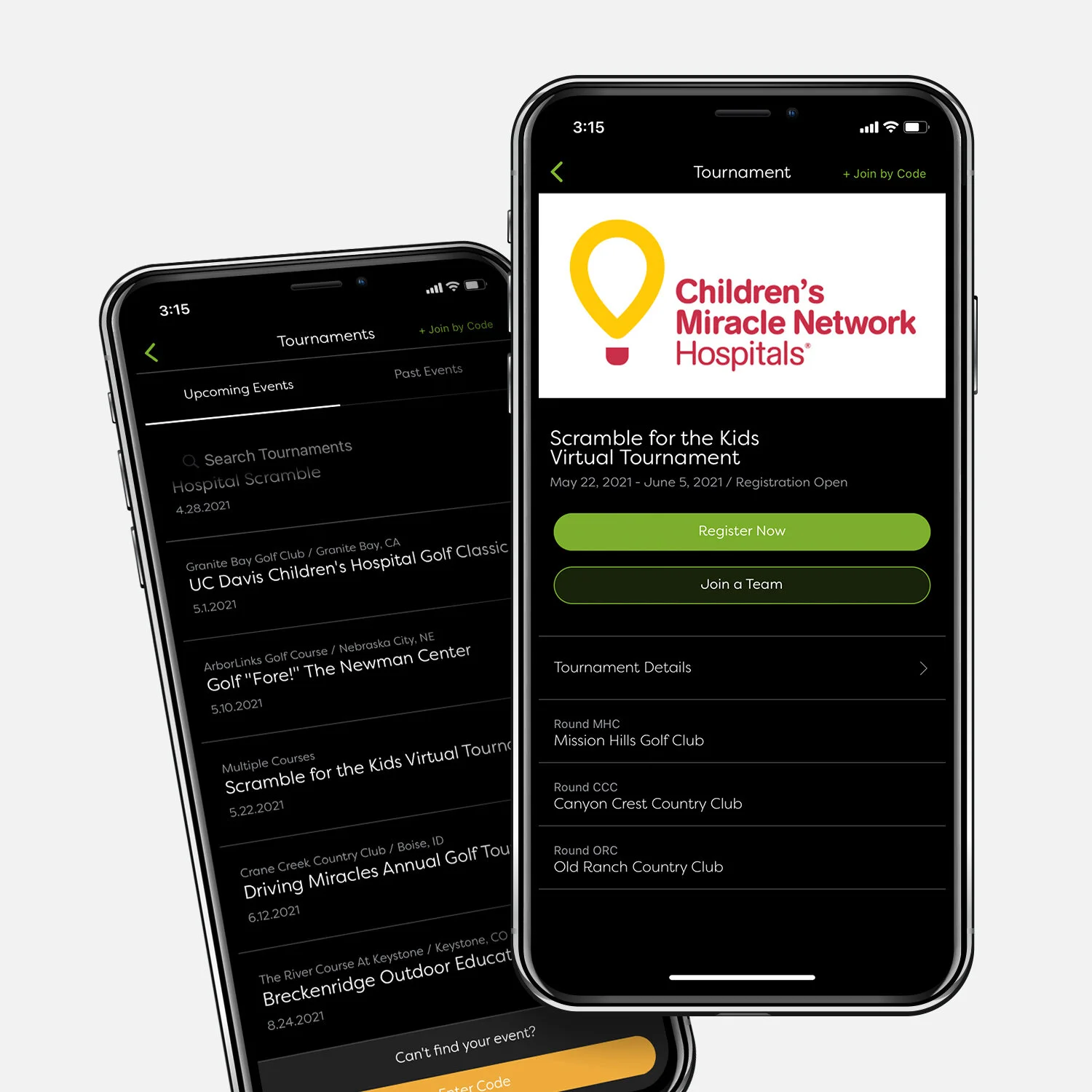
The registration process is one of the most important touchpoints for any event. A clunky process soaks up your time, increases the likelihood of embarrassing errors, and can be especially frustrating. Having an event website sets you up to upgrade your registration platform and side-step issues. Be sure to choose a platform that functions seamlessly with the website, securely processes payments, and can accommodate needs specific to the golf event (such as the ability to collect handicaps and apparel sizes and the option for registrants to purchase add-ons like raffle tickets and mulligans). As the organizer, you’ll need to be able to access player and sponsor registrations in real-time, and you’ll want a platform that makes it easy to pass that information to the golf facility in the day or so leading up to the event. There’s bound to be last-minute changes, so you’ll want something that makes it easy for staff at the facility to track those and swap out names on cart signs and other materials so every player has a premier experience.
3. Display your brand professionally.
When it comes to showcasing your brand, think beyond tee gifts and goodie bags. Display your company logo (or the event’s logo, if it has one) across materials—starting with your event website and including the leaderboards, scorecards, cart signs, and other on-site materials. These subtle and professional impressions continuously associate your company and brand with the great experience of participating in a fun, well-run event.
4. Put the benefitting charity on display.
Be sure to include information about the charity your event is supporting on your event website. This should include impact imagery and information that tells the story of the cause and the organization. Take a page from the nonprofit sector’s playbook and look for ways to quantify the impact of specific purchases so supporters know how their dollars make a difference. For example: The purchase of one team provides three meals per day for a child in need for three months. This shows people what they’re supporting and, more importantly, why it matters, and encourages them to give generously.
5. Include on-course contests.
Adding the opportunity to win prizes is a fun and easy way to make a tournament more memorable. A putting contest is a simple addition. Players simply putt for a chance to enter the contest, where they win an exclusive prize if they ultimately sink the final putt. Hole-in-one contests are also worth considering. For these, one or more holes is designated for the contest, giving players the chance to win a prize if they ace that hole. If your event will be hosting vendors, partners, or B2B clients, consider offering a contest sponsorship that covers the costs of facilitating the package. Be sure to take the opportunity to recognize sponsors as well as folks who qualified for the putting contest, and look for opportunities to acknowledge them with on-course signage and other exposure.
6. Offer live-scoring and leaderboards.
At a typical golf event, players and/or teams tally their round, turn paper scorecards in at the end, and then congregate around the clubhouse until the final team finishes and scores can be tallied. Live-scoring improves this flow, allowing teams to input their score into a mobile app in real-time on the course; meanwhile, leaderboards display live scores. The upgrade makes the event more engaging; players check their standings and enjoy poking fun at other teams. Be cognizant that the live-scoring platform you choose is clean, sleek, and easy to use, so inputting a score is simple and not distracting for players. Leaderboards should provide an opportunity to showcase your branding as well as the benefitting charity’s branding—tying everything together professionally. It’s also a good idea to inform staff at the golf facility so they can plan to set up scrolling leaderboards on clubhouse TVs and at the on-course comfort station or halfway house.