GolfStatus’ on-staff PGA Professionals, Cash Dinkel, PGA, and Jason Meininger, PGA share insights into a smooth event day in this installment of the PGA Q&A blog series. From final numbers to who handles what, hear their experiences from running tournaments at golf facilities to help ensure your golf tournament runs as seamlessly as possible.

Q: When does the golf facility need the final numbers for my tournament?
Cash Dinkel: Most courses want solid final numbers about a week out, with a true hard deadline around 72 hours before. This is mainly because of food, staffing, carts, and setup. My rule: give them a strong estimate early, then tighten it up as you get closer so nobody’s scrambling.
Jason Meininger: I would suggest a week out when possible, but understand that this isn’t always realistic. When I was running tournaments, getting the final golfer names and numbers two days before the event was sufficient.
Q: How does purpose-built tech like GolfStatus make this easier, on both the organizer and the golf facility?
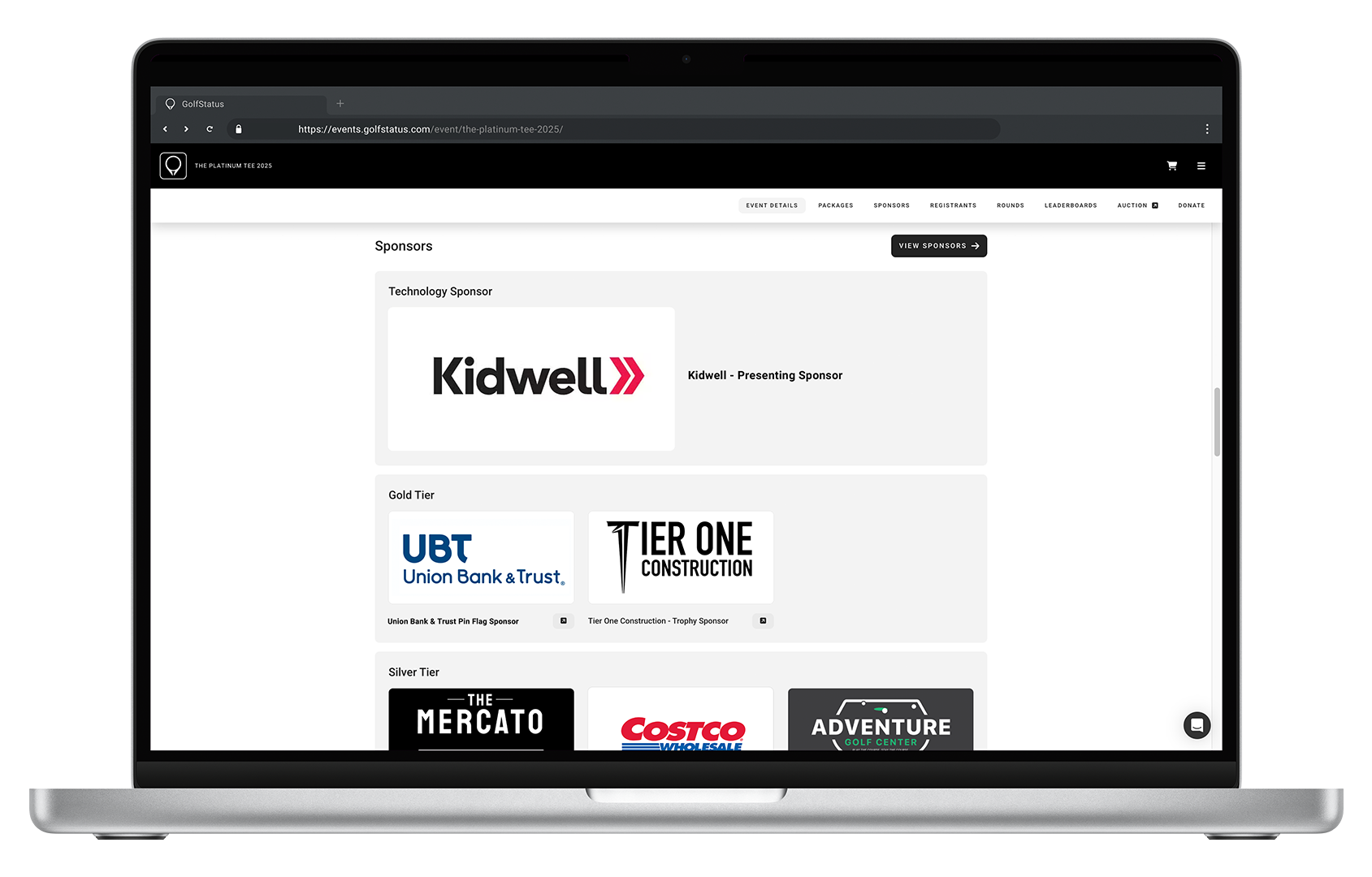
Cash Dinkel: It makes it easier on facility staff because they aren’t chasing spreadsheets, random emails, and texts the week of the event. The organizer can see registrations, payments, team rosters, and sponsorships in the software, and when you share access with the golf facility, they get accurate info without having to wait for an email or a text of a player list. It also cuts down on last-minute surprises because updates happen in real time, and everyone’s looking at the same source of truth instead of five different versions of a roster.
Jason Meininger: For the organizer, tech lets them have all of the information in one spot—golfer names, team names, handicaps, sponsor information—along with records of all of the financial transactions. For the golf facility, when they have access to the software, they can quickly check on the number of players registered and plan accordingly. At the end of the round, tech like this also allows scoring and results to be finalized promptly.
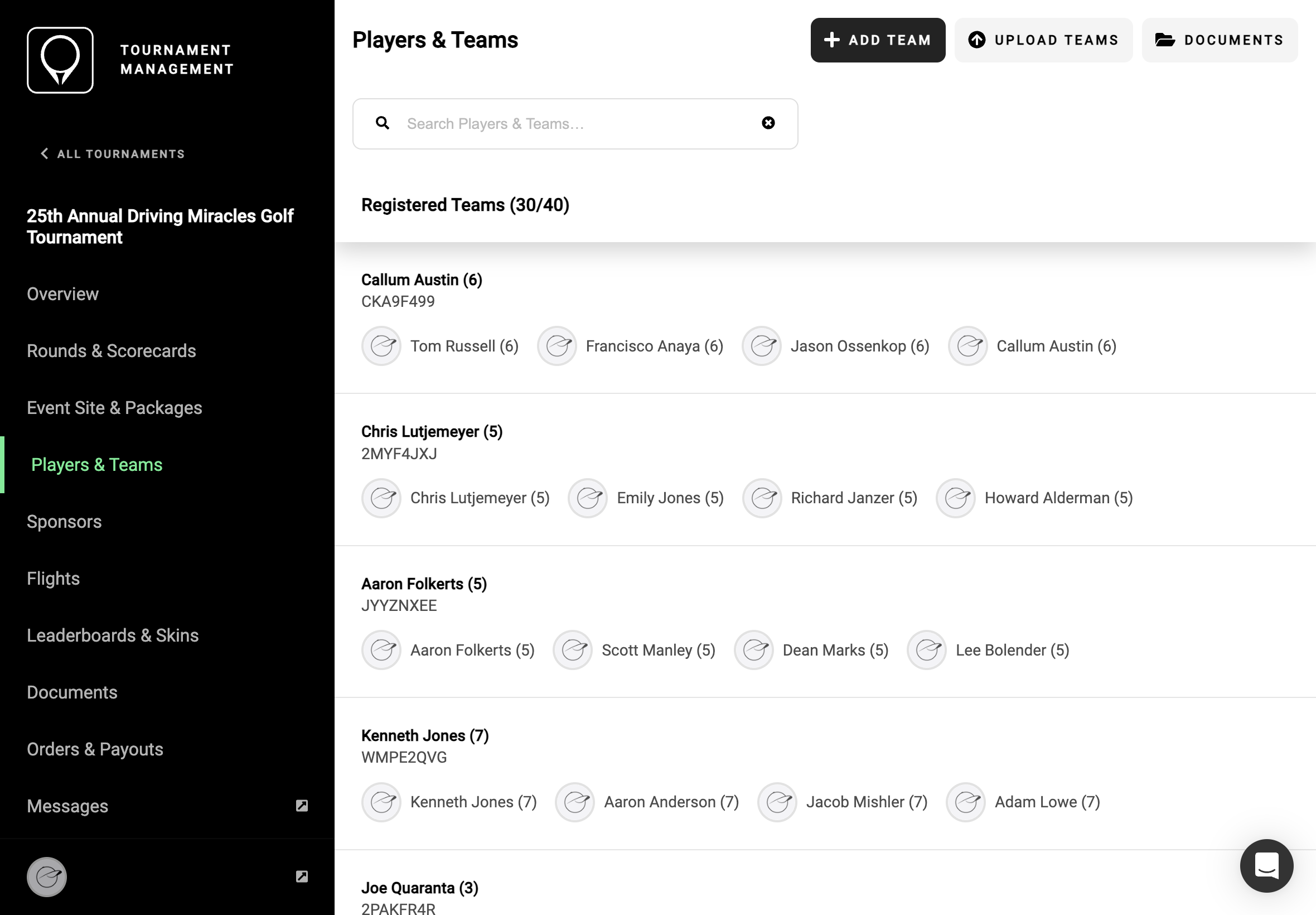
Sharing access to your golf event management platform with golf staff lets them access real-time registration numbers and plan accordingly.
Q: What information needs to be confirmed with the golf facility in the days leading up to the event?
Cash Dinkel: Final headcount/number teams, format, contests, start time, check-in schedule, cart/signage plan, sponsor placements, food counts/timing, and the weather plan. If those are locked in, the day runs smoothly.
Jason Meininger: Number of players, count for food and beverage (if handled by the golf facility), contest holes, alpha list of players and pairings, the day’s schedule, and starting hole assignments.
Q: Who typically handles these to-dos on tournament day: the golf facility or the tournament organizers?
| Cash Dinkel | Jason Meininger | |
|---|---|---|
| Tournament Setup | ||
| Greeting golfers | Both. Mostly tournament organizers, but a great facility ensures that all staff members greet players with a smile. | Both, but more so the tournament organizers. |
| Directing traffic | Mostly the facility staff, but tournament volunteers and facility staff should help direct players as they are checking in for the day. | Both, but mostly golf facility staff. |
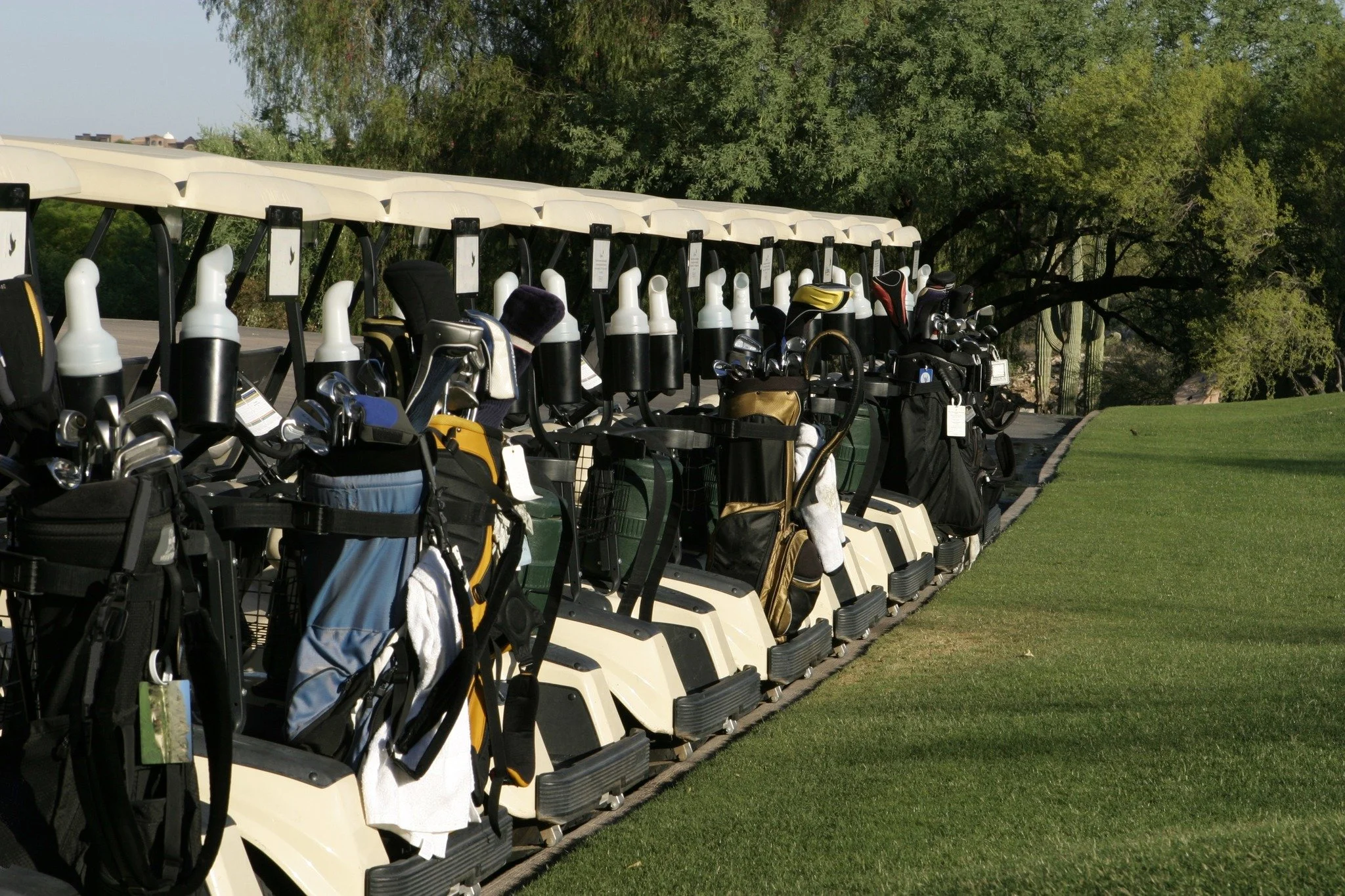
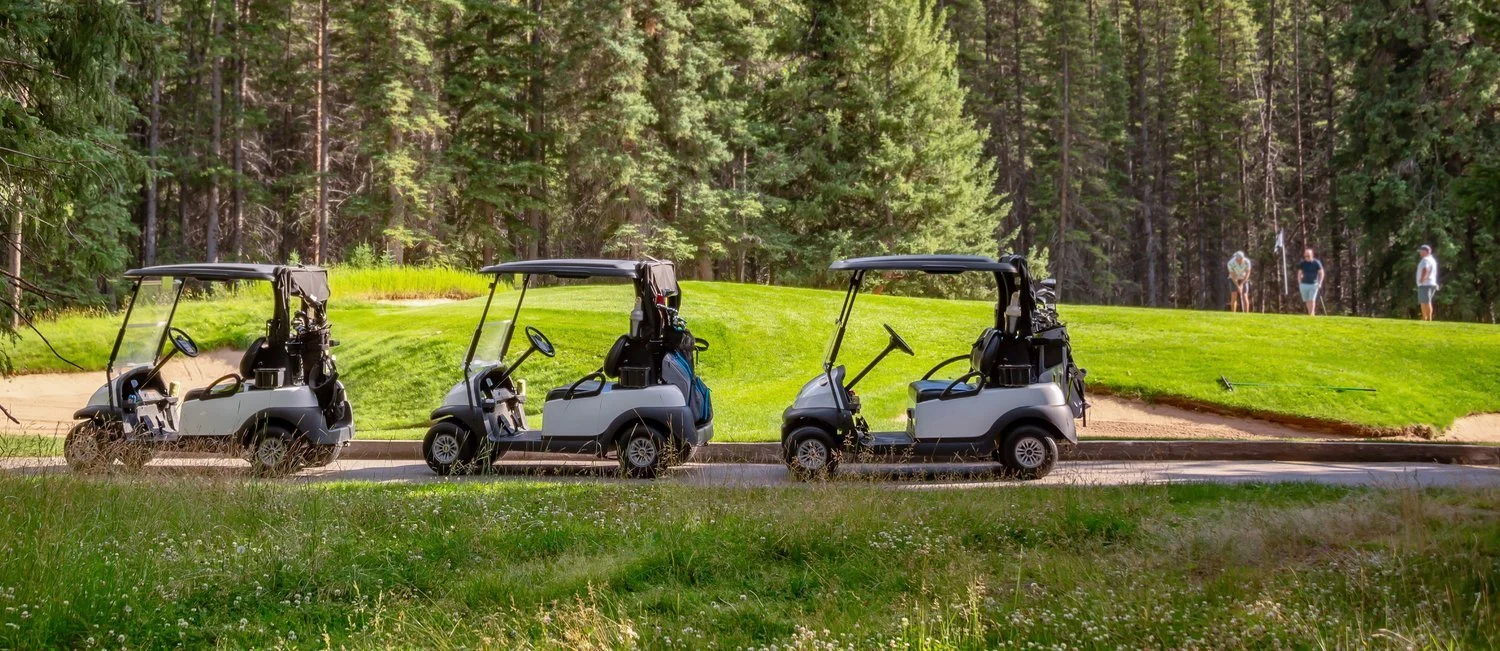
| Prepping golf carts (swag bags, cart signs, etc.) | In my opinion, golf staff should handle this for you—if not, find a new course. | Both |
| Hole signs | Golf facility staff | Golf facility staff, but organizers often help. |
| Other signage | Golf facility staff | Organizers, but golf facility staff usually help. |
| Pin flags | Golf facility staff | Golf facility staff |
| Registration | Golf facility staff will set up tables and signs, but tournament organizers handle everything else. Organizers check in golfers and teams. | Organizers take the lead, but golf facility staff will usually provide tables, chairs, linens, etc. |
| On-course games | Golf facility staff | Both |
| Contests (putting, hole-in-one, etc.) | Golf facility staff | Golf facility staff |
| Food and beverage | Golf facility staff | Golf facility staff, if they provided it. |
| Raffle | Tournament organizers | Tournament organizers |
| Auction | Tournament organizers | Tournament organizers |
| Add-ons (ball drops, entertainment, etc.) | Both, depending on the specific add-on. | Tournament organizers, in partnership with golf facility staff. |
| End of Day Tear Down | ||
| Hole signs | Golf facility staff | Both |
| Other signage | Golf facility staff | Both |
| Pin flags | Golf facility staff | Golf facility staff |
| Registration | Golf facility staff will take care of their items, but organizers will need to take care of their items that they brought. | Both |
| On-course games | Golf facility staff | Both |
| Food and beverage | Golf facility staff | Golf facility staff, if they provided it. |

Golf facility staff keep your event running smoothly by handling all the behind-the-scenes tasks.
Q: What main tasks can I expect the golf facility staff to take care of on tournament day?
Cash Dinkel: On tournament day, the facility staff is basically keeping everything running in the background so you and your committee can focus on the guests and fundraising. Most commonly, they’re handling cart staging and cart signs, bag drop, getting the range balls and practice areas ready, and making sure the course is set (pins, tees, pace-of-play setup, proximity markers, etc.). They’ll also coordinate the starter for announcements and the sendoff, manage on-course support (rules questions, medical/safety, weather calls), and keep an eye on pace of play so things don’t go sideways.
On top of that, they’re usually managing the facility-side operations, such as food and beverage execution (lunch, beverage carts, dinner/awards timing), staffing, and interdepartmental communication, plus any last-minute fires that pop up (no-shows, swaps, cart issues, sponsor drop-offs). If it’s a well-run facility, you won’t even notice most of what they’re doing.
Jason Meininger: Scoring, providing gift certificates, and finalizing and announcing winners. They should put out hole-in-one contest signs and custom flags, if applicable. They’ll handle all the behind-the-scenes stuff (that you shouldn’t even notice is occurring).
Ask the Pros!
Have a question for GolfStatus’ PGA Professionals? Email it to [email protected] with “PGA Pro Question” in the subject line, and it might be featured in a future blog post or an upcoming GolfStatus webinar.
GolfStatus’ golf event management tech helps ensure a smooth, hassle-free tournament day. From tracking registrations and payments to managing sponsors and team pairings, GolfStatus keeps you organized from start to finish. You can get started with GolfStatus at no upfront cost and get a free event registration website, dedicated support, access to fundraising tools, and much more. Click the button to book a meeting and learn more!