A Q&A With PGA Professionals: The Ins & Outs of Contests
 

No one knows the ins and outs of a golf tournament like a PGA Professional. These individuals bring a high level of expertise to all aspects of golf, including facility operations and management, customer service, finances, event management, and, of course, the game itself.

This Q&A blog series will share the collective wisdom and experience of the PGA Professionals on staff at GolfStatus—Cash Dinkel, PGA; Jason Meininger, PGA; and Paul Murcek, PGA—about topics relevant to charity golf tournaments. This installment will take a closer look at contests and how to work with the PGA Pro on staff at your event’s host golf facility to make them a success.

The PGA Professionals on staff at GolfStatus, from left: Paul Murcek, PGA; Cash Dinkel, PGA; Jason Meininger, PGA


Q: My planning team made the decision to have a hole-in-one contest at our upcoming tournament. What’s next?

Cash Dinkel, PGA: To start, list a Hole-In-One Contest Sponsorship. This covers the cost of the insurance and offers a unique sponsorship. I always recommend allowing the sponsor to set up a tent or table on the contest hole. Sponsors are looking for ways to interact with golfers and there’s no better way to do that than being on the course on the most exciting hole of the day. Once you list the sponsorship, work with your contest/insurance provider to get all the rules and details around the contest.

Q: How can the golf pro help us with the hole-in-one contest?

Jason Meininger, PGA: You’ll want to get in touch with the golf professional so they can help you determine which hole or holes you should use for the hole-in-one contest. This makes sure you have the proper distance requirements for the hole-in-one insurance.

Cash Dinkel, PGA: You should definitely loop the golf professional in so they know exactly what’s going to be happening the day of the event and help you choose the contest hole. You should go over the contest rules with them so they can help ensure the hole is set up within the insurance company’s guidelines (hole yardage, number of players, etc.). In the final days leading up to the event, the pro can help you double-check that the hole-in-one contest is set up correctly and ready to go.

A golfer hits a tee shot on a par three as part of a hole-in-one contest.
 

Q: I’m interested in GolfStatus’ Bundle Hole-In-One Package. What are some ways you’ve seen tournaments effectively split up the contest holes?

Paul Murcek, PGA: The most common way I’ve seen it done is to split the contest into two holes, one on the front nine and one on the back nine, with $10,000 cash and a Dormie Network Stay and Play package as prizes.

Jason Meininger, PGA: I’ve worked with a few 27-hole events and facilities. They typically split it up over three holes, one on each of the three nines, with a $7,000 prize on each. That way no matter what nine holes are being played, every golfer has a chance at a hole-in-one contest.

Cash Dinkel, PGA: I see a lot of events that run two contest holes, with a $10,000 cash prize on each hole plus a Dormie Network membership. I’ve even seen it split over four holes, with $5,000 cash for each contest hole. That’s the cool part about that package, it gives the organizer a lot of flexibility.

Q: What does the golf pro usually take care of in terms of other contests, like longest drive or closest to the pin?

Jason Meininger, PGA: When I was the head pro at a golf course, I would primarily take care of making up and setting up the flag prizes and picking them up after the round (if the players didn’t bring them in). I would also provide the event organizer with a document listing the holes and each winner’s name.

A PGA Professional provides guidance while a golfer takes a swing.


Paul Murcek, PGA:
Most golf pros will set out proxy markers or hole contest signs for the organizer. Some golf facilities that I’ve worked with build in prizes with pricing, such as prizes for flight winners of a free round at that course or a gift certificate to the pro shop. This removes the burden of finding prizes for the tournament winners from the organizers.

Cash Dinkel, PGA: Some courses will set everything up for you, provided you let them know the details about the contest, and let you know the winners’ names after the event is over. Some facilities might require you to select the holes, but they’ll still take care of putting out the proxy markers and provide you with the winner’s information. Very rarely will the organizer have to handle everything from selecting the hole, setting out proxies, and collecting them post-event.

A: What type of contest do you think has the most revenue potential and why?

Cash Dinkel, PGA: A hole-in-one contest for sure. If it’s sold as a sponsorship, the contest can generate a few thousand dollars of revenue even after the insurance premium has been paid. Most events I work with bring in around $1,500 in revenue from a hole-in-one contest sponsorship.
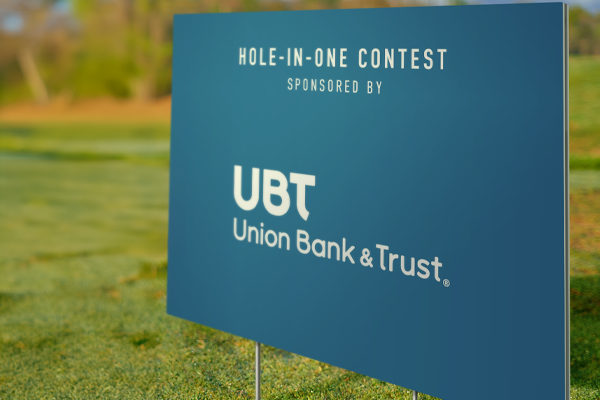
A sign announcing the sponsor of a hole-in-one contest at a charity golf tournament.


Jason Meininger, PGA:
Other than hole-in-one, I’d say a putting contest. It’s fast, easy to run, and you can have every golfer putt at the same hole at the same time.

Paul Murcek, PGA: I think next to a hole-in-one contest, a closest to the pin contest on a par three or a hit the green on a par three. In my experience, people are generally willing to pay the money to move their ball up a few yards.


Ask the Pros!

Have a question for our PGA Professionals? Email it to [email protected] with “PGA Pro Question” in the subject line and it might make a future blog post or be answered on an upcoming GolfStatus webinar!

Ready to get started with no-cost golf event management tech? Nonprofits can qualify to use GolfStatus—with an event website, online registration, communication tools, premium digital sponsor exposure, revenue-boosting add-ons, and more, plus access to GolfStatus’ in-house client success team (including knowledgeable PGA Professionals)—all at no upfront cost through our Golf for Good program. Click the button to find out more and get qualified!

Get qualified
 
 
Golf Event Planning with Logan Foote from GolfStatus
 

Our guest on this episode of The Chicago Golf Report podcast is Logan Foote from GolfStatus, a leading event management platform for charity golf tournaments and fundraisers. GolfStatus allows you to accept registrations, sell sponsorships, collect donations on your custom event website, and manage information in the software’s intuitive backend.

In this interview, we discuss:

  • Why automating tasks like creating a custom event website, managing registrations, and collecting payments can save golf event organizers time and money.

  • How technology sponsorships can easily help events raise more money.

  • The top reasons why golf outings have seen a surge in popularity.

  • Why golf is a great fundraising vehicle for just about any cause or organization.

  • An entertaining option that GolfStatus provides that can add an element of competition to your event.

  • Creative strategies and ideas event organizers can use to maximize their fundraising efforts.

  • The powerful tool that golf outing managers should be using to promote their events and tell the story of the charity they are supporting.


Press & NewsGuest User
Product Alert: New GolfStatus App Makes Live Scoring Easier Than Ever
 

The GolfStatus mobile app has been completely reimagined to make live scoring golf tournaments—from miniature golf events to massive, multi-day tournaments—easier and more seamless than ever before.

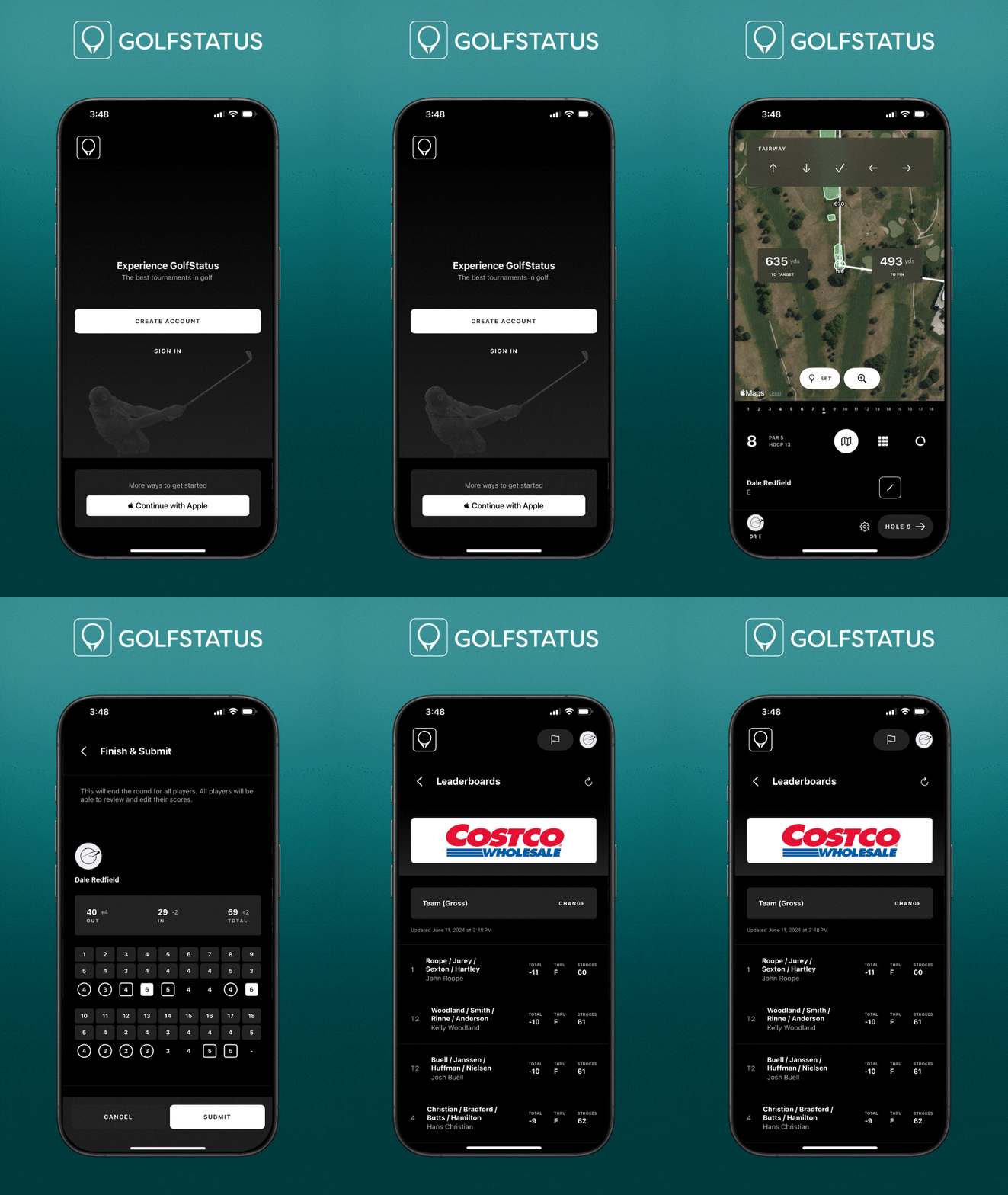
Screenshots from the newly updated GolfStatus app are shown on a smartphone.

What’s New?

  • Updated Design. The app has gotten a facelift, with a modern and updated look and feel that enhances usability.

  • Simplified Navigation. The app’s menus and features have been consolidated for quicker, easier navigation.

  • Enhanced Tournament Features. Easily find your upcoming tournaments and start live scoring your round with just a few taps. See starting holes and scorecards for all tournament rounds.

  • Light and Dark Mode. The app automatically defaults to light or dark mode, based on the set mode for the device.

  • Tournament Recommendations. GolfStatus will share tournament recommendations based on your location. You can also explore tournaments in your area and register right from the app.

  • Updated Map Views. Find golf courses in your area with ease using the updated map view. 

  • Additional Details & Tracking. Explore detailed scorecard breakdowns for all leaderboard types, plus the ability to edit scores and advanced stats and add notes as you play.

  • Elevated GPS. Customize your map settings to show the distance to the front and back of greens, fairway runouts, and bunkers.


Download the updated app today!

Learn how to use the app to
live score a tournament

Quick Start Guide

Powerful, user-friendly &
no upfront cost

The GolfStatus mobile app remains free to download and is incredibly easy to use, with reliable live scoring for golf tournaments of all types and sizes and tools to track statistics for every round that help you play better golf. Tournament organizers and golfers can also lean on GolfStatus’ in-house support team to answer questions and troubleshoot any issues.

Two men look at their phones to live score a golf tournament using the GolfStatus app.

The GolfStatus app is part of its robust tournament management software that helps event organizers run better tournaments that raise more money. Qualifying nonprofits (or those holding a third party event to benefit a nonprofit or charity) can use GolfStatus at no upfront cost through the Golf for Good program. Learn more and get qualified!

Get qualified
 
 
Project Purple Builds Community & Raises Funds Through Golf
 
Four people pose under an arch at the Project Purple golf fundraiser.

Partner Snapshot

When Dino Verelli’s father, Giovanni, was diagnosed with pancreatic cancer in 2008, he found very little in terms of support or resources for pancreatic cancer families. Dino decided to take action to rewrite the story of this formidable disease. He launched Project Purple in 2010, fueled by a commitment to his father and the countless other patients and families affected by pancreatic cancer. Sadly, Giovanni passed away in 2011, but his memory is honored through Project Purple’s work to raise awareness, drive crucial research into early detection, and provide aid to patients and families battling pancreatic cancer.

Pancreatic cancer has just a 13% five-year survival rate. Its symptoms often don’t present until the disease has advanced and spread to other organs, making early detection—when the chances of successful treatment are the greatest—even more of a challenge. Vin Kampf, Program Director at Project Purple, lost an uncle to pancreatic cancer within just six months of diagnosis, inspiring him to join the Project Purple team.

“One of the most important things we do is build community,” Vin says. “It trickles down into our other areas of focus.”


Fostering a community of support helps patients connect with others who are in the same fight. It’s been life-changing!
— Vin Kampf, Program Director at Project Purple

The Challenge

Vin oversees the marathon program at Project Purple, which raises funds through individual runners in marathons and races across the world. The program has helped build the community that’s become so important to the organization, joining together with the pancreatic cancer patients, their families, and the institutions conducting crucial research into a cure.

Vin also loves golf. He’s played in a number of golf fundraisers and helps with a tournament organized by an aunt in memory of his uncle. He saw the fundraising potential and reach of such an event, and wanted to bring that to Project Purple. “Who doesn’t love being outside, being together with others working toward a common purpose, and connecting with them on new levels?” he says. He started to think about how a golf tournament might work for Project Purple—and then the COVID-19 pandemic hit.

“All marathons were canceled, but we were able to move forward with a golf fundraiser,” Vin says. “It was the one fundraising event we could do safely.” They threw the first tournament together in just a few months for a fall event, then had a quick turnaround when they opted to move the tournament to June. He used the organization’s CRM and multiple spreadsheets for the first two tournaments and ran into roadblocks. “It felt clunky and inefficient, and the registration site didn’t look good or work very well,” he says, and began looking for a better way to plan and manage the tournament that was structured to handle golf.

A banner and signage recognizing sponsors are posted at Project Purple's golf tournament.

Organizers wanted to make its annual charity golf tournament a marquee fundraising event for Project Purple.

The Solution

In the middle of planning for year two of the tournament, Vin started researching software options and came across GolfStatus.“We really wanted the golf tournament to become a marquee event for us, and we needed a solution that reflected that,” Vin says. He downloaded a handful of tournament planning resources from the online resource library and connected with the GolfStatus team. 

Once he learned more about the software’s capabilities, the premium sponsorship and add-on options, and the top-notch customer service, Vin realized GolfStatus was what was missing from the golf tournament. 

The homepage of Project Purple's golf tournament website is displayed on a laptop computer.

An event website made it simple for golfers and sponsors to purchase teams and sponsorships.


We really wanted the golf tournament to become a marquee event for us, and we needed a solution that reflected that.
— Vin Kampf, Program Director at Project Purple

The Results

The tournament has grown every year since it began, and Vin credits GolfStatus with helping reduce costs and opening doors to additional revenue streams. The 4th annual tournament brought in $130,000, which will fund patient financial assistance programs and research grants for early detection.

Boosting Revenue With GolfStatus Exclusives

Vin and his planning team are constantly looking for ways to boost revenue from the tournament, and GolfStatus provided a menu of options that elevated the tournament. GolfStatus’ Technology Sponsorship was folded into the tournament’s Title Sponsorship, providing additional value and touchpoints across the platform. The tournament also sold a Pin Flag Sponsorship that provided high-quality, TOUR-caliber pin flags on all 18 holes. “The flag sponsor was ecstatic!” Vin says. “He was over the moon about how great the flags looked and the exposure they got.”

What’s more, GolfStatus’ Bundled Hole-in-One contest package added two more premium sponsorships. “The Dormie Network prizes alongside the cash prizes made a ton of sense for our tournament,” Vin says. “We split the contest to two holes to capitalize on another sponsorship.”

Project Purple’s golf event raises funds for patient assistance and early detection research.

Increased Efficiency & Streamlined Tournament Management

Vin says the first year of the tournament felt like “organized haphazardness.” Between trying to get their CRM to function effectively for the golf tournament to creating processes that maximized the small planning committee’s time, Vin says they learned a lot, but knew planning and management could be improved from top to bottom.

“GolfStatus immediately saved us time and kept us organized,” he says, and laughs that “the spreadsheets could finally go away!” They simply share the link to the golf tournament website in all promotional materials where golfers purchase their team and any add-ons. Sponsors can browse available packages and submit their logos and messaging right through the event website, saving a ton of back and forth. “No one had any issues, it was super easy to get golfers and sponsors registered.” All golfer, sponsor, and payment information is accessible in the software’s back end, which Vin says was easy to navigate. And if he did have questions or needed guidance, GolfStatus’ in-house client success team was available whenever Vin needed them.


GolfStatus was transformative for our golf tournament. Everything is so streamlined and seamless.
— Vin Kampf, Program Director at Project Purple

Project Purple unlocked GolfStatus’ invoicing feature to work with some of the tournament’s sponsors, and says that was a huge time-saver for Vin. “I could send invoices right through the software, which freed up a ton of time for me to work on getting sponsors.”

The pre-formatted printouts saved even more time. Vin says a few days before the event, he was able to find the documents he needed—alpha lists, hole assignments, rules sheets, and scorecards—and just click print. “It was all ready to go!” Vin says.

A man speaks into a microphone standing next to a photograph of a woman who is being recognized as a pancreatic cancer surivor.

The Hall of Fame ceremony has become a special part of the golf tournament. It recognizes people who have battled pancreatic cancer and had an impact on the Project Purple community.

Creating Cause Connecting Through the Project Purple Hall of Fame

Perhaps the most impactful part of the tournament is the addition of a hall of fame induction ceremony to the post-round dinner. It’s become a special moment of honor and recognition for individuals who have battled pancreatic cancer and had a deep impact on the Project Purple community. Inductees or their families receive a purple jacket and their picture hangs in the organization’s offices as a reminder of their fight against the disease.

“The hall of fame ceremony is such a meaningful part of the tournament,” Vin says. “People hear from those who have fought pancreatic cancer or family members of someone who passed away from it. It helps everyone understand the importance of what we’re doing.”

Building Momentum

Vin hopes to use the lessons learned from the Golf Classic for Pancreatic Cancer to build momentum and empower supporters to plan golf tournaments that raise money for Project Purple. “GolfStatus has helped us build the template for that—we just have to plug and play,” Vin says.

They’ve built a strong relationship with the host golf course, Shorehaven Golf Club in Norwalk, Connecticut, and are looking to broaden their volunteer and sponsor bases. “We have a great story to tell and more to offer sponsoring businesses,” Vin says of the digital exposure provided by GolfStatus, coupled with other ad space and exposure opportunities on the organization’s website. 

A man hits a tee shot on a golf course.

Project Purple’s golf fundraiser has grown every year since it began, and organizers credit GolfStatus with helping reduce costs and opening doors to additional revenue streams.

As Project Purple continues to build momentum for a cure, they’re building momentum for the 15th anniversary of the organization and the 5th annual golf tournament. Vin says he has big plans to mark the occasion—and big goals. He says he hopes to raise $200,000 in year five, bringing in more dollars to help patients cover bills and expenses so they can focus on fighting their cancer and fund early detection research that boosts survival rates. 

Vin is already planning for next year and looking for ways to elevate the experience for golfers while also raising more money. He knows $200,000 is a lofty goal, but is confident they can get there. “It’s a lot of work, but it’s been so rewarding at the end of the day. When everything comes together, and I’m driving around the course and seeing so many smiles, it’s all worth it.”


See how their 2025 event went


Golf for Good

As a nonprofit, Project Purple qualified to use GolfStatus’ golf event management software at no upfront cost through the Golf for Good program. Nonprofits can get an event website, client-only add-ons and sponsorships, access to Fundraising Specialists, time-saving tools, and much more. Click below to book a meeting with our team to learn more and get qualified!

Book a Meeting
 
 
7 Myths About Charity Golf Tournaments & Why They’re Not True
 

by Jen Wemhoff, Communications Manager at GolfStatus

It happens all too often—nonprofits looking to add a new revenue stream to their fundraising portfolio write off the possibility of a golf tournament because they have preconceived notions about such events. From misunderstandings about income potential to doubts about their true impact, these myths can deter organizations from jumping into golf fundraising.

Here are seven common myths about charity golf tournaments—and the facts that prove them wrong.

A woman writes on a notepad while working on a computer planning a charity golf tournament.
 

Myth #1: You have to know all about golf to be successful

Fact: You don’t have to be a golfer or understand the intricacies of the game to plan a lucrative golf tournament.

A deep knowledge of the game simply isn’t necessary. In fact, many successful golf tournament organizers aren’t golfers. What do they have to help them be successful? A golf-specific tool that helps them manage the intricacies of a golf event. The key here is using an event management platform that’s designed for golf and makes it easier for tournament organizers of all experience levels to plan, manage, and execute a lucrative golf tournament. You’ll want a software solution that lets you effortlessly collaborate with your planning team and the golf facility and has a knowledgeable, responsive support team to help you along the way.

Myth #2: It’s impossible to make money from a golf tournament

Fact: Golf tournaments have a ton of revenue potential.

Whether you hold an 18-hole golf tournament at an exclusive, high-end private golf club or a putt putt event at a local mini golf course, golf comes with a ton of fundraising potential. While there are certainly expenses associated with a golf event—such as facility rental, greens fees, cart rental, food and beverage, player gifts, and promotional expenses—there are even more opportunities to bring in funds. Sponsorships are where you’ll likely raise the bulk of your tournament’s money, but they can be supplemented by golfer registrations, add-ons like mulligans or contest entries, raffle tickets, auctions, on-course games, or donation appeals.


Download a free budget template

This sample golf fundraiser budget spreadsheet helps charity golf tournament organizers outline, plan, and manage the event's budget. Simply add your tournament's specific information and get a clear overview of all revenue and expenses associated with the event, track vendor estimates, and instantly see a profit-loss summary.


Look for an event management platform that comes with multiple avenues to raise additional funds, such as:

  • Premium digital sponsorships

  • The ability to collect donations on your event website

  • The ability to pass processing fees on to registrants

  • The ability for registrants to “round up” their order total

  • Custom registration packages for mulligans, contest entries, raffle tickets, and more

A screenshot of the checkout screen of a golf tournament website is displayed on a laptop.

An attractive, professional event website makes it easy to raise even more money from a charity golf tournament.


Myth #3: I don’t need golfers in my donor base

Fact: Golfers represent a highly desirable demographic of potential donors.

If you’re not holding a golf tournament, or worse yet, not collecting golfers’ donor data, you’re missing out on an affluent, influential demographic of the population. In general, golfers have a significantly higher than average net worth and annual income—giving them a higher capacity to give. Over half of golfers are between the ages of 25 and 55, an age group with a great deal of spending power and an interest in supporting charitable causes through a sport they enjoy.

What’s more, when golfers tap their networks to assemble a team for a charity golf outing, your donor base instantly expands, exposing even more people—and more potential donors—to your work and mission. Your tournament’s sponsors also present an opportunity to forge strong relationships with new or existing corporate partners for support beyond your golf event.

Myth #4: Golf Tournaments Are Outdated & Boring

Fact: Golf is more popular than ever.

The National Golf Foundation reports that 531 million rounds of golf were played in 2023, which surpasses the previous record high set in 2021. In general, rounds played are up 10% from the pre-COVID average between 2015 and 2019. Roughly one-third of the total population of the United States (over the age of five) interacted with the sport in some way in 2023, either by playing golf, following it on TV or online, reading about it, or listening to a golf-related podcast—which is up 30% since 2016.

Why are these numbers important? Because charity golf tournaments tap into golf’s surging popularity, meeting donors where they’re already spending time—on the golf course. When golfers are able to support a cause they care about or one they’ve just learned about because they played in a tournament, they’re more likely to come back year after year to engage with that organization.

Two men bump fists on a golf course at a charity golf tournament.

Charity golf tournaments meet donors where they’re already spending time—on the golf course.


Successful golf tournaments also focus on the overall experience, providing a professional, memorable day for golfers and sponsors. There are a number of ways to add fun, excitement, and even extra fundraising to charity golf tournaments, such as:

  • Contests, like hole-in-one, longest drive, closest to the pin, or putting

  • Skins games

  • Beat the pro contest

  • Mulligans

  • On-course games or challenges

  • Live or silent auctions

  • Demonstrations on tee boxes

  • Post-golf entertainment

  • Custom player gifts

  • Live leaderboards

Myth #5: Sponsors Aren’t Interested in Supporting Golf Tournaments

Fact: Golf tournaments have a unique value proposition.

Golf events offer a unique blend of engagement, networking, and fun that other fundraising events simply can’t match, making them especially attractive to sponsors. Unlike traditional fundraisers, like galas, golf tournaments provide participants with a full day of an activity they enjoy. The nature of golf encourages interaction and relationship-building in an informal, relaxed setting, which can be especially beneficial for sponsors looking to connect with golfers on a more personal level.

Golf tournaments also present numerous opportunities for creative sponsorships and branding that are less intrusive—but more effective and memorable. The addition of the digital exposure and impressions provided by your golf event management platform gives sponsors multiple touchpoints to gain visibility and recognition throughout the event. Having a variety of sponsorship options also accommodates different levels of financial commitment, making it easier to attract sponsors with varying budgets.

A screenshot showing sponsor logos on a golf tournament website is displayed on a laptop computer.

Digital exposure adds a ton of value to golf tournament sponsorships.


Myth #6: Golf Tournaments Are Too Much Work

Fact: With the right technology in place, golf tournaments provide tremendous ROI for nonprofits and charities.

Yes, golf events come with a number of moving pieces and unique details to handle. But having the right resources at your disposal saves time, effort, and hassle. Technology specific to golf tournaments simplifies planning, management, and execution, with baked-in solutions that make it a breeze to:

  • Promote your tournament

  • Collect registrations

  • Build and sell custom sponsorship packages

  • Onboard sponsors and provide digital exposure

  • Manage golfer and sponsor data

  • Make hole assignments

  • Collaborate with the golf facility’s staff

  • Print day-of documents

  • Run reports and track payments

Instead of siloed information across multiple platforms and spreadsheets, golf event management tech makes everything accessible with one login. And unlike traditional event management platforms that require endless workarounds to function properly for a golf tournament, you can handle golf-specific tasks like GHIN handicaps, team pairings, hole assignments, and live scoring with just a few clicks. The end result? A ton of time savings and more money raised for your mission.

A man wearing a headset sits at a desk working on a computer.

GolfStatus’ in-house client success team is available with live support seven days a week.


Myth #7: There’s No One to Help Me

Fact: Tools, resources, and support are available to help you hold a successful charity golf tournament.

You aren’t alone! Help is available, from software solutions and tournament planning resources to troubleshooting and live support seven days a week. Nonprofits, charities, and third parties holding golf events to benefit a cause can qualify to use GolfStatus’ golf event management platform at no upfront cost through the Golf for Good giveback program. You’ll get a free golf tournament website, online registration and payment processing, live scoring and leaderboards, exclusive sponsorships and add-ons, and a dedicated client success rep there to help you every step of the way. Click the button below to learn more and get qualified for Golf for Good!

Get qualified
 
 
Alumni Association Establishes Golf Tournament to Engage Members & Raise Funds
 
Two men and two women pose next to a golf cart at an alumni association golf tournament.

The goal of the golf tournament was not only to raise money for a scholarship program, but to build strong connections among the chapter’s alumni.

Partner Snapshot

The Collin County Chapter of the Texas Tech Alumni Association had been defunct for several years when a group of local alums decided to resurrect it. As the chapter began to get back on its feet, the primary goal was to engage alumni and raise funds for a scholarship program. 

Collin County is located in North Dallas, Texas, with a large population base of Texas Tech alumni. The newly active chapter started out by hosting watch parties for Red Raider athletic events, but wanted to do more to build connections and replenish their coffers.

Though Sam Clark wasn’t a member of the initial board, he quickly volunteered to head up a golf tournament that would help the group reach its goals of alumni engagement and fundraising. “It was basically a done deal that we were going to have a golf tournament,” Sam says. “Everyone on the board plays golf or is a member at a country club, and everyone knew it was a great way to raise money.”

The Challenge

Right off the bat, Sam had questions. Though he had played in charity golf tournaments, he’d never planned one from ideation to fruition. “I wondered how we should handle registrations, payments, leaderboards, pin flags, and so many other details,” he says. Much of the initial planning phase was spent determining the overall approach to the golf tournament: target audience, the type of golf facility (public or private), price points (high-end or mid-level), and a budget. 

Next up? Determining processes and tournament operations. Sam knew they’d need a website of some type to collect registrations and handle payments, which he knew could end up being a hassle if they tried to build something from scratch or went with the wrong event management platform. What’s more, Sam wanted a one-stop shop for quality tournament add-ons so there were fewer vendors and moving parts to manage.

The Solution

Another member of the chapter’s board, Russell Hall, had run several tournaments through GolfStatus, and told Sam it was just what he needed. Once the major decisions were made about the host golf facility and team pricing, Sam connected with the GolfStatus team to get an event website up and running. 

“Since we were starting a tournament from scratch, I wanted one place to manage everything,” Sam says. “GolfStatus got us up and running quickly. It would have been a major headache to have to spend hours and hours trying to get a site built and payment processing set up.” Sam worked with the GolfStatus team to build the event website, share access to the software with members of the planning committee, and set up everything in the platform’s back end.

The home page of the Raider Cup charity golf tournament is shown on a laptop computer.

Tournament organizers worked with GolfStatus to get an event site up and running quickly, so they could start promoting the event and taking registrations right away.

The Results

“I honestly don’t know how we would have done it without GolfStatus,” Sam explains. “It would have quadrupled—or more—the work and time that went into the tournament.” The event pulled in 32 teams and primarily targeted local Texas Tech alumni. The nature of the tournament was centered around the Red Raiders in terms of giveaways and messaging, but no one was excluded. “A couple folks showed up that supported rival schools and had to deal with some friendly ribbing from the alums,” Sam laughs.

“For year one, we felt good about how we did,” Sam says about the tournament’s fundraising outcomes. He says they didn’t have a fundraising goal so much as they had a budget to balance with expenses and profit, plus learn from the first year to do it “bigger and better” in year two and beyond. The tournament’s revenue was split between a donation to the Texas Tech Athletic Department and the bulk going to reestablishing the chapter’s scholarship fund. Sam says that connecting alumni, with each other and the chapter, was just as important as the money that was raised.

To recruit sponsors, the planning team leveraged the networks of the chapter’s board and committee chairs and reached out to businesses in the area owned by alumni of Texas Tech. Those connections and relationships helped draw 22 sponsors to the tournament. GolfStatus’ exclusive Technology Sponsorship sold for $3,000 and provided robust sponsor exposure on the event website and leaderboards.


I honestly don’t know how we would have done it without GolfStatus. It would have quadrupled—or more—the work and time that went into the tournament.
— Sam Clark, Golf Committee Chair, Texas Tech Alumni Association of Collin County

Tournament Add-Ons

From the outset of planning, Sam knew the tournament needed quality add-ons that players expect when playing in a charity event, such as pin flags, hole-in-one contests, and high-end auction items. The fact that GolfStatus was able to provide all of this and more was huge for Sam and his team. “Having one place to get everything meant fewer things to manage,” Sam says. 

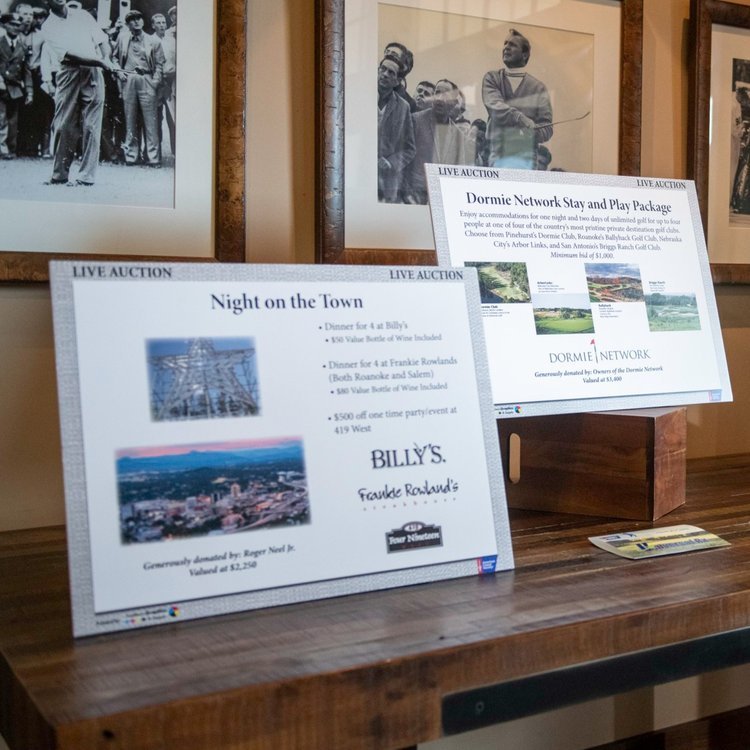
They purchased pin flags and hole-in-one insurance directly from GolfStatus, which handled all the details, plus unlocked the platform’s invoicing feature to simplify accounting for sponsors that requested invoices. The sale of the Technology Sponsorship and purchase of add-ons qualified the tournament for a Stay and Play package donation from the Dormie Network Foundation, which was leveraged as a high-end live auction item that brought in thousands of extra dollars. An accompanying silent auction also featured signed memorabilia from the Texas Tech Athletic Department and items donated by local businesses.

The chapter used its relationship with the main Texas Tech Alumni Association to involve some big names in the Athletic Department in the tournament. Head men’s basketball coach Grant McCasland, head football coach Joey McGuire, and the Red Raider mascot were in attendance, which attracted both golfers and sponsors to the tournament and added value and legitimacy to the overall event experience. 

“Incredible” Support

Sam says the support he got from the GolfStatus client success team was second to none, responding to questions and addressing any challenges right away. GolfStatus has PGA Professionals on staff, who provide a unique perspective and know the ins and outs of golf tournaments. Sam says he’s worked in customer service as an account representative before, and he says the service provided by GolfStatus “put me to shame! They were so knowledgeable and responsive.” Sam worked closely with Paul Murcek, PGA on the client success team. Paul helped build the event website and provide guidance on hole-in-one packages, and provided “incredible support, which is huge when throwing a big event like a golf tournament.”

Two laughing men pose in a golf cart at a charity golf tournament.

The tournament achieved its goals of raising funds for the chapter and connecting with alumni.

Lessons Learned

As a first-time tournament organizer, Sam says that early on, he worried that he was behind the eight ball with planning, when in reality, many of the details come into place closer to the event date. “I wish I knew that from the get go,” he says. “In reality, getting the golf course booked and the website live are the first major things to check off the list. After that, we had to just wait to finalize a lot of the details.”

He says having a committed group of at least four volunteers was key. “Don’t try to do it by yourself!” Sam says, and make sure those folks are going to be in it for the long haul to make the tournament a success. 


I’ve worked in customer service before, and GolfStatus put me to shame! They were so knowledgeable and responsive.
— Sam Clark, Golf Committee Chair, Texas Tech Alumni Association of Collin County

The biggest lesson learned Sam says he’d share with other first timers? “Things are going to happen the day of the tournament, but more than likely, golfers and sponsors aren’t even going to notice and it’s not going to ruin the day.” Having a good support staff—including the GolfStatus support team—in place is key, Sam says, to ensure any issues that arise can be handled in a timely fashion and not interrupt the flow of the event. “When you’re bringing 150 people out for the day who are looking to you, it’s nice to know you have people in your corner so it’s not all on you to figure out.”

Building for Future Success

The chapter is excited for year two of the event, especially with the experience they gained with the inaugural tournament. They hope to expand the event to both courses at the host golf facility, Gleneagles Country Club, part of Invited Clubs, and fold in additional contests. “We’ll debate a lot of things about next year’s event, but it won’t be a debate at all over whether or not we’ll use GolfStatus. We’ll be back!” Sam says. 


Get qualified for golf for good

Texas Tech Alumni Association of Collin County was able to utilize GolfStatus’ golf event management platform at no upfront cost through the Golf for Good program. You can get a free event website with online registration, access to exclusive sponsorships and add-ons, tournament planning guidance, and more at no risk. Click below to book a meeting with GolfStatus and get qualified!

book a meeting
 
 
GolfStatus & Dormie Network Are Playing It Forward—Again!
 

GolfStatus is once again teaming up with its giving partners at Dormie Network and Dormie Network Foundation for the Play It Forward campaign to give back to organizations that are using golf for good.

Two smiling men bump fists on a golf course.

Now in its fourth year, the campaign is a unique opportunity to “play” it forward. Folks nominate a charity or nonprofit raising money through golf to receive a $10,000 donation to its golf tournament. The nominator of the winning golf event will receive a Dormie Network Stay and Play Package, good for a two-day, one-night stay at one of its private destination golf clubs.

“Play It Forward celebrates golf’s incredible capacity to do good through thousands of charity golf tournaments that raise mission-critical funds for organizations of all types and sizes,” says Brian Schenk, Chief Philanthropy Officer at Dormie Network Foundation. “This campaign demonstrates our companies’ collective, ongoing commitment to moving nonprofit causes forward.”

An aerial view of a golf course with tree-covered mountains in the background.

Ballyhack, one of Dormie Network’s exclusive destination golf clubs, is set against the Blue Ridge Mountains near Roanoke, Virginia.

Past Winners

Play It Forward has contributed $40,000 to four nonprofits since its inception in 2021:

  • Avery’s Hope is an all-volunteer, grassroots organization that provides financial assistance to rare, ultra-rare, and undiagnosed pediatric GI patient families. A Top Golf fundraiser was chosen to be more inclusive for the patients and families the nonprofit serves.

  • Sisters Across America provides support and mentoring for young minority women pursuing professional golfing careers and teaching juniors to grow the game, raising money through two annual golf fundraisers. Make-A-Wish of Philadelphia, Delaware, and Susquehanna Valley’s Pro-Am for Wishes raises money to grant life-changing wishes for children with critical illnesses.

  • Created by the parents of Cameron Steinberg, who passed away at just two months old from hypoplastic left heart syndrome, the Foundation raises money for research into congenital heart defects and resources for patients and families. Using golf as its primary fundraising vehicle, the Foundation has raised over $200,000 in four years.


The contest launches May 27 and nominations will be accepted through July 4. Winners will be announced via press release and on GolfStatus’ and Dormie Network’s social media channels by August 31.

Nominate a Golf Tournament!
 
 
How to Use Golf Tournament Raffles to Raise More Money
 

by Jen Wemhoff, Communications Manager at GolfStatus

A strip of raffle tickets ready for purchase at a golf tournament.

As you well know, charity golf tournaments are the ultimate way to raise funds for worthy causes, while enjoying a day with friends, family, or colleagues on the golf course. But to truly maximize a golf tournament’s fundraising potential, creative strategies are necessary.

This blog series continues to explore ideas and add-ons for golf fundraisers that boost revenue. This post will take a deep dive into an easy tournament extra that comes with a ton of income potential: raffles.


What is a Golf Tournament Raffle?

A raffle is a fundraising add on to your golf tournament fundraising where participants purchase tickets for a chance to win prizes. Winners are typically selected through a random drawing, with the proceeds from ticket sales going towards supporting your specific cause or nonprofit.

The Ultimate Toolkit for Raising More Money at Your Charity Golf Tournament

Download guide


How Does a Golf Tournament Raffle Work?

Participants purchase tickets, each of which equals an entry into a drawing. Raffle prizes should be on display, with a container to collect tickets or digital means of recording entries for each specific item. At the chosen time, a random drawing takes place to select the winners of each item. 

When organizing a raffle as part of your charity golf tournament, it's crucial to understand that each state has its own laws and regulations governing raffles. Some states require a permit or special licensing, while others may restrict who can participate or how the funds are allocated. Nonprofit organizations should check their state’s laws (a simple Google search will direct you to your state’s website detailing raffles) to ensure compliance and avoid potential legal issues.

Image of a sign advertising raffle tickets at a charity golf tournament.

Why is a Raffle a Good Choice for My Golf Event?

Raffles typically have a high return on investment. With the right pricing strategies, donated items, and an easy way to sell tickets and collect payments, a raffle can bring in thousands of extra dollars for your cause—without a ton of time and effort on your part. Unlike auctions, where income is dependent on driving high bids, raffles usually come with a relatively low barrier to entry. Even someone who buys just one raffle ticket has the chance to win. Instead of being dependent on bidders competing against each other, a raffle’s income is determined by the number of tickets sold.

How Do I Add a Raffle to My Golf Tournament?

Adding a raffle to your golf event can be done at any time without a great deal of necessary infrastructure. You’ll want to have an event website in place where you can promote the raffle and the prizes up for grabs, as well as to collect payment for raffle ticket sales. 

Determine how much you’ll charge for each raffle ticket, considering factors such as affordability for participants and potential revenue generation. Many tournaments offer bulk pricing or package deals to drive more purchases. For example, one ticket might sell for $5 but you might sell five tickets for $20. Add them as a package item so folks can purchase tickets when they register, but consider selling additional tickets at the event.

An image of a charity golf tournament registration screen on a mobile phone, with the option to purchase raffle tickets.

Donated items are key to raising as much money as possible! As you reach out to prospective sponsors, consider making an ask for donated gift baskets, gift cards, branded merchandise, or other items to offer as raffle prizes. Some corporate sponsors may not be able to support your tournament financially through a paid sponsorship, but are willing to donate in-kind goods that can be used for your raffle. You might ask board members or partners to donate raffle prizes as well. It’s a good idea to recognize the donor of each item, either on your event website, signage at the event, or in promotional emails.

You’ll want to determine when you’ll hold the raffle drawing. You want to ensure adequate time for golfers to purchase tickets and browse items. Tournaments typically have the drawing after the round is complete, during a post-golf event such as a cocktail hour, banquet, or awards ceremony.


Pro Tip:

To make sure you’re not stuck shipping prizes to winners, you might consider a “must be present to win” policy so folks can simply take their prizes home with them.


How Can I Make My Golf Tournament Raffle More Profitable?

Raffles give your tournament a supplementary income stream that capitalizes on participants’ enthusiasm and generosity. Here’s how to maximize your raffle’s income potential:

  • Give golfers multiple opportunities to purchase tickets. Include tickets in team packages or as an add-on at registration, sell them when golfers check in to the event, set up a ticket station on one of the tee boxes, and have them available for purchase after the round.

  • Leverage golfers’ generosity. People tend to be generous at golf tournaments, and with such a low barrier to entry, most participants are willing to actively participate in the raffle.

  • Offer desirable prizes. Having desirable prizes in the drawing stimulates additional engagement and ticket sales.

  • Secure donated prizes. Including only prizes that have been donated (either by sponsors, partners, or other supporters) means the raffle has little to no overhead costs.

  • Build a sense of anticipation. Tease prizes in your promotional materials and at the tournament’s kickoff to encourage more ticket sales.

  • Use raffle tickets in on-course games. You might use raffle tickets as prizes in on-course games (which golfers pay to enter) as an additional incentive to participate.

Image of raffle tickets in a drawing at a charity golf tournament.

Pro Tip:

Use a golf event management platform that allows you to create, list, and sell custom packages for raffle tickets. Consider offering multiple packages, such as one ticket, five tickets, or ten tickets, and make sure the checkout process is easy and efficient. You might post a QR code that links directly to the package at check in or on the raffle prize tables.

Get a GolfStatus Demo


What Are Some Top Golf Tournament Raffle Prize Ideas?

You know your audience best—what types of prizes would appeal to them? If you’re holding an auction alongside your golf tournament raffle, consider how you’ll differentiate between the two sets of prizes. In general, items included in an auction might have higher value, since the goal is to drive the highest bid possible. Offer an attractive mix of items to encourage raffle ticket sales and auction participation. Some top golf tournament raffle items could include:

  • Golf equipment or apparel

  • Branded merchandise from sponsors or the benefiting charity

  • Gift baskets from local businesses

  • Gift cards or certificates to local businesses

  • Tickets to sporting events or local attractions

  • Themed gift baskets (movie night, spa, sports fan, travel food and drink, pet lovers, etc.)

Two men high five on the golf course at a golf tournament.

What Other Golf Tournament Raffle Ideas Should We Consider?

Keep these best practices in mind when planning and executing your raffle:

  • Offer easy payment options for raffle tickets. Golfers may not carry cash, so be sure you have the ability to collect credit card payments. To keep post-tournament accounting as simple as possible, run payments through your event website so all funds are kept in one central location.

  • Say thank you. Thank participants, prize donors, and sponsors for their contributions to the success of the raffle and the tournament.

  • Recruit volunteers to help. Volunteers can sell tickets, set up the raffle items, and help distribute prizes to winners.

  • Create buzz. Include the raffle in your tournament promotions to help drive ticket sales. Mention it on social media and tease any high-end prizes.

  • Engage your networks. Lean into your personal and professional networks to solicit prize donations and encourage folks to play in the tournament and support your cause through the raffle.


Pro tip:

Your GolfStatus event website is an easy, centralized spot to sell raffle tickets ahead of the tournament and process ticket sales on the day of the event.


Raffles are another tool in the tournament organizer’s toolbox to help bring in additional dollars from your golf event. Anyone can hold a successful raffle! The keys to success are having an easy way to collect payments, donated items, and creating buzz to encourage participation.

Execute these golf tournament raffle ideas with GolfStatus

GolfStatus is an event management platform built just for golf events. A professional event website with online registration and secure payment processing makes selling teams, raffle tickets, and sponsorships a breeze. The software’s built-in automations save organizers up to 40 hours per tournament, while fundraising tools, exclusive sponsorships, and exciting add-ons combine to raise thousands more dollars for your cause. Nonprofits can qualify to use GolfStatus at no upfront cost through the Golf for Good program. Click below to book a demo and get started!

Power Your Raffle with Tech Made for Golf Events.

Click here to book a GolfStatus demo!

About the Author

Jen Wemhoff - Communications Manager at GolfStatus

Jen Wemhoff accidentally discovered her passion for nonprofits in college. An internship while earning a degree in Communications from Doane University led to a 20 year career in the nonprofit sector, where she found a strong desire to be part of something bigger than herself. Her vast nonprofit experience includes roles in marketing, fundraising, and direct programming. When Jen came to GolfStatus as Communications Manager in 2020, she was struck by the power of the sport to raise money to power nonprofit missions. She tells GolfStatus’s story across platforms and channels and develops educational tools and resources to help nonprofits tap into golf’s giving power. Jen, her husband, and two daughters call Lincoln, Nebraska home.


Past Series Posts

Auctions

On-Course Games

Hole-In-One Contests

In-Kind Donations


How To Attract Golfers to Your Charity Golf Tournament
 

by Jen Wemhoff, Communications Manager at GolfStatus

There’s no nonprofit fundraising event quite like a charity golf tournament. It’s a fun, social event that not only raises money, but boosts awareness for your organization and cause, forges or strengthens partnerships, fosters corporate support, and broadens your donor pool.

Golf carts are lined up at the start of a charity golf tournament.

Because golf tournaments have so much potential to move nonprofits forward, it’s in your best interest to attract as many golfers as possible to play in your event. Here are 11 quick ideas to get golfers interested in your tournament.

Free Guide: Attracting Players to Your Golf Fundraiser

1. use an event website

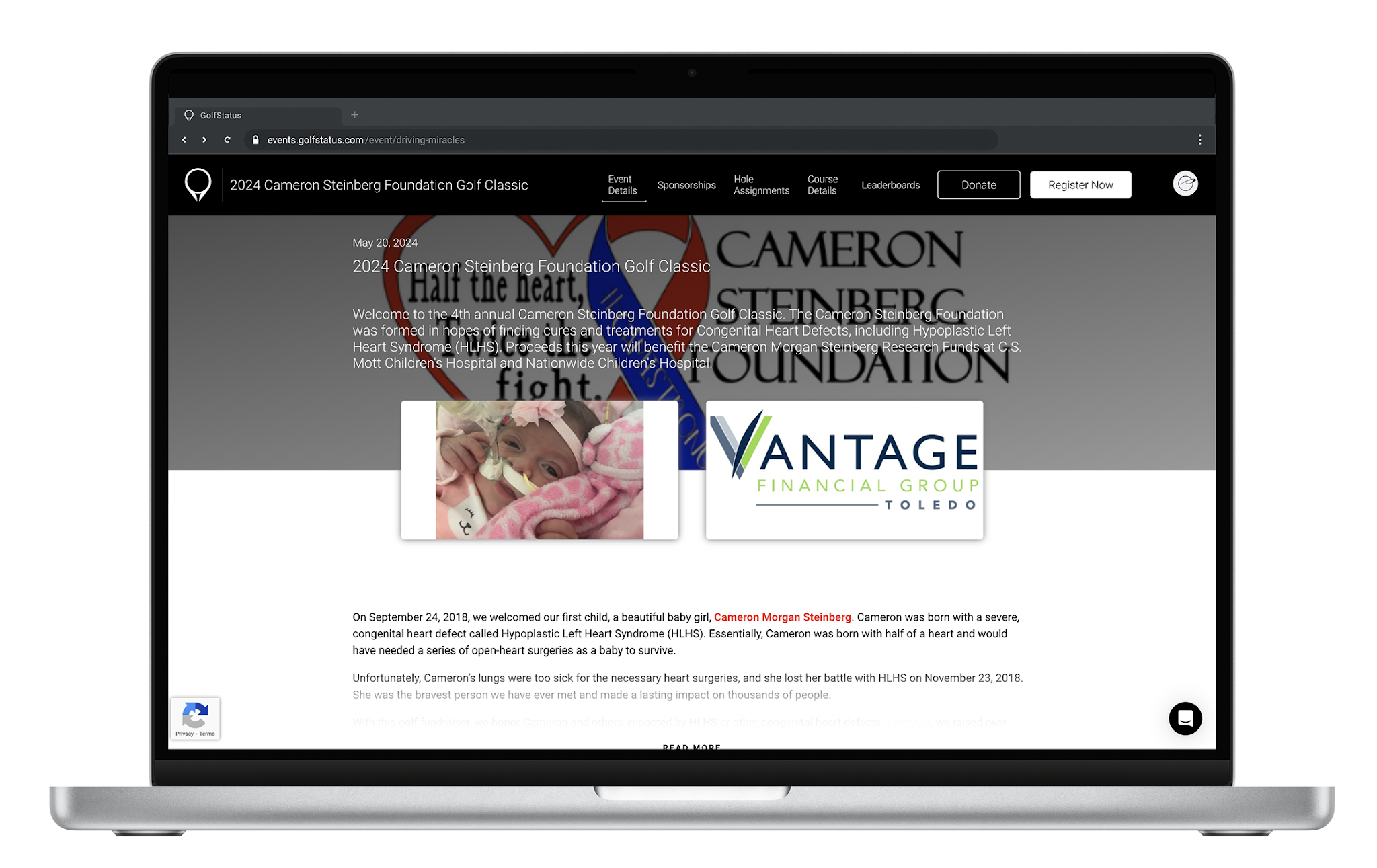
If there’s one non-negotiable for a successful golf tournament, it’s an event website. You’ll meet people where they already are—online—to share information about your tournament and what you’re raising money for in a professional manner. Share the link in all your promotional materials to drive traffic to the website where they can commit as soon as they hear about the tournament.

The Cameron Steinberg Foundation golf tournament website is displayed on a laptop.
 

2. make registration as easy as possible

Online registration is the standard for events these days, and golf tournaments are no different. It’s quick, convenient, and saves everyone—organizers and golfers alike—time and hassle. Everyone is busy, so an event site equipped with a simple registration checkout process is key to getting them on board. Be sure that the website is mobile-friendly so golfers can register right from their phones!

3. make it irresistible

It starts by understanding your target audience and what would appeal to them. Would they be interested in golfing at (and paying the corresponding registration fee) a high-end, private club? Or is a public course with a lower registration fee more appealing? Both can be a draw for golfers, depending on your supporters’ preferences. Attractive prizes, memorable add-ons, alternative or inclusive formats, and fun contests also go a long way toward getting golfers to say “yes” to your event, so highlight these throughout your promotions.

A golfer at a mini golf tournament his the ball toward the hole.
 

4. get in touch with past event participants & supporters

If yours is an existing event, start with past golfers. Invite them to come back and play in support of your mission. You might offer a special discount code or registration rate for returning players to sweeten the deal. If you’re getting a new golf event up and running, reach out to past participants in other events your nonprofit has held or participated in. Ask your loyal supporters to share the word about the upcoming golf tournament. You might provide some copy/paste verbiage or social graphics they can use on their personal channels.

5. leverage sponsors & other partners

Sponsors are a major part of your golf tournament’s success. Leverage their participation and networks to help attract players. Sponsors and businesses will often use charity golf tournaments to entertain clients, woo prospects, network, and even reward employees, so it makes sense to build a team or two into some of your sponsorship packages. Not only does this add value, but it also helps fill your tournament’s field in the process. You might also consider providing promotional assets (logos, verbiage, graphics, etc.) to your sponsors and invite them to share them on their social media platforms and with their employees.

Golfers sit at tables for dinner and to network after a charity golf tournament.
 

6. get your board & planning teams involved

Ask each member of your nonprofit’s board and tournament planning committee to think of five to 10 contacts they’ll invite to play in the event. This bite-sized request makes it easy for them to follow up and broadens your pool of potential golfers. Set them up for success with talking points or email templates to help with their outreach.

7. send promotional emails

Email marketing is a cost-effective way to cast a wide net of potential golfers. Start with a save-the-date email to last year’s golfers and sponsors and/or your nonprofit’s email list as soon as you finalize the date and course. Send strategic reminder emails at intervals leading up to the tournament date. Consider adding an early bird registration period or a registration closing date to help create urgency among potential participants and get them to commit earlier.

8. use social media effectively

Social media is another cost-effective promotional vehicle for your event. Utilize your nonprofit’s presence to drive registrations via your event website. Create a Facebook event and make your planning team co-hosts so they can invite their networks to register and widen your reach. Tap into Facebook groups—there are often groups strictly for sharing nonprofit fundraising events, golf tournaments, or community events. If you have a few dollars to spare, consider a limited paid ad campaign that targets a specific geographic area or interests. If you spend even $100, but get one or two teams to register as a result, you’ve gotten good ROI!


using social media to amplify your golf fundraiser

Download this free guide to find out how to leverage social media to make the most out of your charity golf tournament and raise the most money possible for your cause!


9. Promote it to your community

Your community likely has event boards, community calendars, or other similar avenues to promote local events. Submit your tournament to such channels, and consider reaching out to local television and radio stations with a press release or an ask to list on their website. Use community gathering spots such as grocery stores, coffee shops, libraries, community centers, gyms, churches, or other locations to post flyers (with a QR code that links to your event site) advertising your tournament. The host golf facility may be willing to post flyers in the clubhouse as well, so don’t be afraid to ask!

10. leverage your tech stack

When you use GolfStatus to host your golf tournament website and manage your event, your tournament reaches tens of thousands of avid golfers in your area who actively look for local charity tournaments to play in. Your event will be listed on events.golfstatus.com as well as on the GolfStatus mobile app, helping you reach new golfers—and potential new supporters.

A website listing golf tournaments that use GolfStatus is displayed on a laptop. A mobile device showing an golf tournament event site is next to it.
 

11. connect golfers to your cause

Be sure to help golfers understand 1. what they’re supporting by playing golf and 2. the impact of their participation on your work. Use your event website to help tell the story, and build in elements of cause connection to your tournament to help golfers get a tangible understanding—such as one team registration feeds a shelter pet for a month—of how they’re helping move your mission forward. You might use banners, signage, displays, guest speakers, beneficiary testimonials, or elements of on-course games to drive home the goals of the tournaments.


No-Risk, No-Cost Tech for Your Next Golf Event

No matter if you’re holding your first golf tournament or your twentieth, you need a golf-specific event management tool to make your life easier. GolfStatus’ robust platform is built to handle the unique needs that come with a golf event, like team pairings, hole assignments, handicaps, and more. Built-in fundraising features and exclusive revenue-boosting add-ons and sponsorships help raise more money for your cause, while automations and our industry-leading support team help save you time and effort. Best of all, nonprofits can qualify for a free event website and no-cost access to the GolfStatus platform through the Golf for Good program. Click below to learn more and get qualified!

Ready to get started?

Click here to get qualified to use GolfStatus at no cost!