
6 Trends That Will Shape Charity Golf Events in 2027
by Logan Foote, Sales and Education Director at GolfStatus
Golf fundraising continues to evolve, creating new avenues for nonprofits to bring in mission-critical funds while engaging supporters and attracting sponsors. As organizations look ahead to 2027, understanding what golfers value and how their expectations are changing can help tournament organizers make smarter decisions and build more successful events.
Golf is more popular than ever, and charity tournaments offer a unique opportunity to bring people together for a great experience for a meaningful cause. But success in the coming year will require more than simply putting a tournament on the calendar.
Here are six golf fundraising trends to keep in mind as you plan for 2027.
1. Flexibility Will Be Key to Successful Sponsorships
Corporate sponsorships remain an important source of revenue for golf fundraisers. However, sponsors want more than a logo on a banner and a sign on the tee box. They want new ways to connect with participants, showcase their businesses, and demonstrate their support for important community causes.
In 2027, tournament organizers will need to think creatively about sponsorship benefits and be willing to customize packages based on each sponsor’s goals.
What does that mean? It might mean developing an interactive on-course activation, boosting the sponsor’s digital presence at the tournament, or finding a new way to recognize a sponsor throughout the event. For example, organizers for the Putt Putt Fore Puppies Mini Golf Tournament incorporated an architecture-themed on-course game to recognize title sponsor Sinclair Hille Architects’ 45th anniversary.
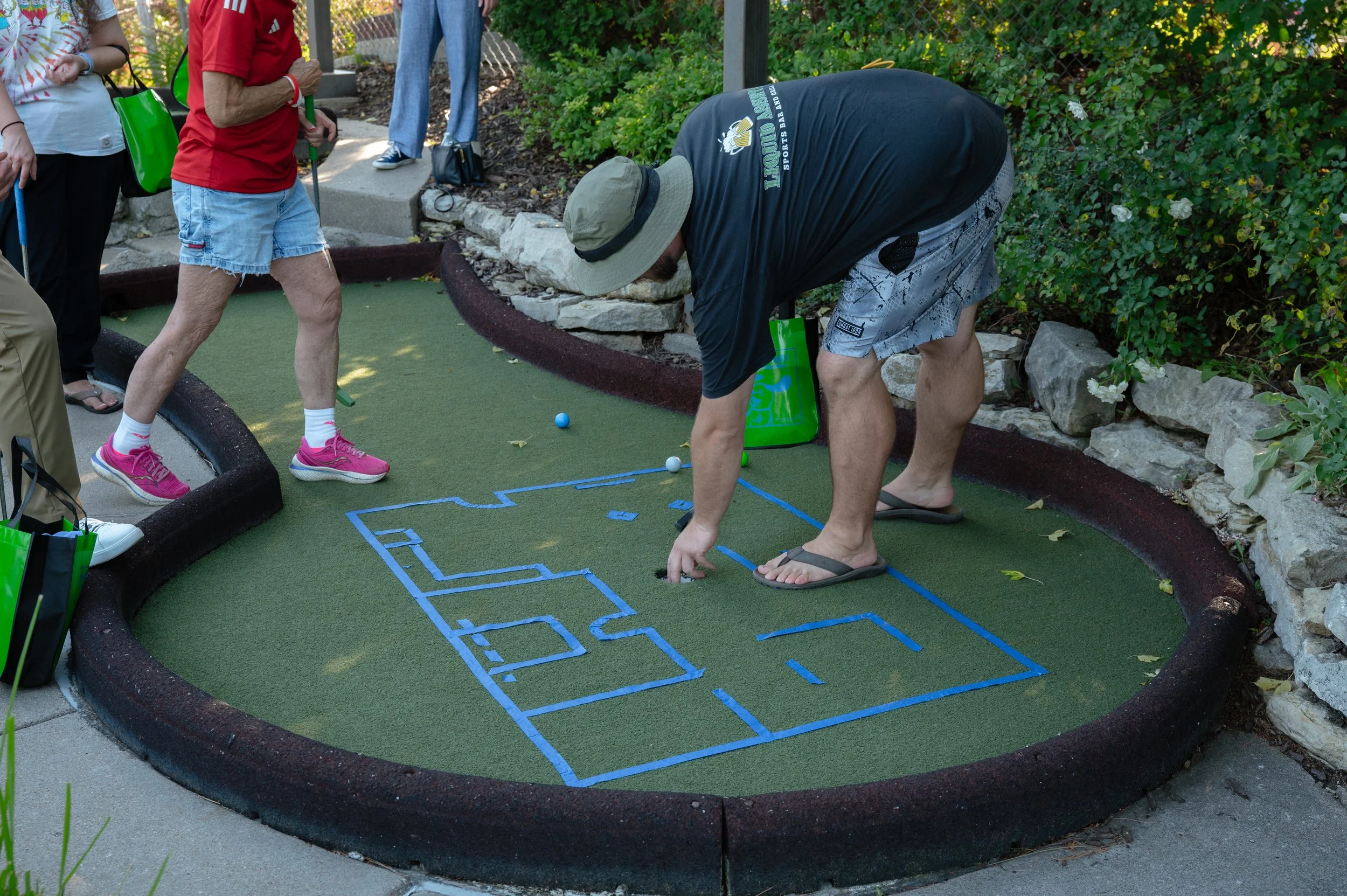
The “Build It or Bust” on-course game was created specifically to recognize the 45th anniversary of Putt Putt Fore Puppies’ title sponsor, Sinclair Hille Architects.
Key Takeaway
Don’t assume every sponsor wants the same benefits. An on-course game might appeal to one sponsor, but not fit with another’s business priorities. Ask questions, understand what they’re hoping to accomplish, and look for ways to create value beyond traditional recognition.
2. The Cause Will Be Just as Important As the Game
Golfers participate in charity tournaments for many reasons. Yes, they enjoy the game and the social atmosphere, but the mission behind the event is just as—if not more—important.
In a survey of more than 130,000 GolfStatus app users and avid golfers, participants emphasized the importance of using golf to support causes they believe in. In fact, 62% of respondents indicated the benefiting nonprofit or charity was the most important factor when considering playing in a charity golf tournament.
One respondent shared:
“The cause that the charity supports is very important to me. If it is a cause that I can get behind, I will find a way to support that charity.”
Another highlighted the opportunity golf tournaments present to discover new organizations making a difference in their community:
“There have been several tournaments I’ve been invited to where I was not familiar with the organization that it benefited. Getting to see how many great causes there are that many people don’t know about in their own community makes the world a better place.”
These perspectives reinforce an important point: A charity golf tournament is truly more than a day on the course. It’s a chance to introduce people to your mission, build awareness, and connect potential supporters with your organization.
Key Takeaway
Make your mission a visible part of the experience. Share stories, communicate who benefits, and help golfers understand the difference their participation makes. Golfers who feel connected to your cause are generally more likely to become repeat participants and long-term supporters.
3. Online Registration Will Be the Standard for Golf Events’
Convenience is no longer a bonus—it’s an expectation.
Today’s golfers are accustomed to registering for events and managing transactions online. They don’t want to print a registration form or handwrite their information, write a check, and mail everything back just to participate in a tournament.
In fact, 100% of respondents in the golfer survey said they prefer to register for a tournament online.
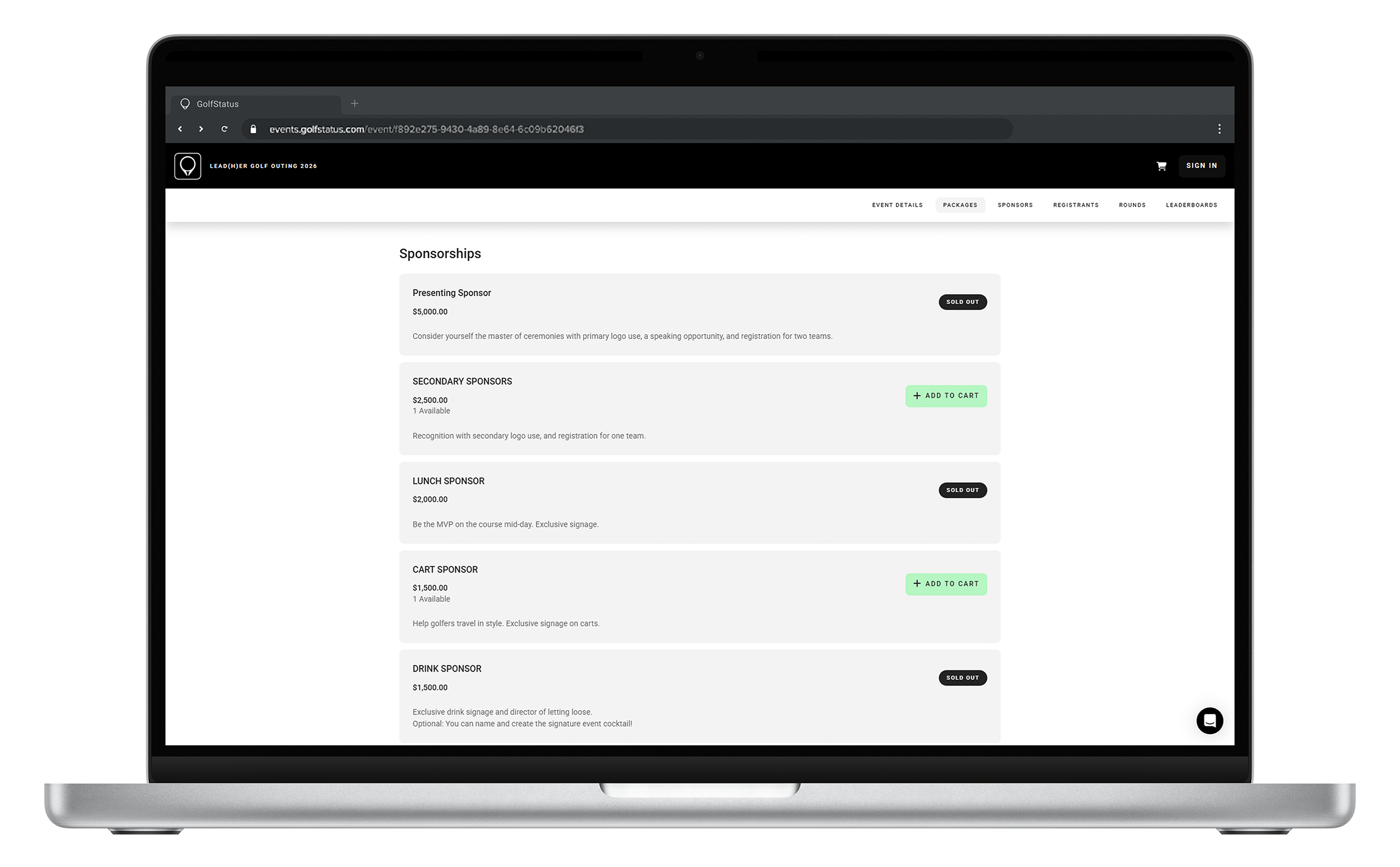
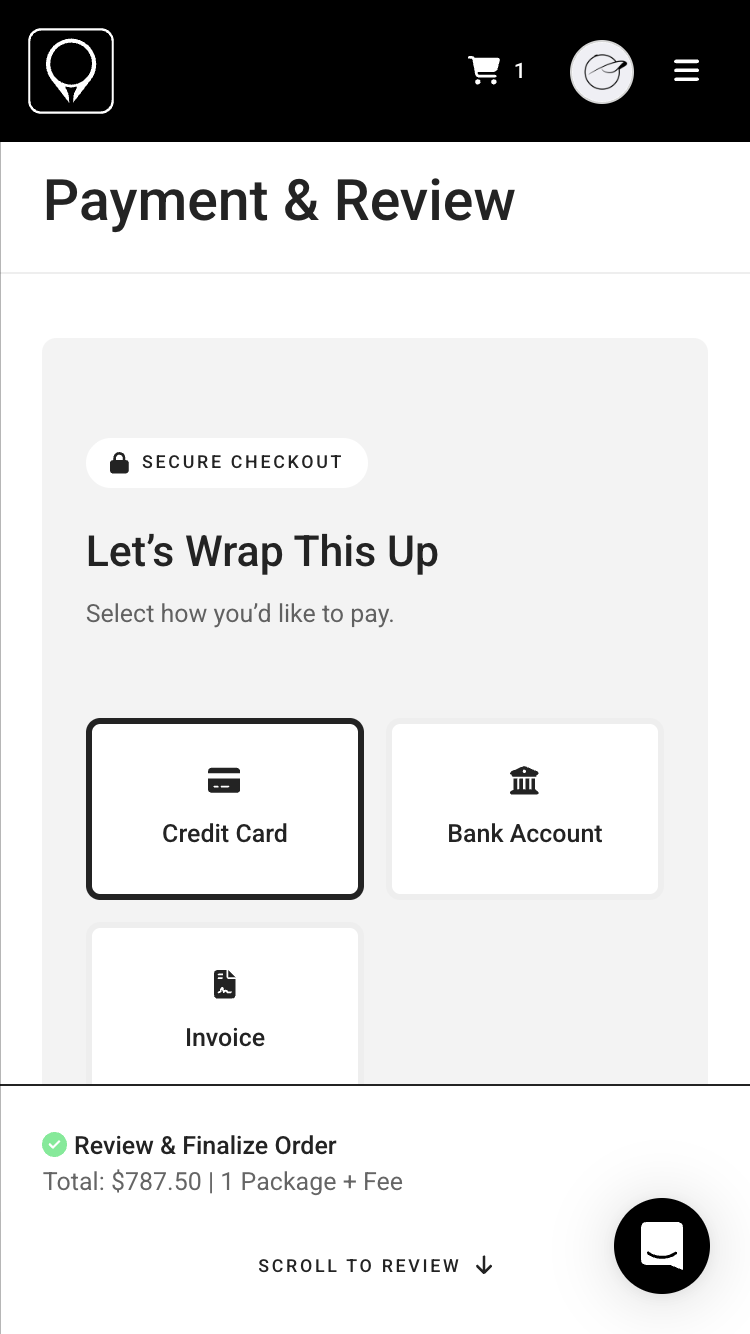
Online registration and payments make the process easier and more convenient for participants—both golfers and sponsors—while significantly reducing the administrative work for planning teams. Golfers can sign up when it works for them, purchase add-ons like mulligans or raffle tickets, and complete payments without exchanging a single piece of paper.
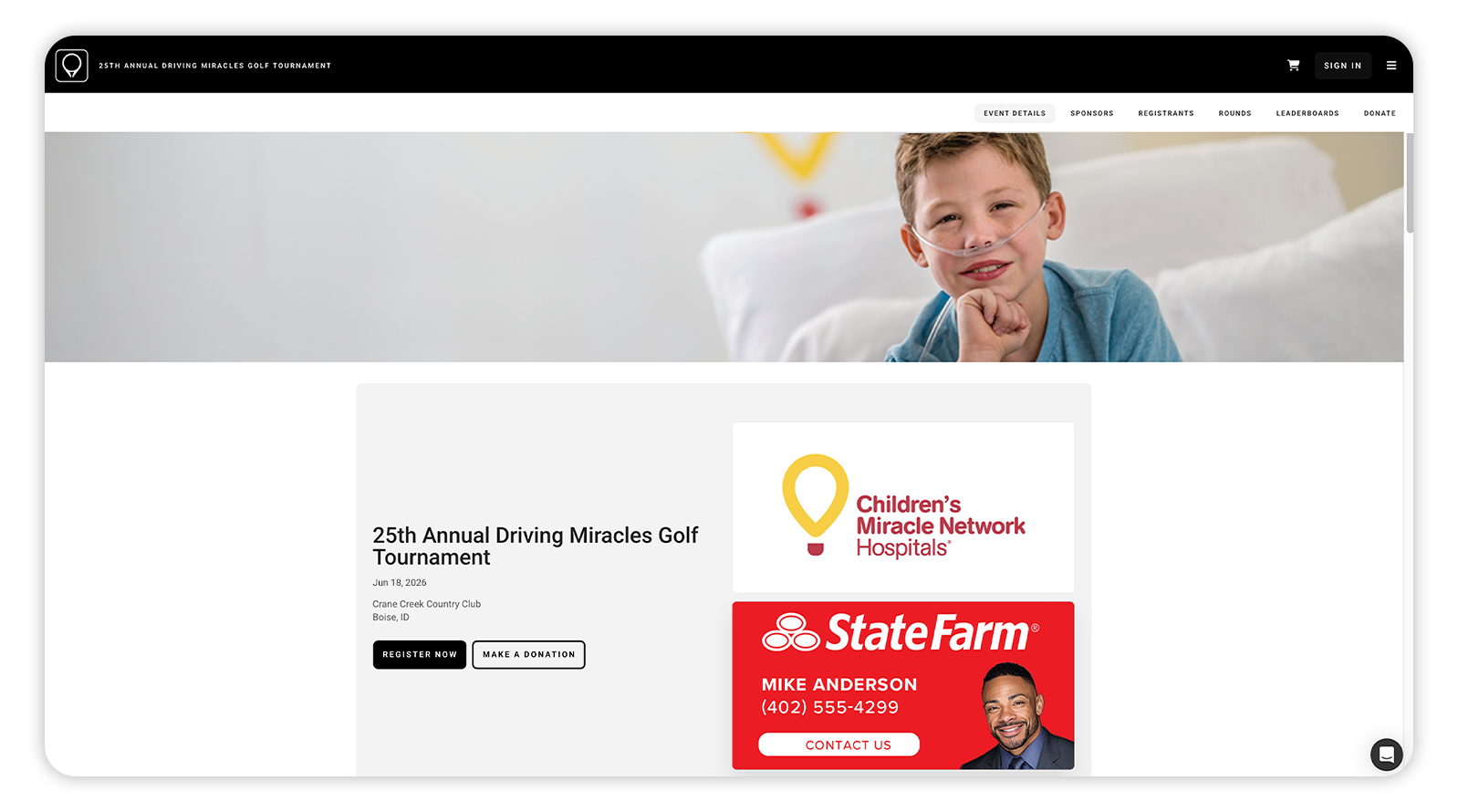
Making online registration possible starts with an event website. A dedicated website gives people one place to find event information, explore sponsorship options, register teams, make donations, and share the event with their networks. Plus, they’ll receive a confirmation and receipt without your team needing to do a thing.
Key Takeaway
If your tournament is still relying on manual registration and payment processes—paper forms, emails, checks, Venmos, individually sending receipts—2027 is a prime time to make the switch. Your golfers will thank you!
4. A Strong Online Presence Will Help Attract More Golfers
Having an event website is one thing, but making sure people can find it is another.
As online registration becomes the preferred way to sign up for tournaments, your digital presence will play an increasingly important role in attracting participants and sponsors. Even the best website can’t do much good if potential golfers can’t find it.
Search engine optimization (SEO) can help improve your event’s visibility when people search for charity golf tournaments, fundraising events, or organizations in their area.
A few ways to strengthen your online presence include:
Use a custom domain. A memorable web address makes your event easier to find and share. Incorporate your tournament name, but keep it concise. For example, opt for a shortened URL like “puttputtforepuppies.com” instead of the full event name, like “puttputtforepuppiesminigolftournamentbenefitingcapitalhumanesociety.com.”
Use relevant keywords. Use phrases potential participants might search for in your event website’s headings and content.
Provide complete event information. Include the tournament date, location, registration details, sponsorship options, and information about the benefiting organization.
Make sharing easy and encouraged. Invite sponsors, participants, supporters, and volunteers to share your event website link through their own digital channels.
Key Takeaway
Think of your event website as more than a registration form. It’s a marketing tool that can introduce your tournament to new audiences and turn online visitors and interest into registrations and donations.
5. The Golfer Experience Will Matter More Than Ever
A worthy cause may get someone to register for your tournament, but the overall experience is what can bring them back year after year.
Golfers want events that are organized, enjoyable, and respectful of their time. They appreciate good communication, a smooth check-in process, a reasonable pace of play, and opportunities to connect with the cause they’re supporting.
One survey respondent summed it up particularly well:
“Charity golf tournaments are most successful when they balance a great golf experience with a meaningful connection to the cause. As a participant, I appreciate events that are well-organized, respectful of players’ time, and clearly communicate how proceeds will make an impact. Strong volunteer support, good pace of play, and opportunities to engage with the mission help create an experience that keeps people coming back year after year.”
That balance is important. And while fundraising should always be a priority, organizers shouldn’t lose sight of the fact that participants are there to enjoy themselves, too.
Sometimes, it’s the little extras that make an event memorable. Another survey respondent noted:
“Tee gifts, raffles, meals and other prizes can make charity golf more attractive to me. I am always happy to support a worthy cause financially, but I appreciate a little value (and fun) for my charitable donation.”
Key Takeaway
Consider the entire participant experience as you plan your 2027 tournament. From registration through awards, look for opportunities to make things easier, add a little fun, say thank you, and create meaningful connections to your mission.

Fundraising is definitely important, but remember that golfers are also playing in your tournament to have a good time, so focus on giving them a great experience.|
6. Golf’s Popularity Is Good News for Fundraisers
Here’s one trend organizers can feel especially good about: Golf isn’t going anywhere.
According to the National Golf Foundation (NGF), 2026 has been a record-setting year for golf participation in the United States. The game reached new highs across several categories:
30.8 million on-course golfers played at traditional green grass golf facilities, surpassing the previous record of 30.6 million set in 2003.
38.6 million off-course participants enjoyed golf entertainment venues, simulators, and other formats, the highest since NGF began tracking it in 2014.
49.5 million total golfers participated in on- or off-course golf activities.
The game is becoming increasingly diverse, with 8.9 million women and girls, 8.7 million Black, Asian and Hispanic golfers, and 4.5 million juniors all played on course, all-time highs in each group. The game is also attracting new and returning players. In 2026, approximately 7 million beginners and returning golfers entered the game.
And golf’s influence extends beyond those who actually play. Nearly 141 million Americans age six and older played, watched, read about, or followed golf in 2026—representing approximately 45% of the U.S. population.
For nonprofits, these numbers represent a significant opportunity. Golf tournaments can reach a broad audience of potential participants, sponsors, and supporters, including people who may not consider themselves avid golfers but enjoy the social and charitable aspects of the game.
As one survey respondent put it:
“Golf is always a good time, turning it into a charity event makes it more rewarding and fun.”
Key Takeaway
Golf’s combination of recreation, connection, and philanthropy makes it a compelling fundraising vehicle. With participation reaching all-time highs and the game reaching an increasingly diverse audience, there’s plenty of reason for nonprofits to feel optimistic about the future of golf fundraising.
Put These Golf Fundraising Trends Into Action
The trends shaping golf fundraising in 2027 point to a few common themes:
Convenience
Creativity
Connection
Experience
Organizers who embrace these priorities will be better positioned to attract golfers, strengthen sponsor relationships, and raise more money for their mission. Managing registrations, coordinating sponsors, communicating with golfers, and keeping everything organized takes time. The right technology makes a difference.
GolfStatus provides tournament organizers with an event management platform built specifically for charity golf events. From free event websites and online registration to sponsorship management, donations, and golfer communications, plus golf-specific tools like pairings, flighting, and live scoring, GolfStatus helps simplify tournament planning while creating a better experience for everyone involved. With no upfront cost to get started, organizations can focus their resources on raising money and making an impact.
As you look ahead to 2027, consider which of these trends could create new possibilities for your organization. A few thoughtful changes to your strategy could make a meaningful difference in your 2027 tournament.