
10 Mission Moments to Add to Your Charity Golf Tournament
Most people register for a charity golf tournament because someone invited them to play. They may know someone who has a connection to your organization, but don’t know a thing about your mission or work.
Tournament day is the first meaningful interaction many participants have with your organization, presenting a huge opportunity for nonprofits to raise awareness and connect with potential donors. Thoughtfully planned mission moments help transform a fun day on the course into an experience with purpose.
Mission moments don’t have to be lengthy presentations or emotional speeches. They can be small, intentional touchpoints that remind golfers why they’re there and how they’re making a difference. While they’ll certainly remember the golf, food, contests, and prizes, they’ll also remember how the day made them feel. Mission moments create stronger emotional connections, inspire generosity, and even help turn first-time participants into long-term supporters.
Here are 10 mission moments to incorporate into your next charity golf tournament.
1. Let Your Mission Shine on Your Event Website
Your golf tournament’s website often serves as a golfer’s first introduction to your organization, so don’t make it all about registration. Instead of just listing the event’s details, answer the question every participant is asking: What difference will my registration make?
Use the site to introduce your mission with compelling photos, videos, impact statistics, and beneficiary stories. Help visitors understand what you do, who you serve, why your work matters, and what tournament proceeds will do. Even a short impact video or photo gallery can create an emotional connection before golfers ever arrive at the golf course.
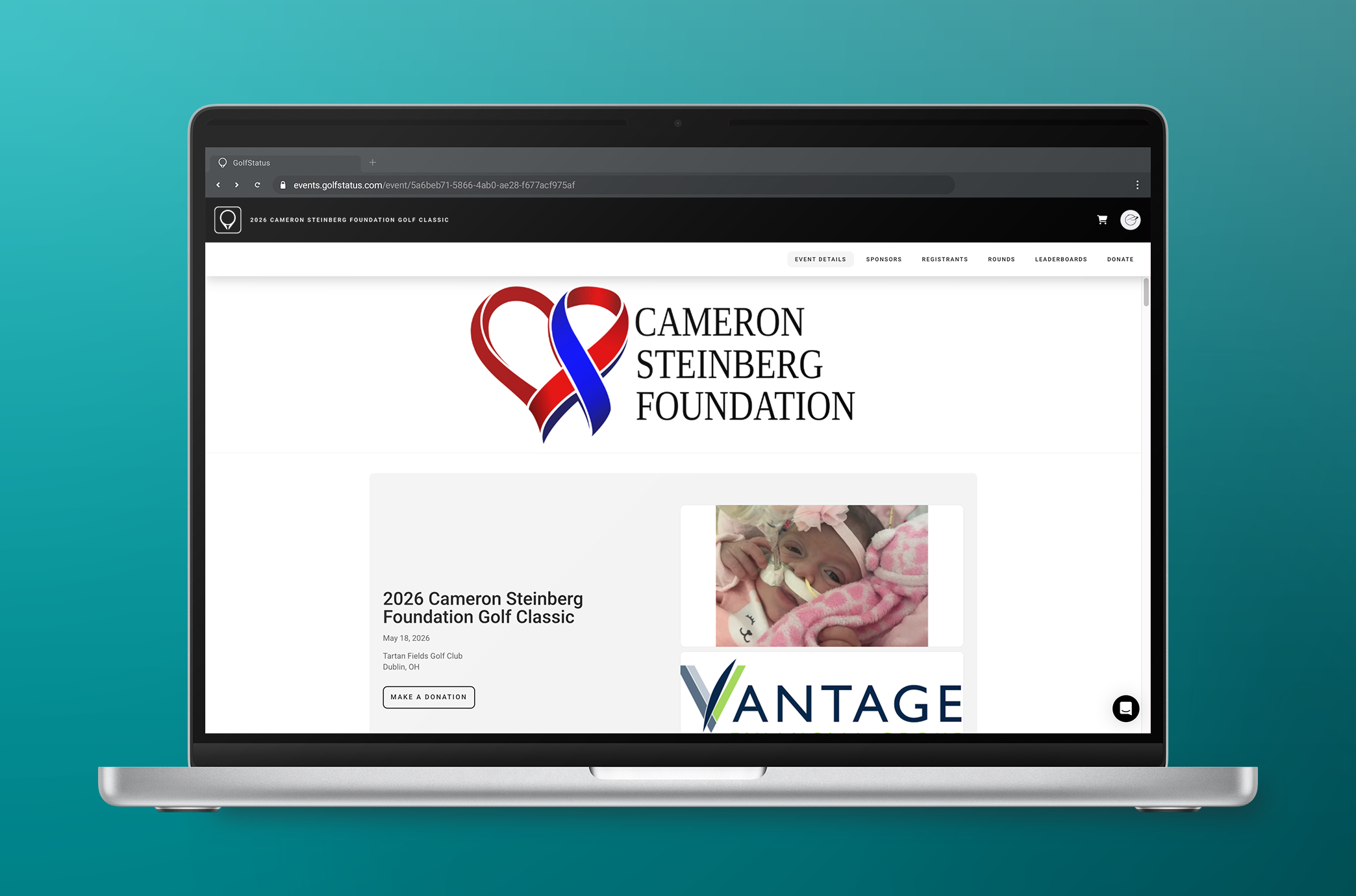
Your event website is often the first interaction a new supporter has with your organization, so help them understand what your tournament is raising money for.
2. Open the Tournament with an Impact Story
Few mission moments are as memorable as hearing directly from someone whose life has been changed by your organization. Invite a beneficiary, volunteer, family member, client, or community partner to share a brief story during the welcome remarks. Alternatively, or in addition, invite a speaker to share their story at the luncheon, awards ceremony, or banquet.
For example, Riverside Ranch, a therapeutic horse riding program, invites parents of riders to speak at their golf tournament’s luncheon and share what the Ranch meant to their family.
Personal stories like this help golfers connect faces to fundraising dollars, and remind participants that the event is about much more than birdies and mulligans. Keep it conversational and authentic rather than overly scripted, and aim for five minutes or less—long enough to inspire, but short enough to keep the energy high.
3. Put Your Mission on Display on the Course
The golf course itself offers dozens of opportunities to reinforce your mission. Place mission-focused signage in high-traffic areas like registration, driving range, putting green, and inside the clubhouse (near the bar or front door are good choices). Share:
Impact statistics
Success stories
Photos of the people or communities you serve
Quotes or testimonials from beneficiaries
Milestones your organization has achieved
Rather than using every sign for sponsorship recognition, dedicate a few to reminding golfers what they’re helping make possible. Add QR codes that link to your event website’s donation page, volunteer opportunities, or a short impact video as a call to action.
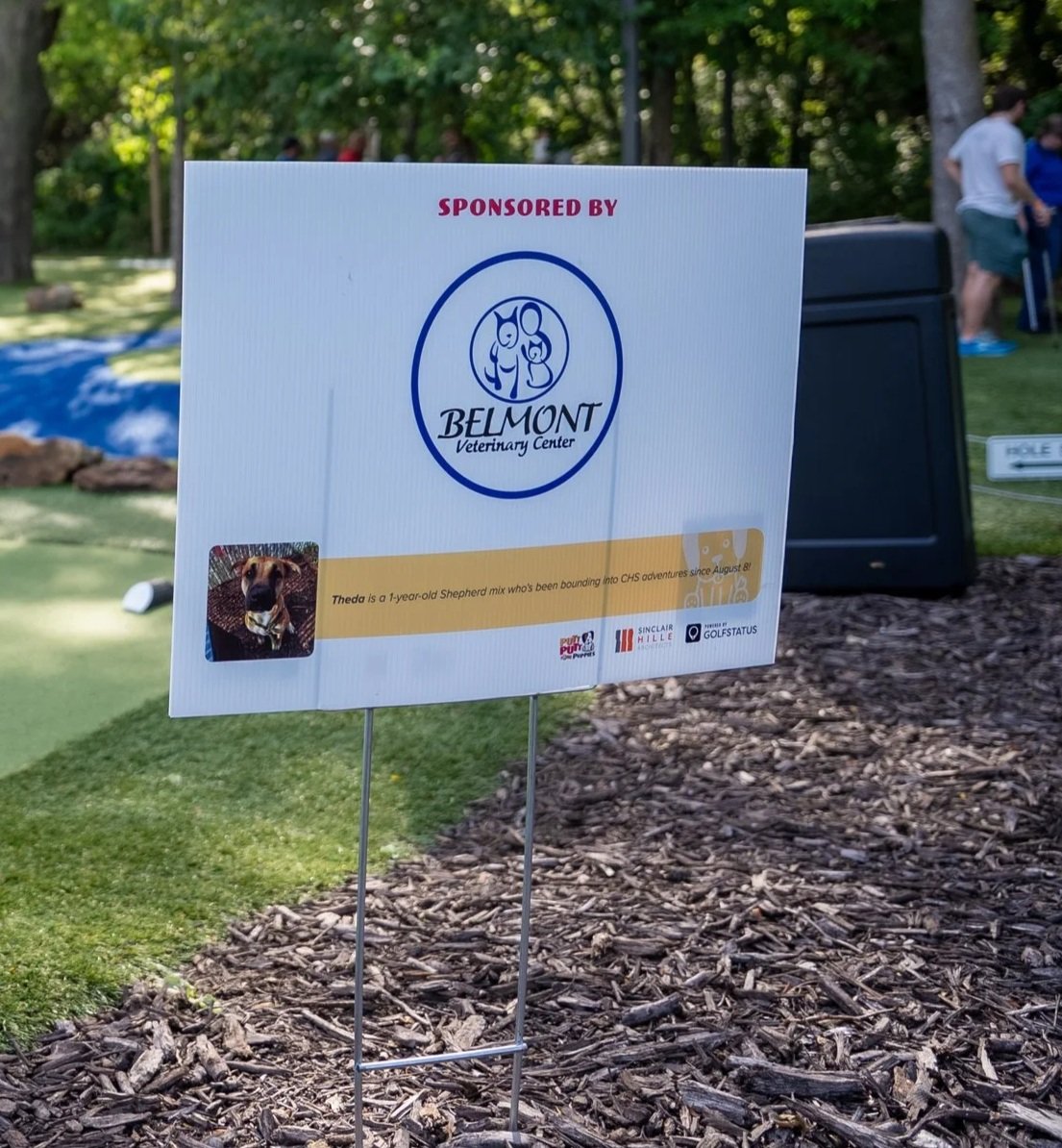
Putt Putt Fore Puppies adds information about adoptable pets to its hole signs to add a connection to the event’s mission and beneficiary.
4. Include a Mission-Focused Gift Bag Item
Player gift bags don’t have to be filled exclusively with sponsor swag. Include one meaningful piece in swag bags or on golf carts that tells your organization’s story. This could be anything from a one-page flyer or brochure with photos and outcomes to an annual report summary or beneficiary success story. If your golf facility has carts with video capabilities, inquire about showing a video or photo slideshow on the screens.
The goal isn’t to overwhelm golfers with information, but to provide a memorable takeaway they can read during downtime or take home after the event. Be sure to include a QR code on any printed materials with a direct link to the donation page of your event website, where golfers can donate right from their phones.
5. Introduce Golfers to the People Behind the Mission
Whenever possible and appropriate, invite the people connected to your mission to participate in the event. Personal connections are incredibly powerful, so provide opportunities for them to engage with golfers and sponsors throughout the day.
For example, if your golf tournament benefits a school, teachers, or administrators could greet golfers as they arrive or even be added to teams. A pet rescue organization could have adoptable pets at the golf course and hold an accompanying adoption drive. Or, your nonprofit’s staff members could run an on-course game or contest to interact with golfers throughout the round.
These types of simple interactions often leave lasting impressions and create authentic conversations that no brochure can replicate.
6. Make Downtime Meaningful
Every golf tournament includes natural pauses and waiting—to check in, on the tee box, for a turn on the driving range, for meals, or for final results to be announced. Rather than viewing these as empty moments, use them to deepen engagement with a captive audience.
Ask your organization’s staff, board members, beneficiaries, or volunteers to mingle with golfers and chat about your mission while they wait.
Strategically station people on various tee boxes throughout the golf course (perhaps on a par five that typically gets backed up) to talk with golfers and answer questions.
Display a looping impact video in the clubhouse that golfers can watch while they wait for a drink or dinner.
Intersperse photo displays that showcase your programs throughout the year among silent auction items or raffle prizes.
These quieter moments during the golf event can lead to meaningful conversations that build new and lasting donor relationships.
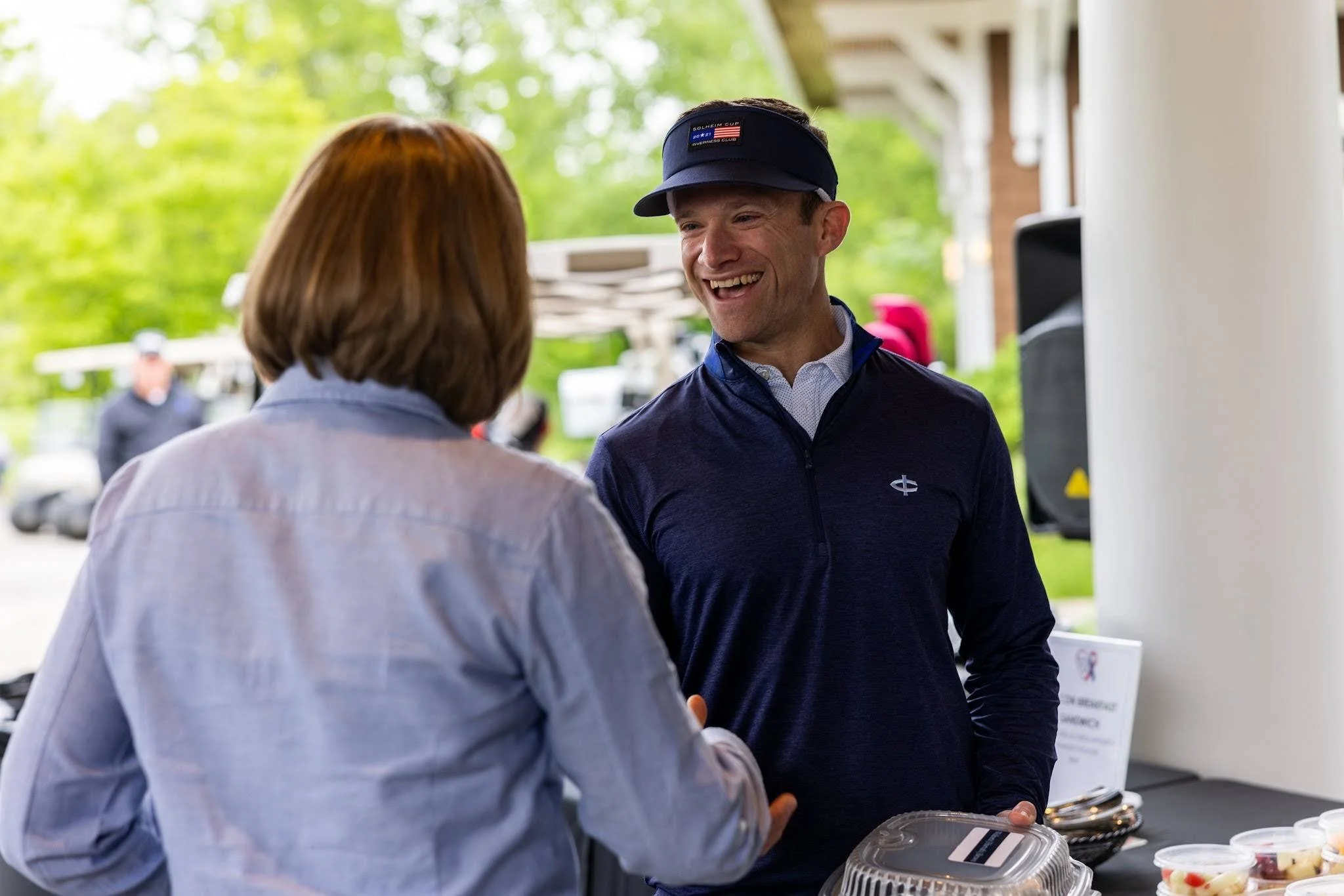
Ask staff, board members, beneficiaries, or volunteers to interact with golfers during the golf tournament’s downtime. Chat about your mission, invite them to ask questions, and share stories while they wait.
7. Create an Interactive Mission Experience
Whenever possible and practical, give golfers the chance to experience or see your mission in action instead of simply hearing about it. Interactive experiences create memorable moments that drive home what your organization does and why you do it. These experiences are also good opportunities to involve non-golfers in the event.
Some examples:
An animal rescue hosts an adoption event alongside the golf tournament.
A food bank organizes a mini-meal packing activity before play.
A nonprofit arts organization showcases artwork created by local artists or teaches a painting class.
A corporate tournament hosts a blanket-tying activity for non-golfers and guests during the round.
8. Share Digital Mission Moments Throughout the Day
If your golf tournament management platform includes a mobile app, use push notifications to share timely mission moments throughout the event. These notifications should be brief, positive, action-oriented, and strategically timed not to interrupt the golfer’s experience. For instance:
“So far, we’ve raised enough money to provide 500 meals to local families.”
“Meet today’s featured beneficiary, Name, during lunch!”
“Help us get to our goal to raise $25,000—we only need $5,000 more! Donate here.”
“Adoptable pets are in the clubhouse! Meet your new family member after your round.”
Include a link back to your event website, particularly if the message includes a call to action to donate.
9. Honor the People Behind the Cause
Many charity golf tournaments exist because someone wanted to honor a loved one, celebrate survivors, or remember an individual whose story inspired the event. Connect golfers to your mission by creating a dedicated space that recognizes those people.
Display photos, handwritten notes, memorial boards, or tribute signs that explain why the tournament matters. Invite participants to write messages of encouragement or remembrance. These types of displays become natural gathering places and often spark meaningful conversations among golfers who may have personal connections to your cause.
For instance, the Pat Neal Memorial Golf Tournament raises money for brain cancer research in honor of the tournament’s namesake, Pat Neal. A photo of Pat was placed on the course, and golfers were encouraged to sign the photo as a keepsake for Pat’s family. Another example is Project Purple, which includes a hall of fame induction at the tournament’s post-round dinner as a special moment of honor and recognition for individuals who have battled pancreatic cancer. Inductees or their families receive a purple jacket, and their picture hangs in the organization’s offices as a reminder of their fight against the disease.
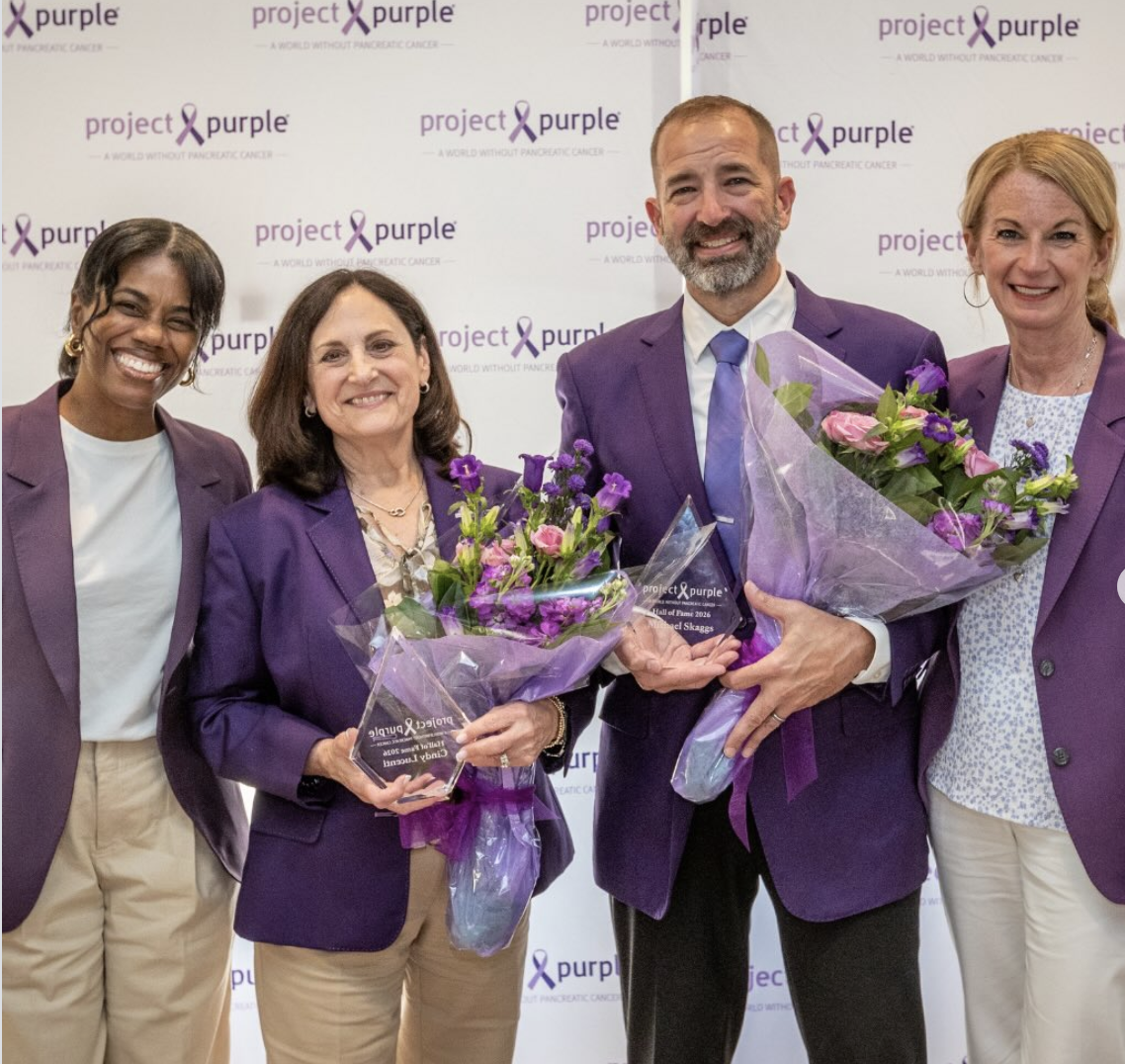
Project Purple includes a hall of fame induction its golf fundraiser’s banquet to honor individuals who have battled pancreatic cancer.
10. End with a Clear Call to Continue the Mission
The end of the tournament is just the beginning of your relationship with participants. Before they leave, provide them with easy next steps to stay involved and support your mission:
Set up a donation station where golfers can make a gift before they walk out the door
Offer the chance to volunteer at an upcoming event or other opportunity
Have a pop-up shop that sells branded merchandise or products
Share links to sign up for your newsletter and follow you on social media
Offer an early-bird rate for golfers to register for next year’s golf tournament
Missions moments are the most effective when they don’t simply inspire people, but encourage action while enthusiasm is still high.
Final Thoughts
Creating memorable mission moments doesn’t make your tournament longer or more complicated. Effective moments intentionally weave your organization’s impact throughout the participant experience.
Technology makes this easier than ever. Your event website, mobile app, signage, online donation tools, email communications, and fundraising platform all work together to help tell your story before, during, and after tournament day.
Golfers that understand the impact of the tournament are more likely to become repeat players, loyal donors, enthusiastic volunteers, and passionate advocates for your organization. The golf tournament may only last a day, but the relationships it creates can help support your mission for years to come.